
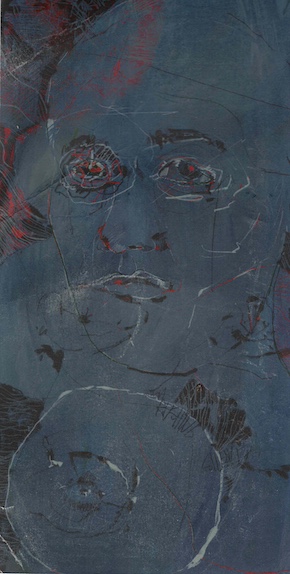
 The latest Happenstancers gig, which took place at 918 Bathurst on Thursday evening, was an exploration of the death of Ophelia and related ideas with works for assorted chamber ensembles plus/minus voices. Ten composers; all of whom could at a stretch be considered “contemporary”, were featured in a programme that, with interval, lasted two and three quarter hours. That’s a feat of stamina for performers and audience alike as none of the music performed was “easy” and no notes or introductions were provided.
Each half of the programme started off with a piece by Linda Catlin Smith, who was in the audience. Stare at the River for piano, string bass, trumpet, clarinet, violin and percussion was quite sparse and open textured while The River was more obviously lyrical with guitar, cello and Danika Lorèn replacing piano, trumpet and bass.
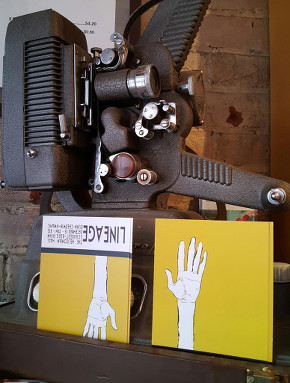 Lineage, performed last night at the Heliconian Club, is the latest show from Adanya Dunn, Brad Cherwin and Alice Hwang who brought us
 operaramblings