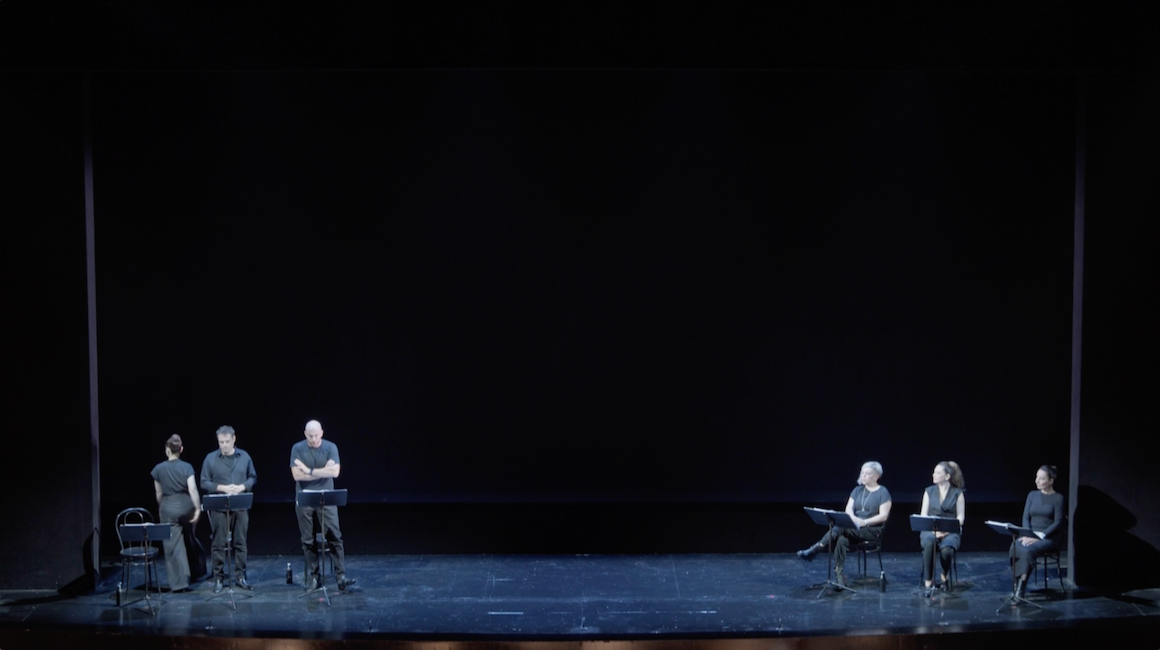
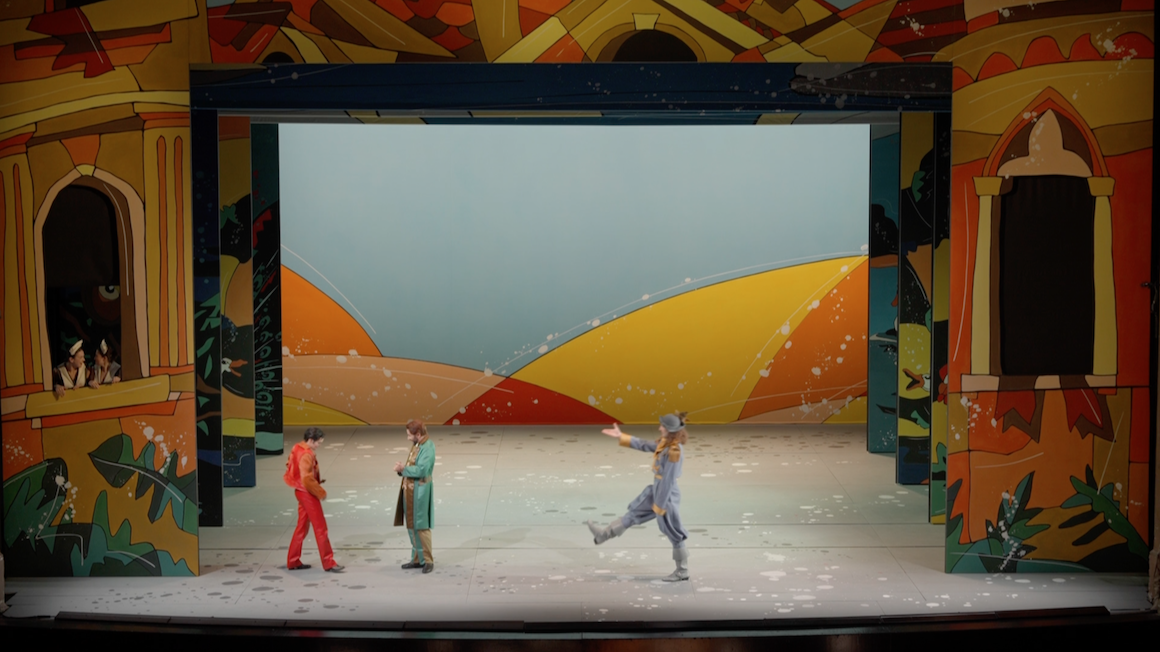
Alessandro Scarlatti wrote at least sixty operas but only one of the extant ones is a comedy; Il Trionfo dell’Onore which premiered in Naples in 1718. Cunningly Scarlatti insisted on an Italian, rather than Neapolitan, libretto so it soon got productions further north. It’s a piece of its time. It had only just become allowable to produce operas that weren’t based on classical myth or history. Even Cavalli’s most tongue in cheek works like Il Giasone had roots in the classics! But here we have an opera whose characters are quite ordinary though clearly based on the typical types of the commedia dell’arte.
Tag Archives: pe
Il Bajazet
Vivaldi’s pasticcio Il Bajazet was composed for carnival season 1635. It sets an earlier libretto by Agostino Piovene concerning the defeat and capture of the Ottoman sultan Bajazet (Bayezid I) by the Tartar leader Tamerlano (Timur) in 1403. Tamerlano is contracted to marry the Princess of Trebizond, Irene, but falls for Bajazet’s daughter Asteria to the consternation of his Greek ally Andronico who is in love with Asteria. Various plot twists and turns happen before Bajazet poisons himself, Tamerlano marries Irene after all and Asteria returns to Andronico. Andronico also has a sidekick Idaspe.
Virtue not blood
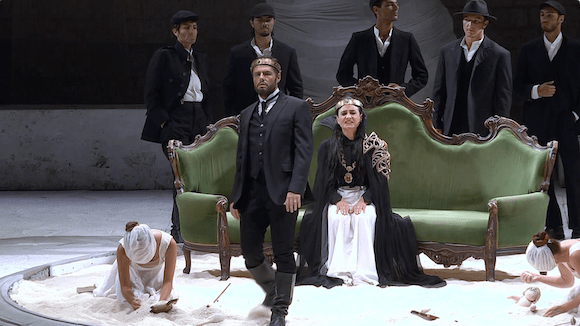
Scarlatti’s Griselda is based on a story from the Decameron. Gualtiero, king of Sicily, has married Griselda, a shepherdess. The people are upset that the king has married beneath him and are getting stroppy. Gualtiero sets out to prove Griselda a worthy consort by testing her constancy. He repudiates Griselda and sends her back to shepherding while arranging to marry an Apulian princess Constanza, who both he and Corrado, duke of Apulia, know to be his daughter by Griselda. It’s complicated by one Ottone who is infatuated by Griselda and Roberto, son of Corrado, who is in love with Costanza, who returns his feelings. Griselda is put through various humiliating trials in which she repeatedly shows her devotion to Gualtiero. Eventually the people recognise her virtue and all is restored. One notable thing, unlike his predecessor Cavalli, Scarlatti doesn’t inject any incongruous or comic passages into the opera. It’s all deadpan serious.