Mascagni’s Cavalleria Rusticana and Leoncavallo’s Pagliacci are not only a commonly coupled pair of operas but pretty much define the genre we call verismo. It’s a curious genre in a lot of ways. Musically it defines a style, brought to its highest state by Puccini, that is a sort of Fukuyama-esque “end of opera” after which everything is, for a section of the opera audience, modern, inaccessible and frightening. It’s also dramatically an attempt to get away from stories from myth and history and root the drama in “stories of everyday folk”. Which is fine, I suppose, if one believes the only things “everyday folk” care about are female constancy and the more pagan end of Catholicism for these stories tend to be a touch unsubtle; “she done him wrong so he killed her” (and her dog and he probably crashed her truck too). It’s actually quite ironic that Puccini, held up as the arch exponent of verismo, rarely actually goes down this path. Il Tabarro perhaps, maybe Suor Angelica, at a stretch Tosca but in large part his material is drawn from the usual well of opera plots. So Cav and Pag is interesting as almost pure verismo.

Continue reading →

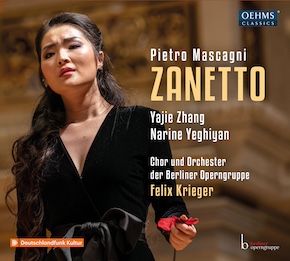 Pietro Mascagni is really remembered for only one opera; the one act Cavalleria Rusticana, which was sufficiently successful for its composer to be considered for a while a probable successor to Puccini as the next “great Italian opera composer”. That didn’t happen of course and the only other of his works to get even occasional stagings are L’amico Fritz. and Iris though he wrote a total of fifteen. Now there’s a recording of his one act opera Zanetto which was made at a live, semi-staged performance in Berlin in June 2022. Continue reading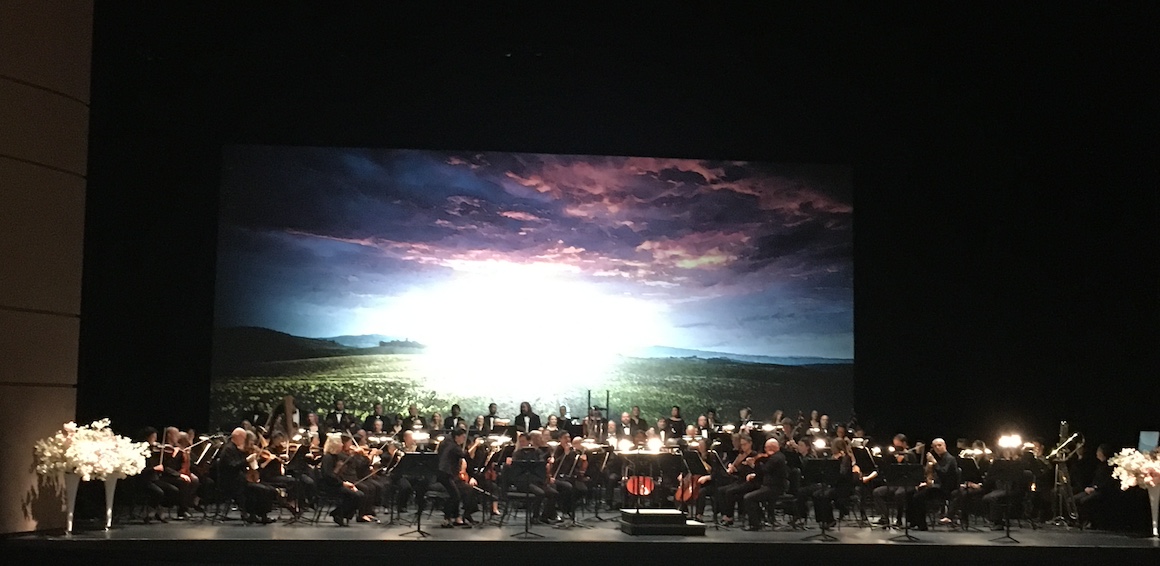


 I don’t spend a lot of time listening to disks of opera arias. I’s music I much prefer live and in context but right now a dose of good old fashioned verismo tenoring is very welcome! Piotr Beczala’s new CD Vincerò absolutely delivers it. There’s a reason this guy (normally) spends his time commuting between Vienna, Zurich, Salzburg and New York with the odd side trip to Bayreuth. He’s the real deal. There’s power to burn allied to control and proper ringing high notes. His diction is excellent too. There are no unnecessary histrionics, just top class delivery.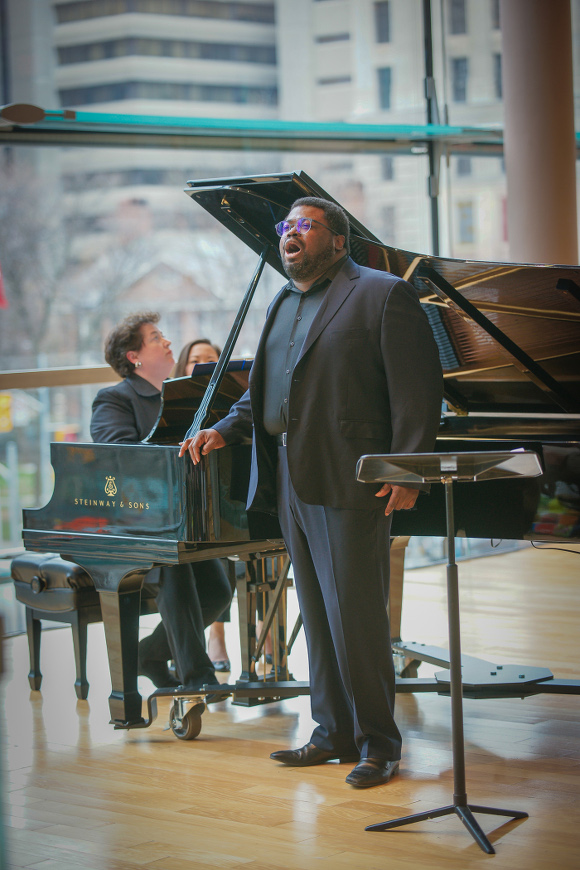
 operaramblings