 Last night’s event in the Star Talks series at the Toronto Reference Library involved Richard Ouzounian interviewing Ben Heppner who is in town to sing the title role in Peter Grimes. It was a very genial interview; no tough questions about elitism or whether opera was dying. Rather it was very much the tale of the kid from Dawson Creek who beats Renee Fleming and Susan Graham in the Met auditions and becomes a superstar. It was curiously like Desert Island Discs without the music.
There were a couple of interesting stories. The best concerned Heppner and Richard Jones’ production of Lohengrin (available on DVD/Blu-ray with Jonas Kaufmann in the title role). It’s the one where Lohengrin and Elsa build a house then Lohengrin burns it down. Well it turns out the the three year old Ben Heppner managed to burn the family home down and during the dress of Lohengrin had a pretty strong repressed memory reaction at the point where he had to set the cradle alight. It says a lot for his professionalism that the first night went off without incident.
I did get to ask him for his views on different kinds of tenor singing the role of Grimes. After all it was created for one of the most ethereal operatic tenors ever but ids frequently sung today by full on heldentors. He said he didn’t think the voice was as important as how fully the singer inhabited the character and singled out Philip Langridge in that regard. I have to agree with him. I love Langridge’s Grimes. It’s a real pity the video recording of it is so awful.
Peter Grimes runs for seven performances at the COC starting October 5th.

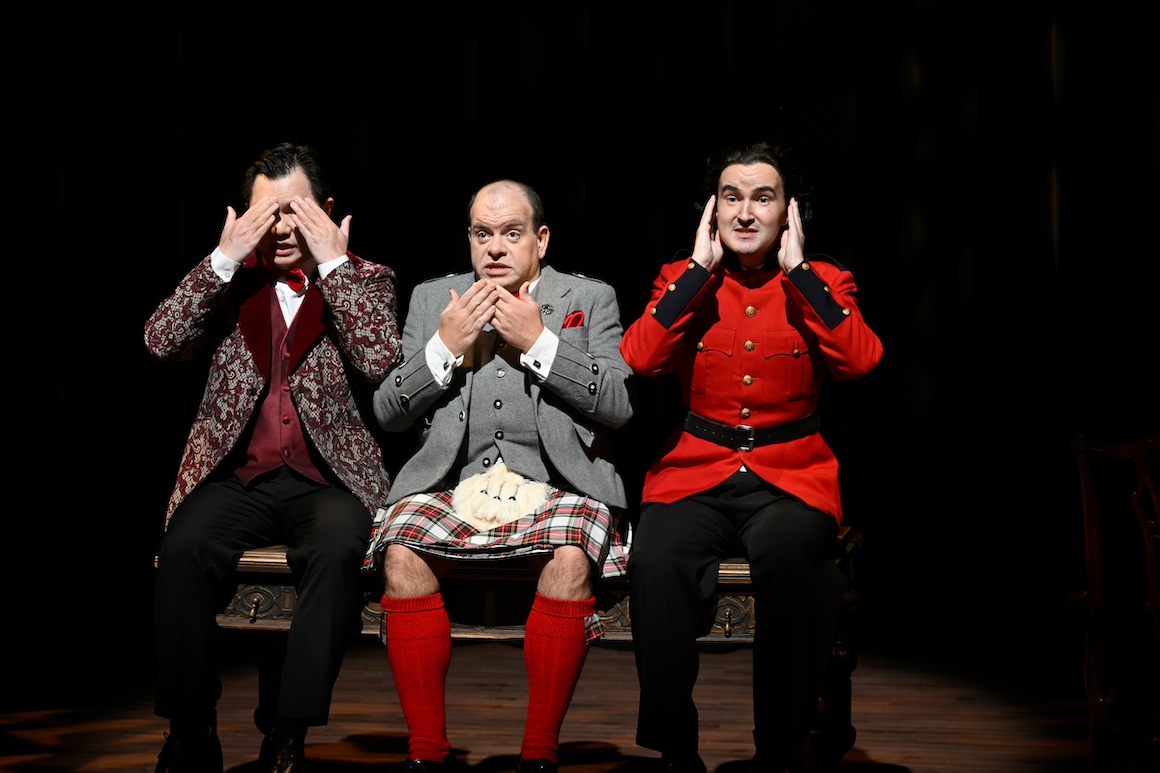
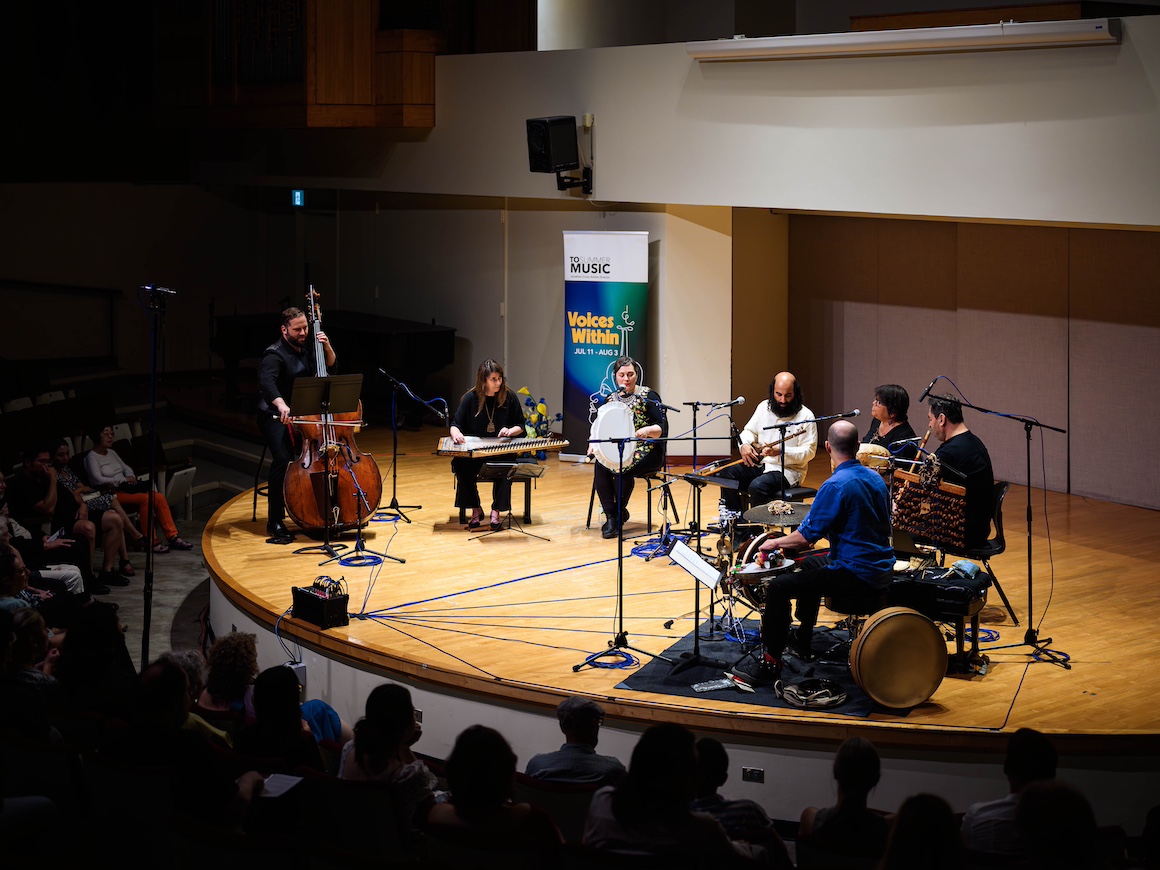

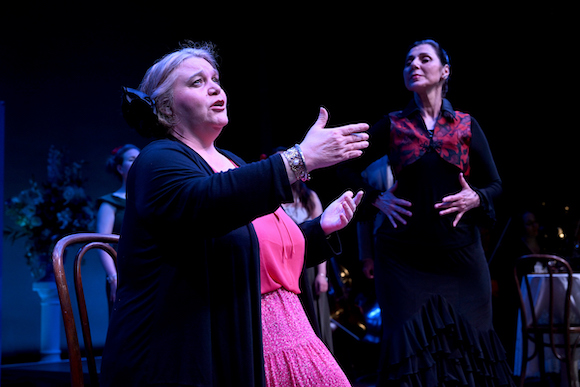

 Oddly enough, what Toronto Operetta Theatre does best is operetta and the production of Romberg’s The Student Prince that opened yesterday afternoon is a pretty good example of why. I suppose, technically, that it’s a Broadway musical but everything about it, down to the humour and sentimentality seems Teutonic enough. Anyway, there’s a solid trio in the lead roles, the key back ups are thoroughly professional and the minor roles and chorus are filled out by talented and enthusiastic young singers. The band is big enough to cover all the colours of the score and the staging is appropriate and not overly ambitious. The piece gets to do its tuneful, rather bittersweet thing.
 Yesterday I went to a Met “live in HD” broadcast for the first time since The Nose two years ago. It was an interesting and ultimately rather depressing experience. This review really falls into two parts; a review of the production and performance, including how it was filmed for broadcast, and a piece on how the Met is “presenting” the work and how that seems to fit in with its overall HD strategy. The latter may turn into a bit of a rant.
 operaramblings