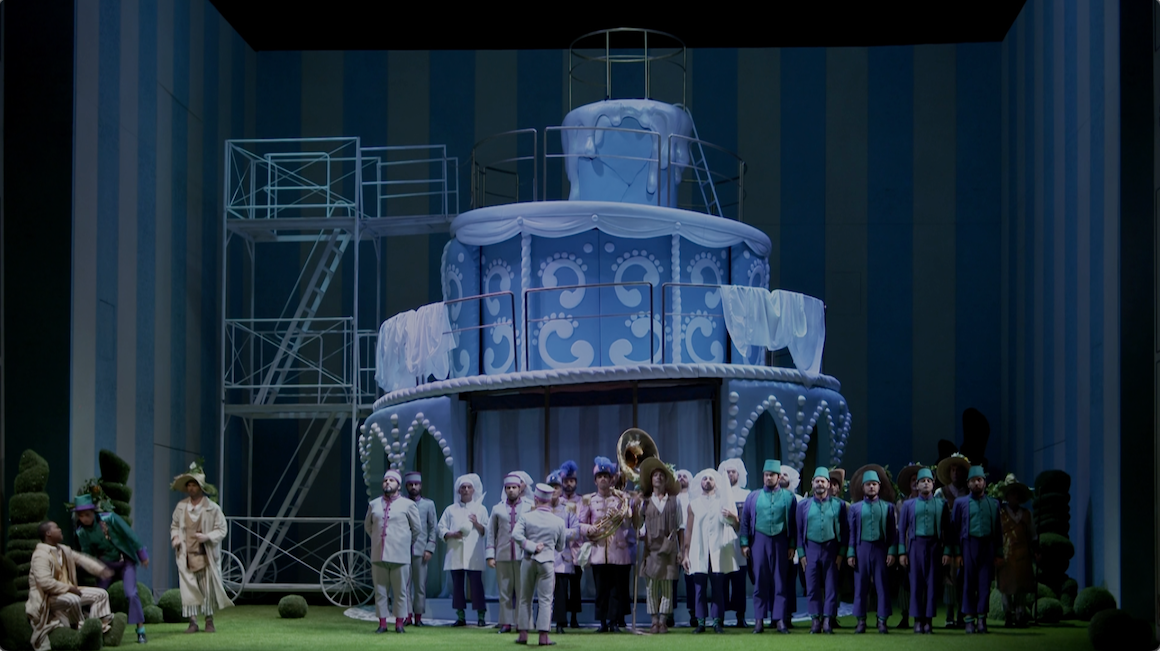
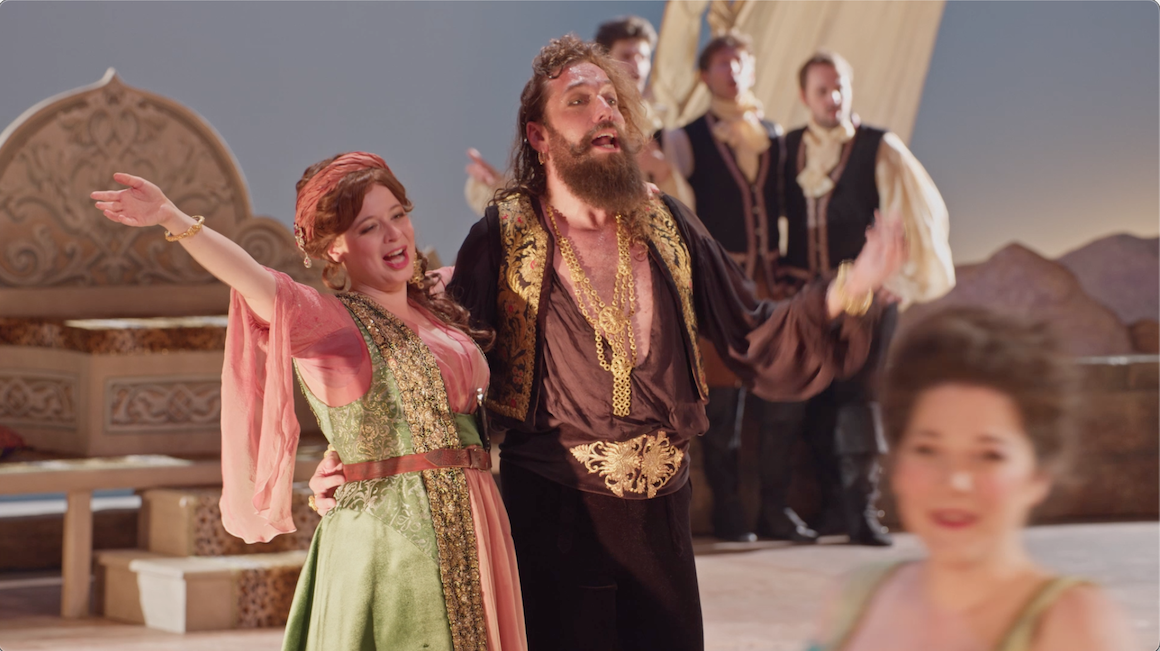
Rossini’s Adina was written in 18i8; two years after Barber of Seville, but wasn’t premiered until 1826 in Lisbon, after which it pretty much disappeared. It’s a bit difficult to see why it fell out of favour, unless it’s because at 90 minutes or so it was considered too short, because it’s a pretty classic Rossini comedy with a silly but amusing plot and enjoyably frothy music.
Tag Archives: blu-ray
Greyscale Macbeth
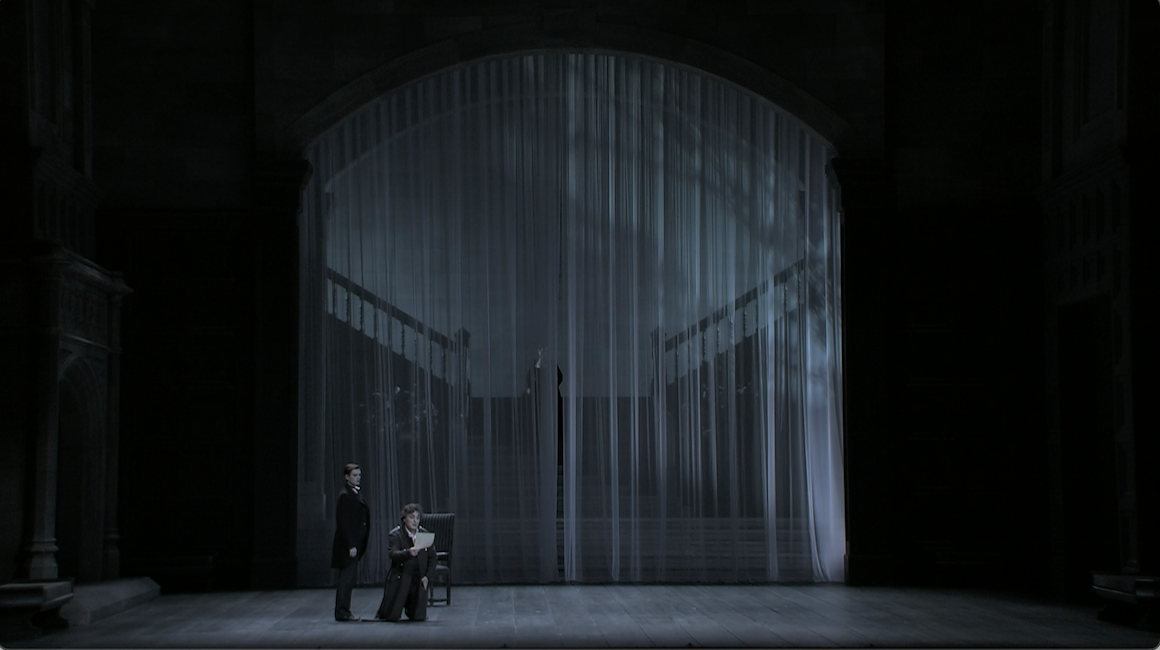
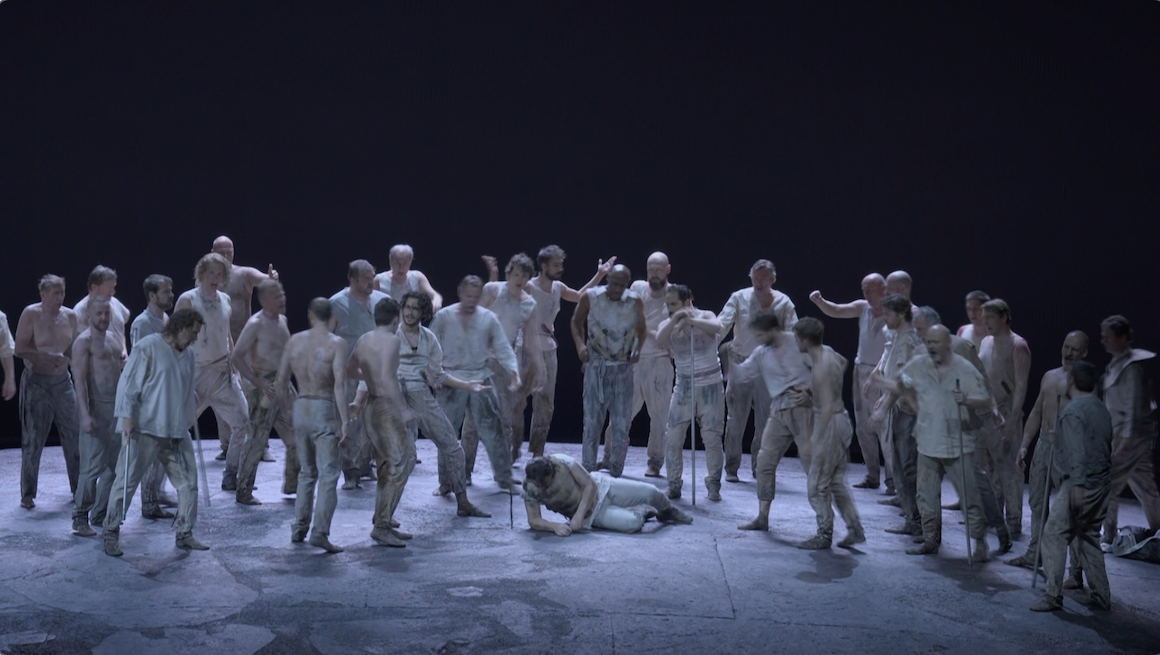
Christof Loy’s production of Verdi’s Macbeth filmed at the Liceu in Barcelona in 2016 is grey, very grey. Costumes and lighting are such that one might think one is watching a black and white film. The first, brief, touch of colour; some lights and bunches of flowers appears at the beginning of Act 4. Beyond the greyness the vibe is essentially late 19th century and it’s pretty sparse. It’s also very dark; at times almost unwatchably so on video (even Blu-ray).
Il Bajazet
Vivaldi’s pasticcio Il Bajazet was composed for carnival season 1635. It sets an earlier libretto by Agostino Piovene concerning the defeat and capture of the Ottoman sultan Bajazet (Bayezid I) by the Tartar leader Tamerlano (Timur) in 1403. Tamerlano is contracted to marry the Princess of Trebizond, Irene, but falls for Bajazet’s daughter Asteria to the consternation of his Greek ally Andronico who is in love with Asteria. Various plot twists and turns happen before Bajazet poisons himself, Tamerlano marries Irene after all and Asteria returns to Andronico. Andronico also has a sidekick Idaspe.
Giulietta e Romeo
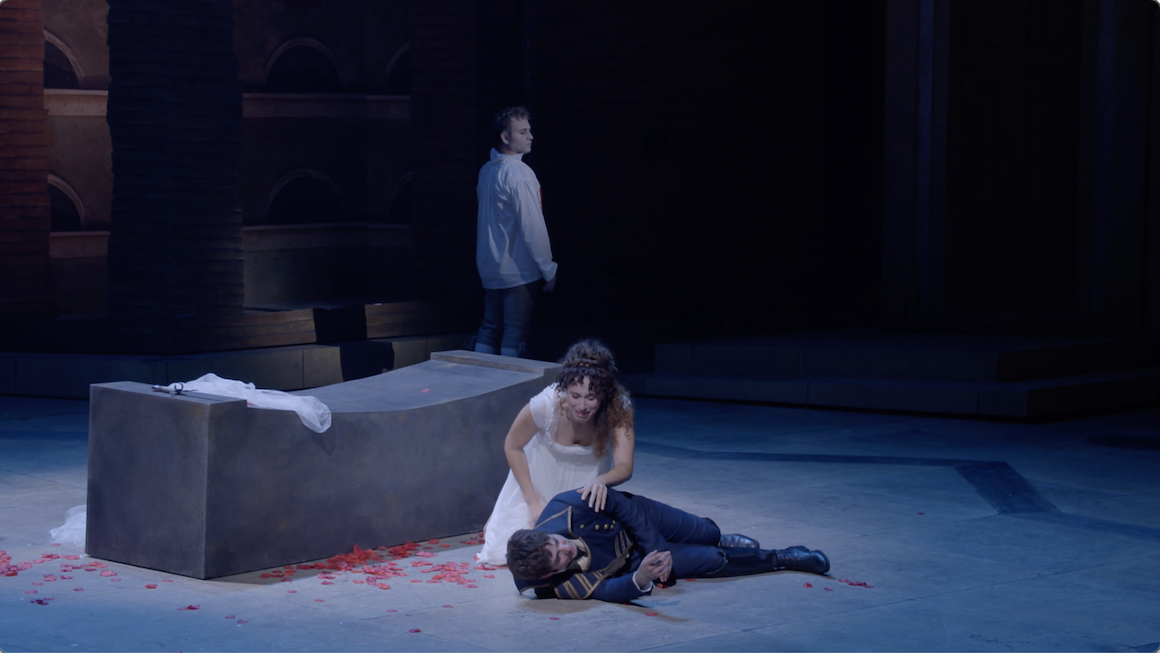
My review of the Chateau de Versailles Spectacle video recording (Blu-ray/DVD) of Zingarelli’s Giulietta e Romeo is now up at Opera Canada.
Minimalist Onegin
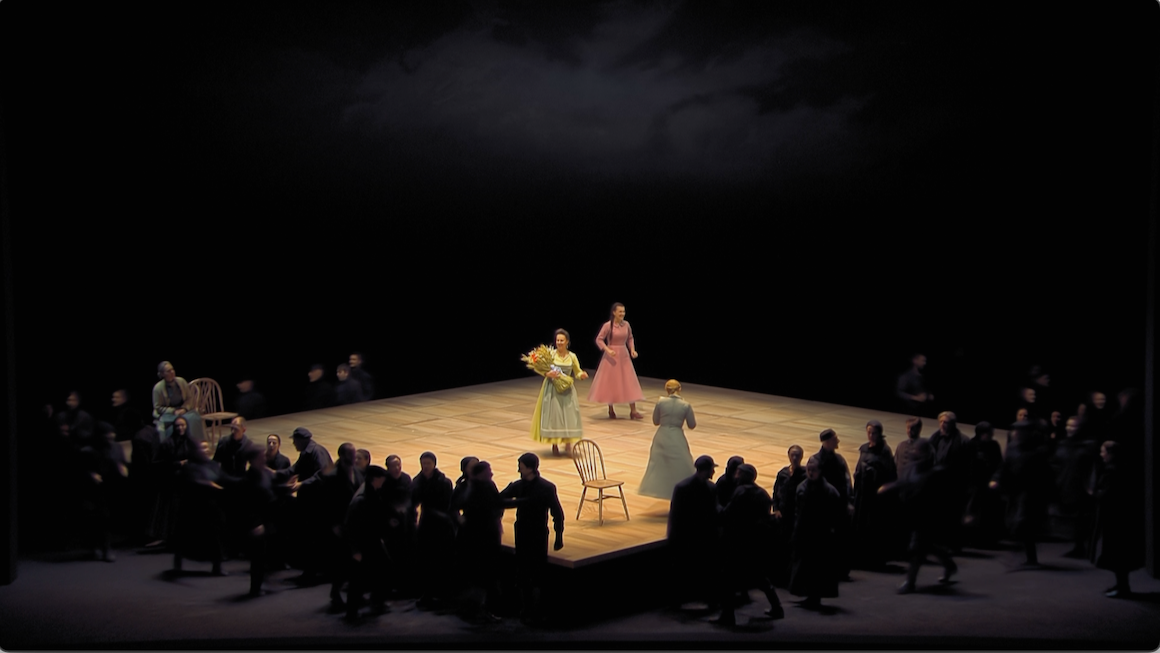
Laurent Pelly’s production of Tchaikovsky’s Eugene Onegin was recorded for video at La Monnaie – De Munt in 2023. It’s a severely minimalist production set somewhere, around 1900 or so. I say somewhere because there’s nothing very Russian about it. It could be any country gentry and peasants scenario followed by a society ball. There are no uniforms in sight. Even Gremin wears ordinary evening clothes, albeit with orders and medals.
La caravane du Caire
My review of the Versailles video recording (DVD/Blu-ray) of André Grétry’s La caravane du Caire is now available at Opera Canada.

An operatic triptych
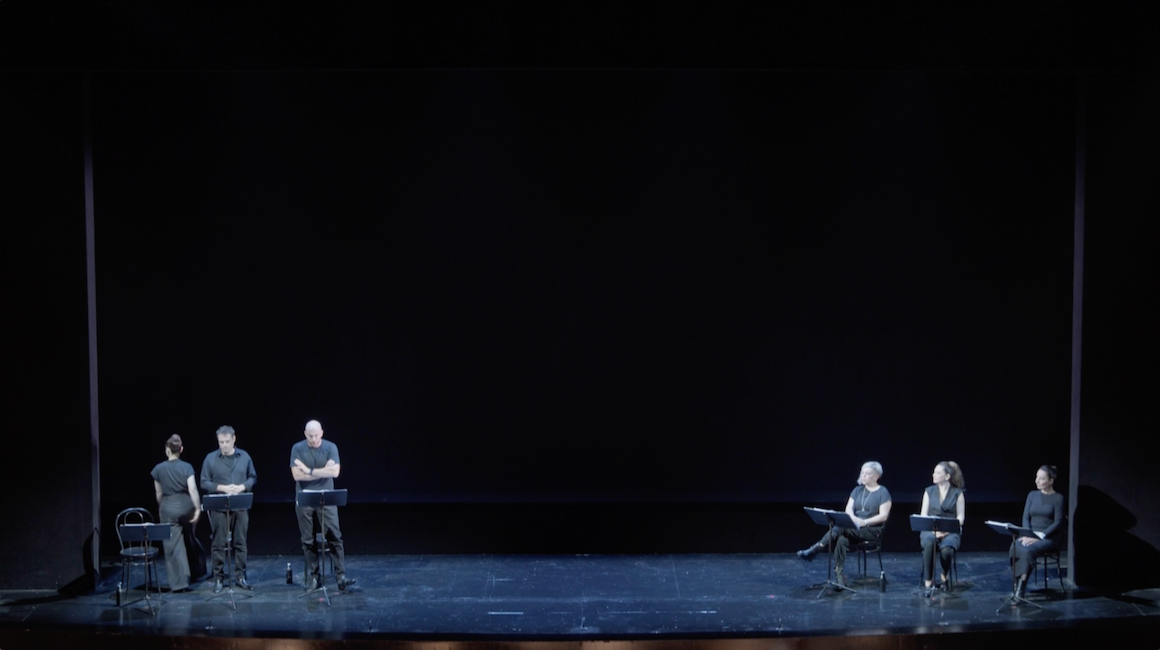
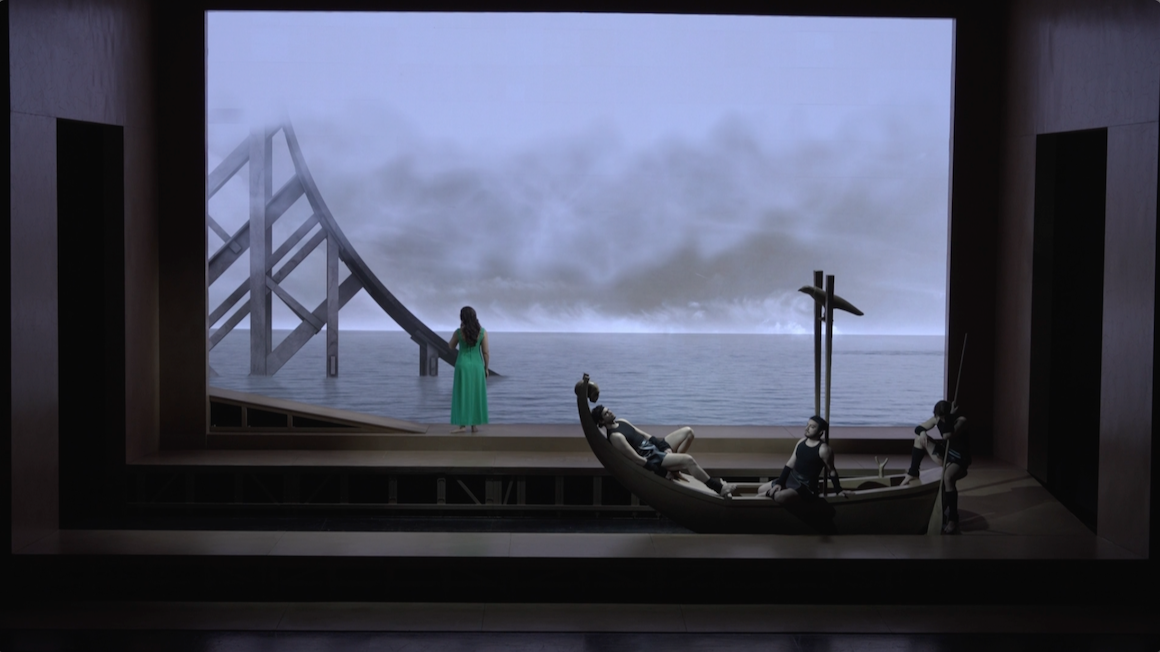
Resphigi’s 1931 work Maria Egiziaca was originally conceived as a concert work but very early on it became more common to perform it fully staged. That’s how it’s presented in a production earlier this year from Venice’s Teatro La Fenice though it actually took place in the smaller Teatro Maliban. It’s quite a short work; a little over an hour, and as the composer’s description of it as a “symphonic triptych” suggests it takes place in three scenes.

Butterfly by the book
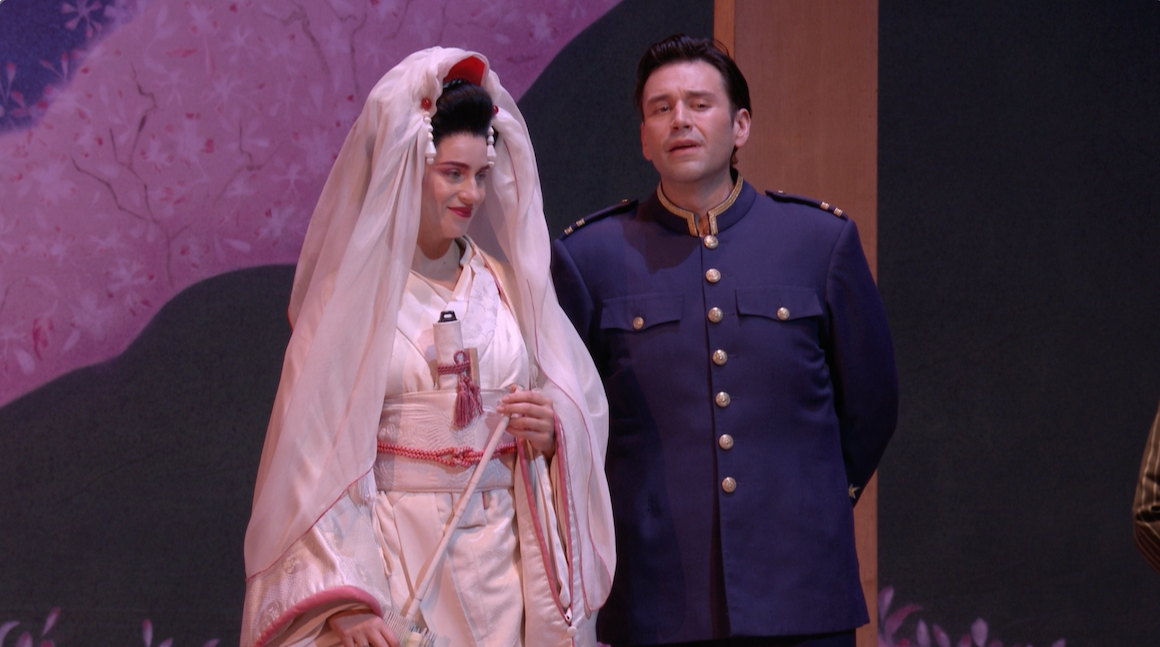
The production of Puccini’s Madama Butterfly recorded at Covent Garden earlier this year is a remount of the 2003 production by Moshe Leiser and Patrice Caurier directed this time by Daisy Evans. It’s about as conventional as a Butterfly production can be. There’s the odd bit of visual interest like a shedding cherry tree in the finale but mostly it’s standard operatic Japanese bar, perhaps, the cut and colour of Pinkerton’s suit in Act 3.

Brutally stark Ernani
Verdi’s Ernani is set in the reign of Charles V of Spain just before he becomes Holy Roman Emperor (1519), not that there’s anything remotely historical about the plot which is classic love and revenge stuff. The reason I mention it is because I’m trying to understand what director Lotte de Beer is driving at in the production staged and filmed at Bregenz in 2023.

The Samiel show
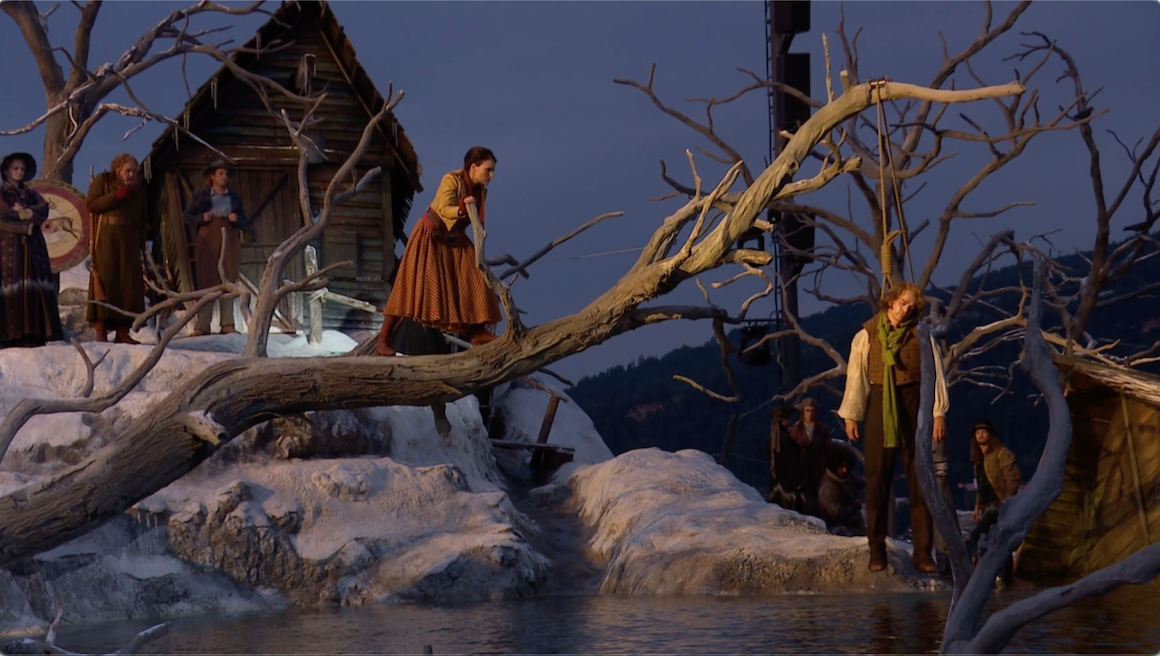
Productions on the lake stage at Bregenz are usually spectacular but rarely stray very far from the traditional/canonical. The production of Weber’s Der Freischütz, directed by Philipp Stölzl and recorded in 2023 is quite radical though. I think there are three main elements to this quite ambitious reworking. One is to give Samiel a much enhanced role. Here he is both MC and puppetmaster; controlling the action, including playing with time, and addressing the audience directly. The second element is to emphasize that this is taking place in the aftermath of the Thirty Year War and, to add to the misery of that, the village has suffered severe flooding. This sets up a duality between Agathe as the one who still, despite everything, trusts in God and Ännchen who believes God has forsaken them. This tension serves to make the two girls perhaps the most important figures, after Samiel, in the piece.