Disappointing Dido and Aeneas from Versailles

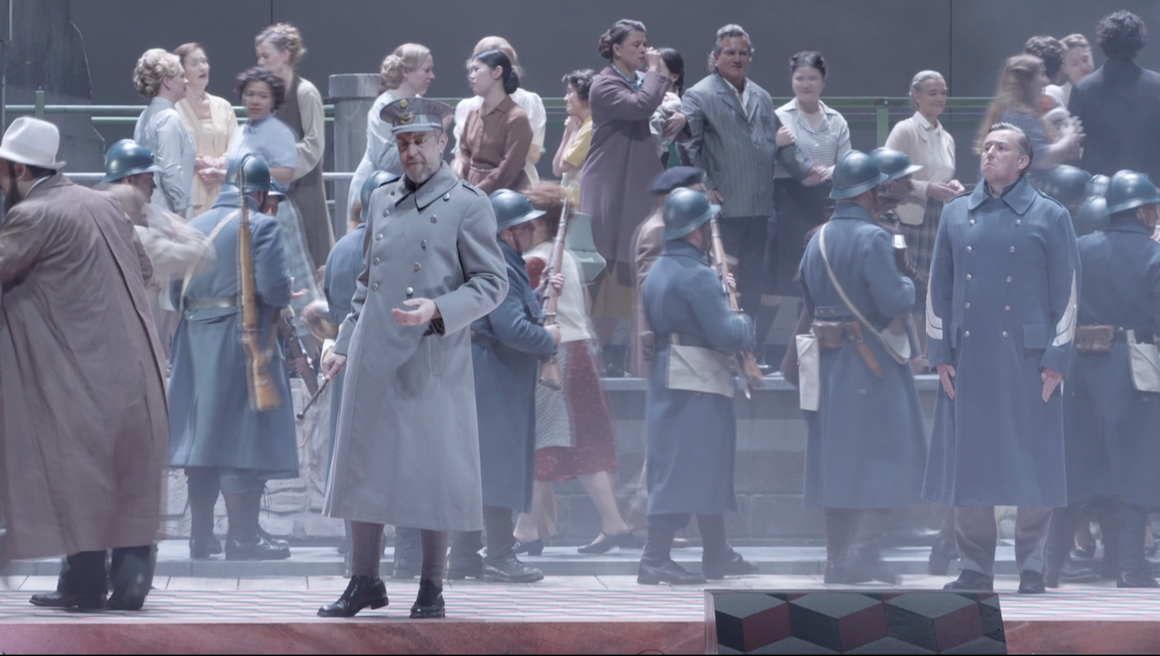
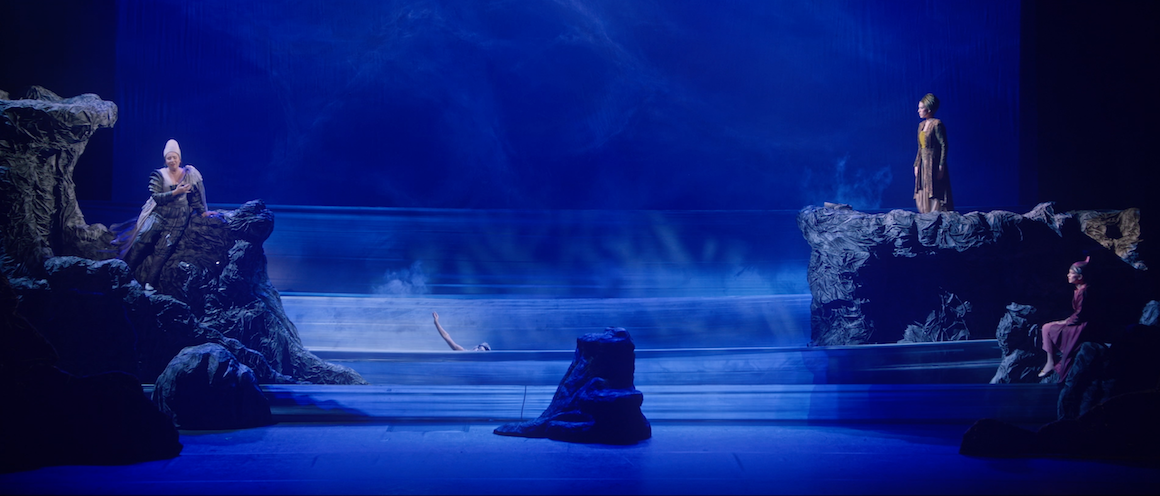
The latest video recording of Purcell’s Dido and Aeneas is from Versailles.  It’s a 2024 recording using the same production, by Cecille Roussat and Julien Lubek, as the 2014 Rouen recording and, like that one, there’s a lot of additional instrumental/dance music consistent with the idea that the piece was conceived as a court entertainment in the French style.  There’s not much point in repeating what I said back then about the production.  Check out the earlier review.
Continue reading

Pressburger and Powell’s The Tales of Hoffmann

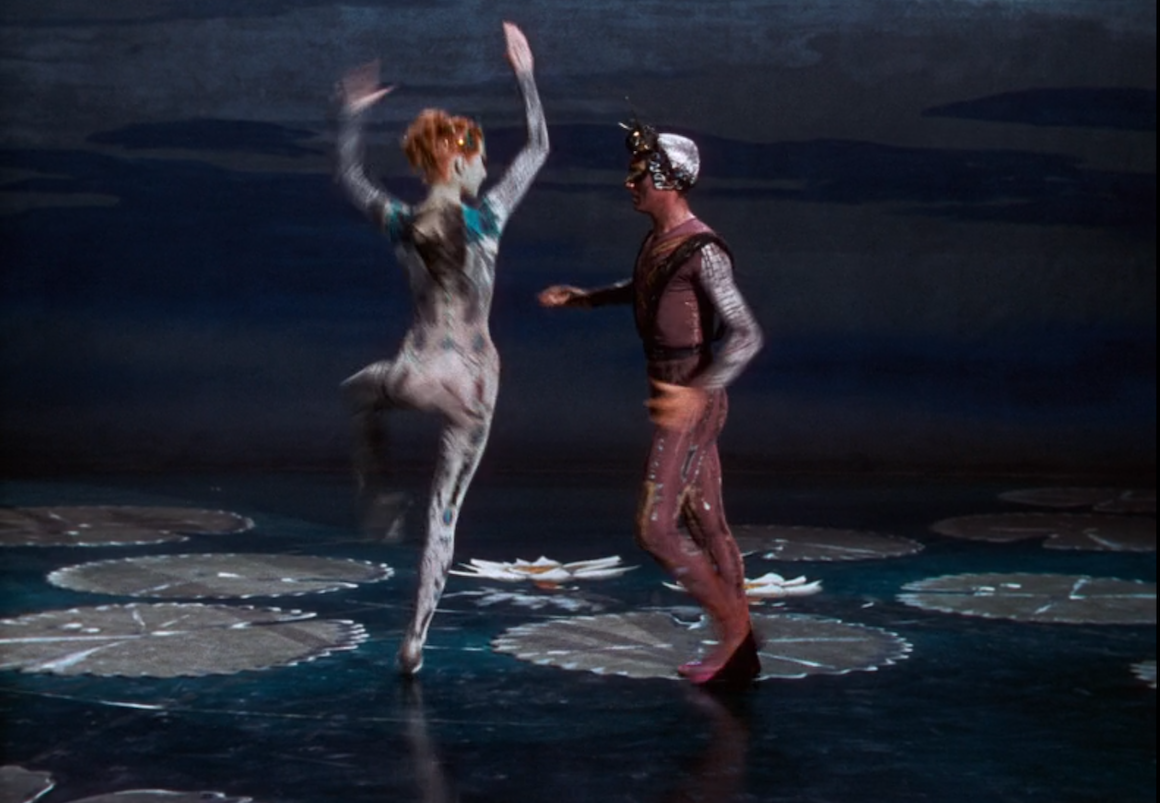
So the other Pressburger and Powell film that I recently acquired is their 1951 version of Offenbach’s The Tales of Hoffmann.  There have been claims that this is the first film made of asn opera as opposed to a film of an opera performance but, assuming one accepts that Die Dreigroschenoper is an opera then that prize surely goes to the 1931 Pabst film.

Continue reading

Michael Powell directs Herzog Blaubarts Burg

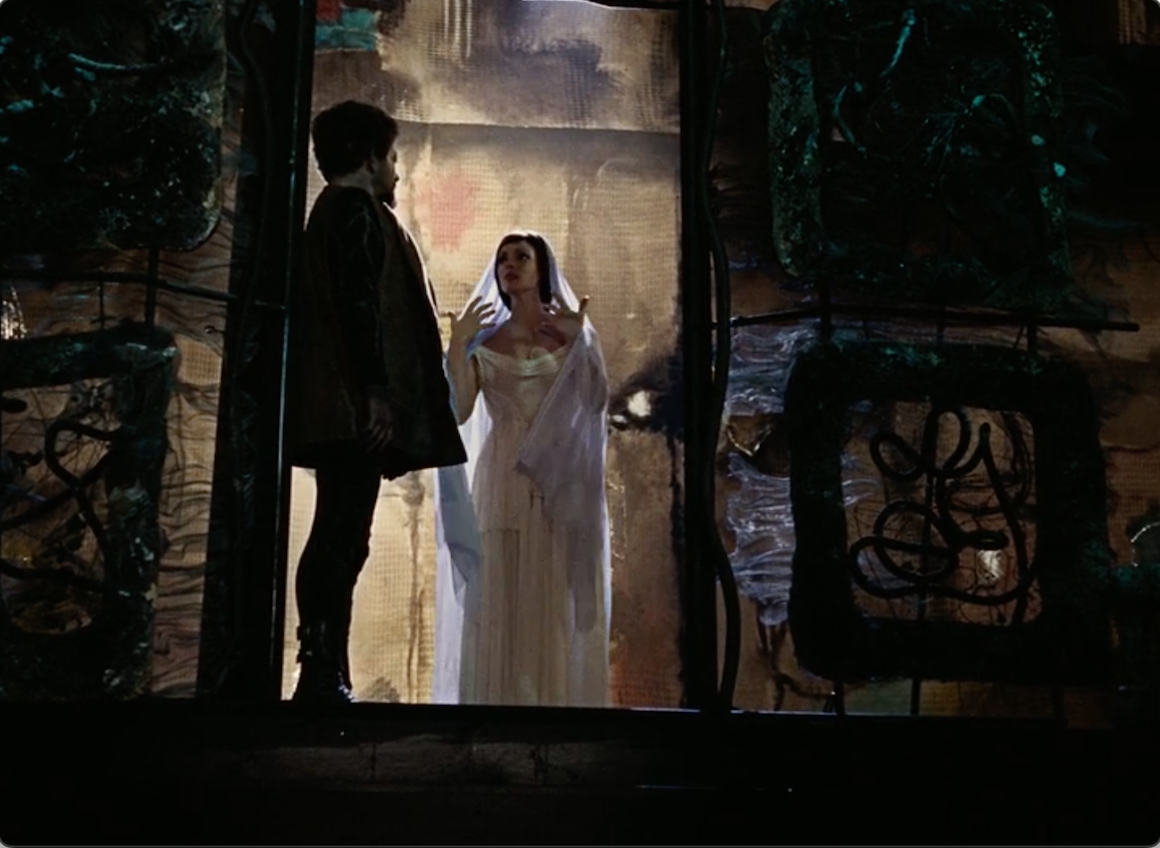
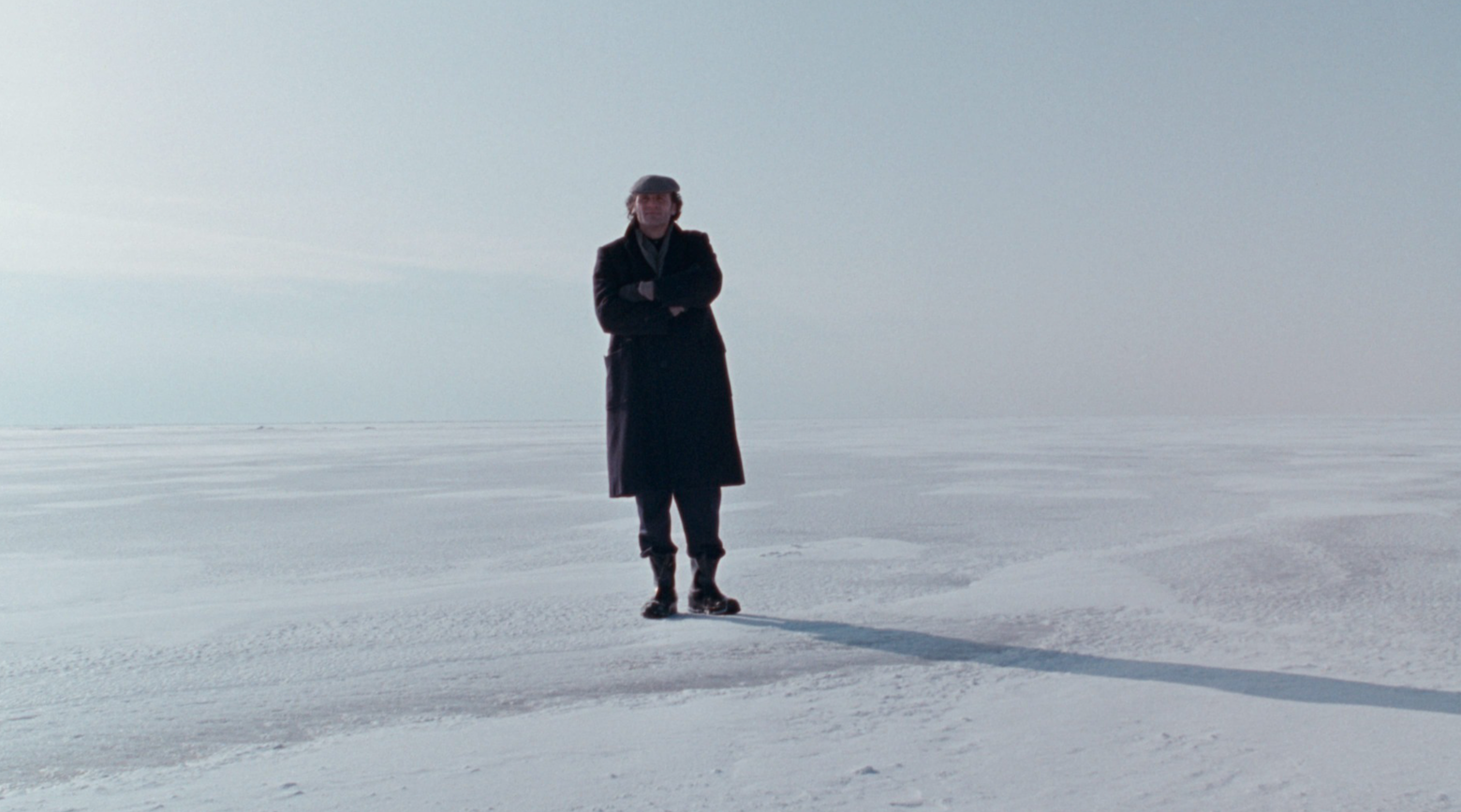
I recently got my hands on restored versions of two Powell and Pressburger opera films.  The first is a film of Bartók’s Herzog Blaubarts Burg broadcast on Süddeutscher Rundfunk in 1963.  It’s directed by Powell alone I think.  The current version was restored by the BFI from an original Eastmancolor negative in their archives and a sound master on magnetic tape from SDR under the supervision of Martin Scorsese and Powell’s widow Thelma Schoonmaker.  It was subsequently released on Blu-ray by BFI in 2023 but currently seems very hard to find!  It doesn’t help that the BFI on-line shop is currently off-line!

Continue reading

Exemplary Tales of Hoffmann from the Royal Opera

Offenbach’s The Tales of Hoffmann is a rather difficult opera to stage.  There’s no definitive performing edition and there’s a lot of (too much?) material to work with so decisions have to be made about what to cut.  There’s also the fundamental problem of how to frame the stories of Hoffman’s three great loves as he’s supposed to be recounting them in a bar, while drunk, some years after the events described.  Plus, there is some sense that all three are really just projections of his current infatuation; the opera singer Stella.

Continue reading

Honour is satisfied

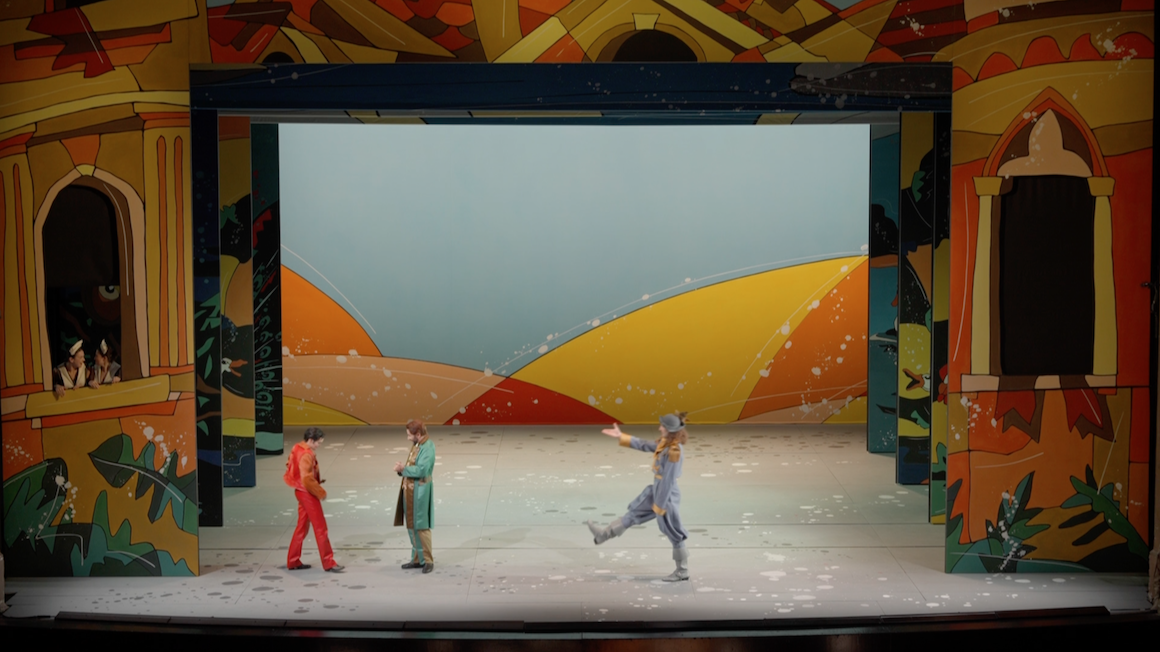
Alessandro Scarlatti wrote at least sixty operas but only one of the extant ones is a comedy; Il Trionfo dell’Onore which premiered in Naples in 1718.  Cunningly Scarlatti insisted on an Italian, rather than Neapolitan, libretto so it soon got productions further north.  It’s a piece of its time.  It had only just become allowable to produce operas that weren’t based on classical myth or history.  Even Cavalli’s most tongue in cheek works like Il Giasone had roots in the classics!  But here we have an opera whose characters are quite ordinary though clearly based on the typical types of the commedia dell’arte.

Continue reading

What one calls a happy marriage

Richard Strauss’ Intermezzo is a very strange semi-autobiographical piece apparently dealing with the married life of Richard and Pauline Strauss thinly disguised as Court Composer Robert Storch and his wife Christine.  What is really a bit weird is how these two characters are presented.  Herr Storch is a bit stuffy and self absorbed but Frau Storch is just awful.  She is rude to everyone, especially her long suffering maid and other servants, and she overreacts bizarrely to just about everything.  She’s spoiled, self-centred, vain and generally a giant PitA.

Continue reading

Lohengrin with a twist

Sometimes opera directors come up with a twist to a plot hat is illuminating without requiring pretzel logic to actually align it with the libretto.  I think Jossi Wieler and Sergio Morabit’s production of Wagner’s Lohengrin for the Wiener Staatsoper in 2024 manages that pretty well.

Continue reading

Salzburg’s Hoffmann is hard to decode

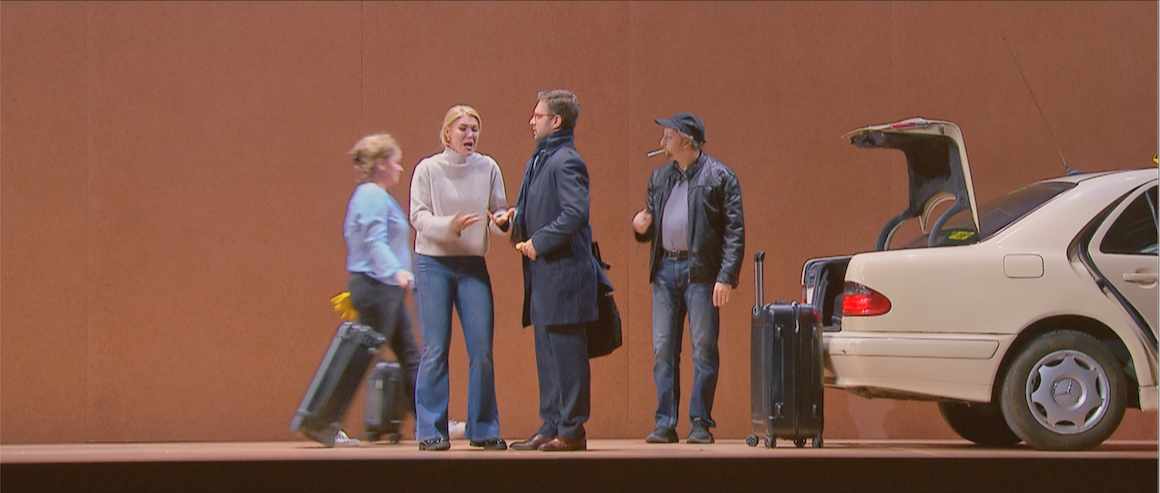
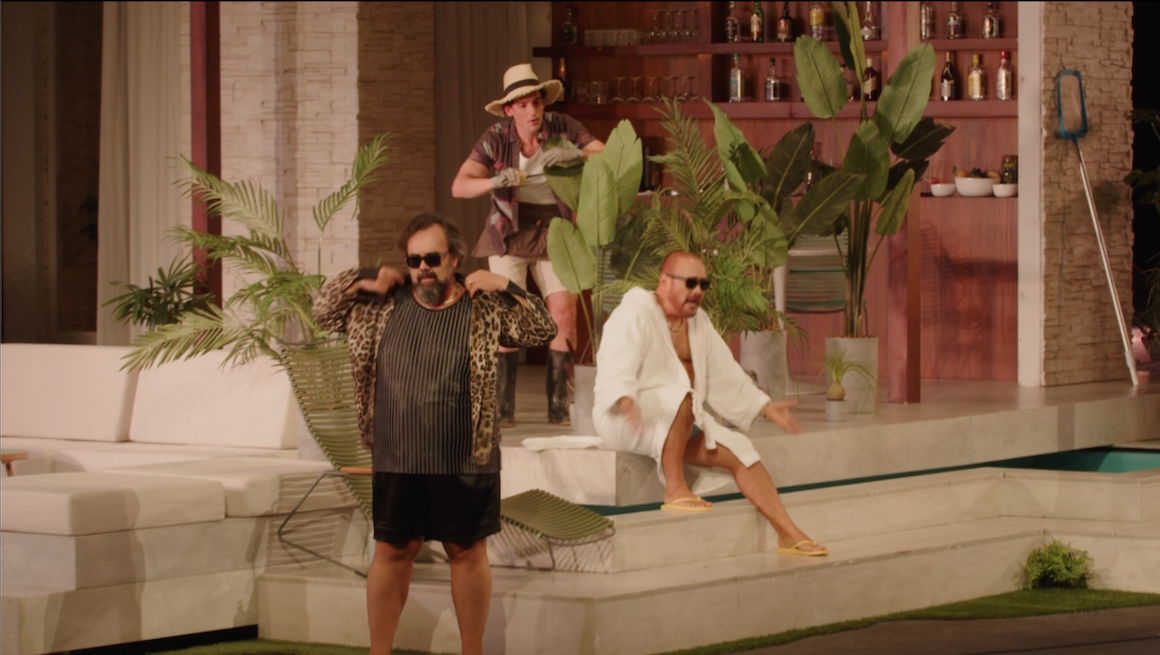
Mariane Clément’s production of Offenbach’s Les contes d’Hoffmann recorded at the 2024 Salzburg Festival is not the sort of production that one dismisses as pointless and/or ill conceived but it is complex and difficult to read; at least on first viewing.  That said,  being on video rather than live probably doesn’t help.

Continue reading

Lively Don Pasquale

The production of Donizetti’s Don Pasquale recorded at the 2024 Donizetti Festival in Bergamo is lively colourful and, generally, well done.  Amélie Niermayer’s production is essentially contemporary with a heavy emphasis on class difference between the relatively upscale Pasquale clan and the Malatestas who are shown as some sort of Italian equivalent of “Essex man”.  Doctor Malatesta has tattoos and wears a heavy gold chain and when we first see Norina she’s in braids, a T shirt, fishnets and also sports tattoos.  Her taste doesn’t improve much after the “wedding”.  In contrast, Ernesto is more stylish and less of a dweeb than in other productions I’ve seen.

Continue reading