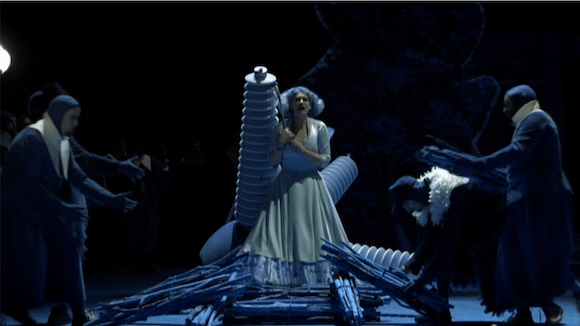
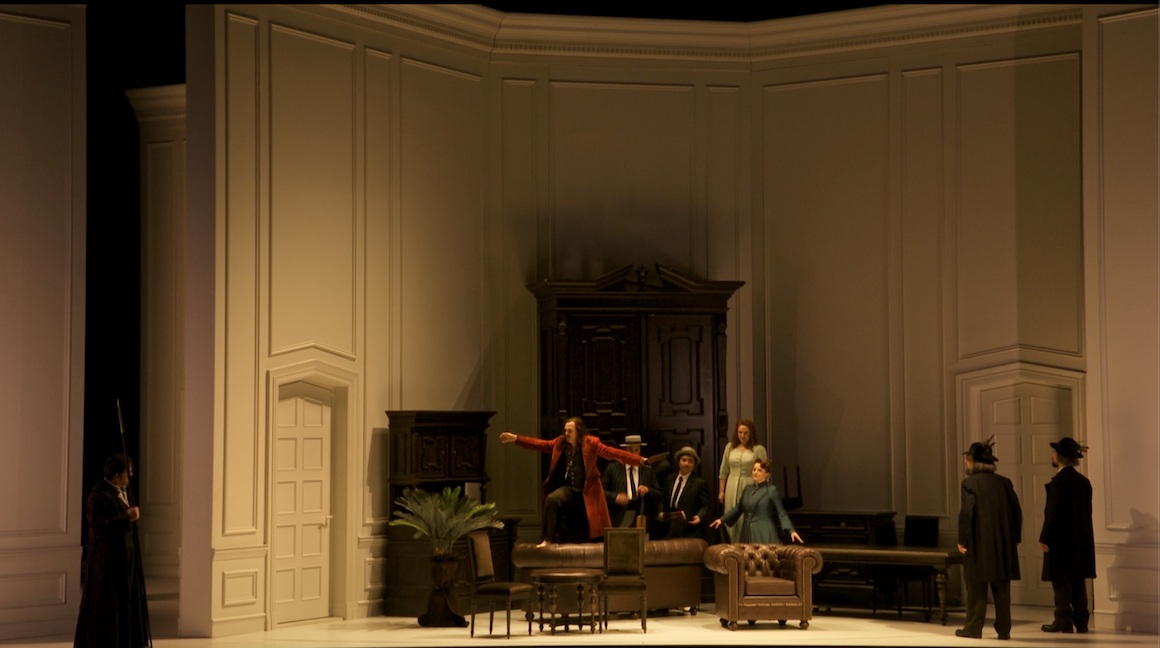
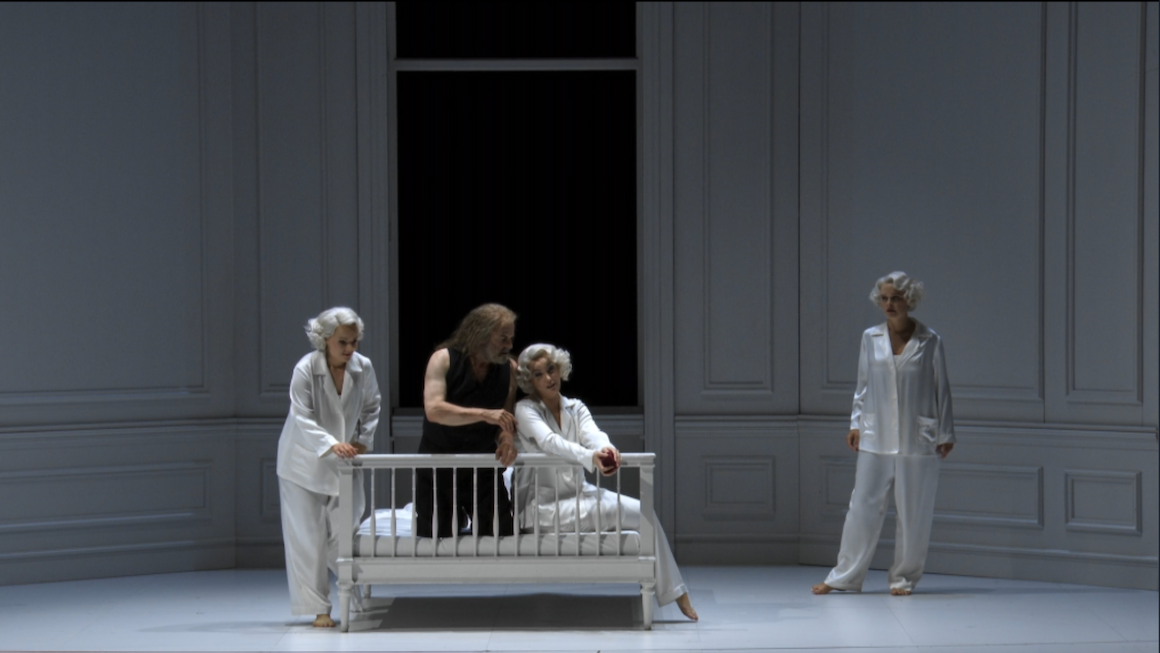
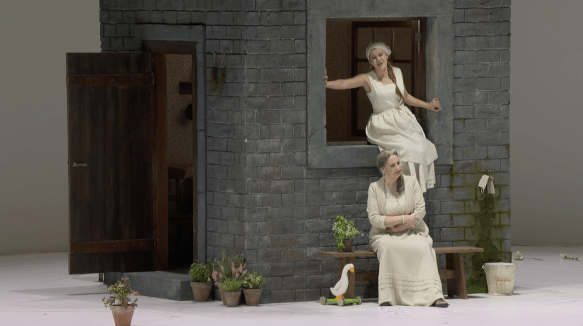
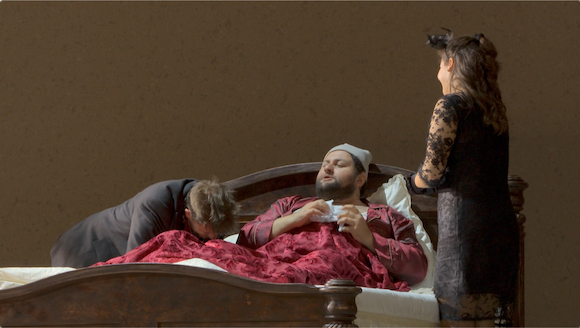
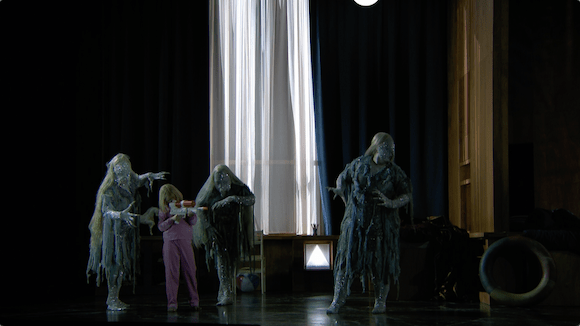
Mariane Clément’s production of Offenbach’s Les contes d’Hoffmann recorded at the 2024 Salzburg Festival is not the sort of production that one dismisses as pointless and/or ill conceived but it is complex and difficult to read; at least on first viewing. That said, being on video rather than live probably doesn’t help.
Tag Archives: beyer
Final thoughts on the Zürich Ring
Overall I rate this cycle very highly. Andreas Homoki’s production is unusual in that it’s really not conceptual and is often very literal. That’s rare in Wagner productions in major European houses. But it’s also not cluttered up with superfluous 19th century “stuff”. When a thing is essential, it’s there as described. If it’s not essential more often than not it’s omitted.
Zürich Ring – Götterdämmerung
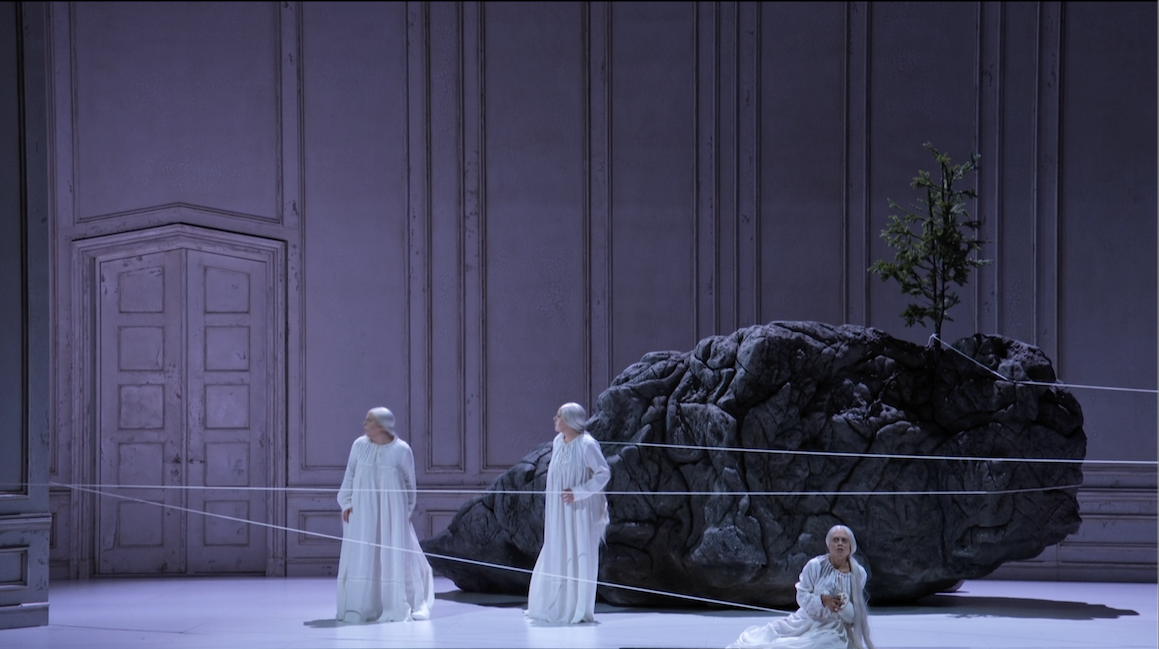
And so to the final instalment… We open with the Rock but now the background room; while still the same 18th/19th century mansion, looks a bit the worse for wear with peeling and cracked paint. The Norns, predictably, are all in white. It’s all pretty conventional but done well.
Zürich Ring – Siegfried
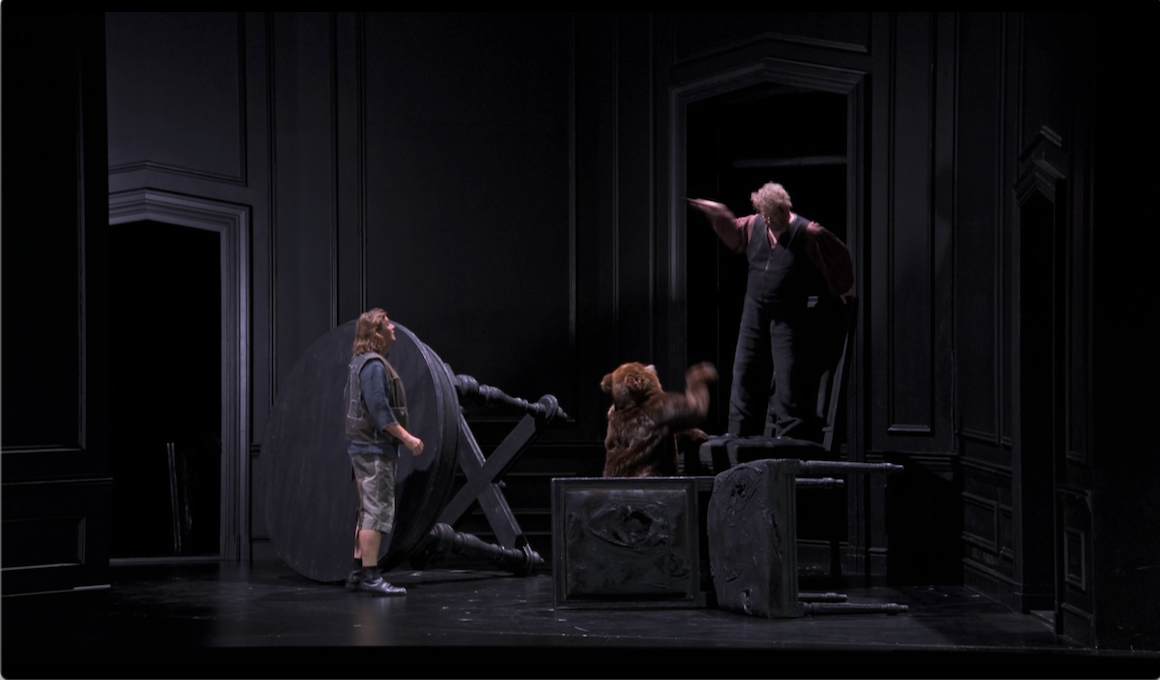
Siegfried has been described as the scherzo of the Ring cycle and Andreas Homoki seems to have at least partly run with that. There are quite a few places, including some less obvious ones, where he seems to be going for laughs. The obvious ones are obvious enough. You can’t really have a bear in the first scene without it being comic but there were also times when Wanderer was camping it up a bit. We’ll come back to that.
A new Ring from Zürich – Das Rheingold
A new production of Wagner’s Der Ring des Nibelungen is always a bit of an event and all the more so when it’s in the city where the work was composed. Andreas Homoki’s production premiered and was recorded for video at Opernhaus Zürich in 2024. I’ll be working my way through the whole cycle but here are my initial thoughts based on Das Rheingold.
None But the Lonely Heart
So you are Christof Loy, it’s early 2021 and your production of Fedora in Frankfurt can’t go ahead due to… you know. So what are you going to do with a set that basically consists of a lavishly decorated, multi-purposable drawing room? Loy’s answer is to create a narrative around twenty four Tchaikovsky songs and some of his piano/chamber music and stage and film it in an empty theatre.

The other Humperdinck opera
Humperdinck’s second “fairy tale” opera; Königskinder, is unusual in that, although it includes traditional fairy tale elements, it isn’t based on a traditional fairy tale but rather on a play by Else Bernstein-Porges. It’s, of course, also performed much less frequently than Hänsel und Gretel. It was given at Dutch National Opera, in a production by Christof Loy, in 2022 and recorded for video release.

Il Trittico with Asmik Grigorian
It’s quite rare nowadays to stage all three Il Trittico operas in one evening and it will probably get rarer as financial pressures force shorter shows. Nonetheless it was done in Salzburg in 2022 in productions by Christof Loy. The USP was having Asmik Grigorian sing all three principal soprano roles so, not unreasonably, the usual order was switched up with Gianni Schicchi coming first and Suor Angelica closing things out. Unsurprisingly, and as intended, the evening increasingly became the Grigorian show as each opera succeeded the previous one.

To begin at the end
It’s probably not ideal to begin the review of a new Ring cycle with Götterdämmerung but in the case of the cycle directed by Valentin Schwarz that premiered at Bayreuth in 2022 Götterdämmerung is the first to be released on video. Fortunately the generous two Blu-ray disk package includes a narrated summary (in English and German) of the whole cycle as seen by the director so it’s possible to put Götterdämmerung in context

Make Brabant Great Again
Yuval Sharon’s Lohengrin in 2018 at the Bayreuth Festival was the first production there by an American director and, perhaps unsurprisingly, there are echoes of contemporary events in the US in the show. Specifically Sharon’s Brabant is a conformist theocracy in which society has regressed technologically. Some of the action takes place in and around a prominently placed disused electrical installation of some kind. The Brabanters are cowardly and subservient, initially to Telramund and then, equally, to Lohengrin. The advent of a charismatic leader. does not necessarily equate to liberation or full citizenship. Sharon also claims in his director’s notes that the real dissenter is Ortrud and that it is her actions that liberate Elsa and Gottfried. Whether the staging supports this is, I think, questionable.