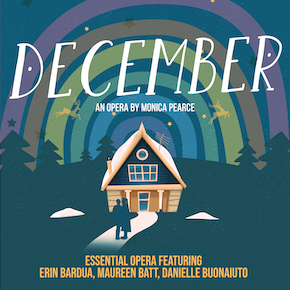
 The sound track of Essential Opera’s on-line video of Monica Pearce’s COVID era opera December has now been issued as a CD. You can read my review at La Scena Musicale.
December
Reply

The sound track of Essential Opera’s on-line video of Monica Pearce’s COVID era opera December has now been issued as a CD. You can read my review at La Scena Musicale.
 Here are some more things to see in the second half of February…
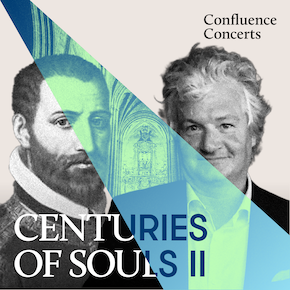 On Friday evening at Heliconian Hall Confluence Concerts presented a concert entitled Centuries of Souls II. It was built around two longish works; Tomás Luis de Victoria’s Missa Gaudeamus and Eugène Ysaÿe’s Sonata for solo violin op.27 no.2. The individual movements/sections of these two pieces were interleaved along with a couple of Indian mantras, some plainchant, some lute pieces and the Stravinsky Pater noster to make a pretty coherent programme with its roots in various traditions of chant. Continue reading
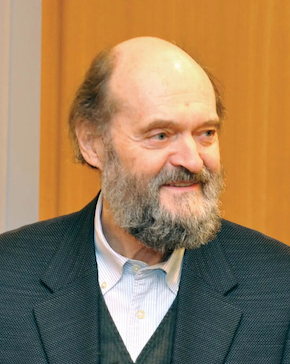 The final concert in this years Soundstreams TD Encounters series took place at Hugh’s Room on Monday evening. It was themed around the work of Arvo Pärt with two of his works and two connected pieces featured. It begun wit his Es sang vor langen Jahren; a setting of Clemens Brentano’s poem “Der Spinnerin Nachtlied”. It was sung by soprano Xin Wang accompanied by Erika Raum on violin and Sheila Jaffe on viola. It’s quite a lyrical piece with an almost Schubertian vocal line and characteristically minimalist instrumentals. Nicely done. Continue reading
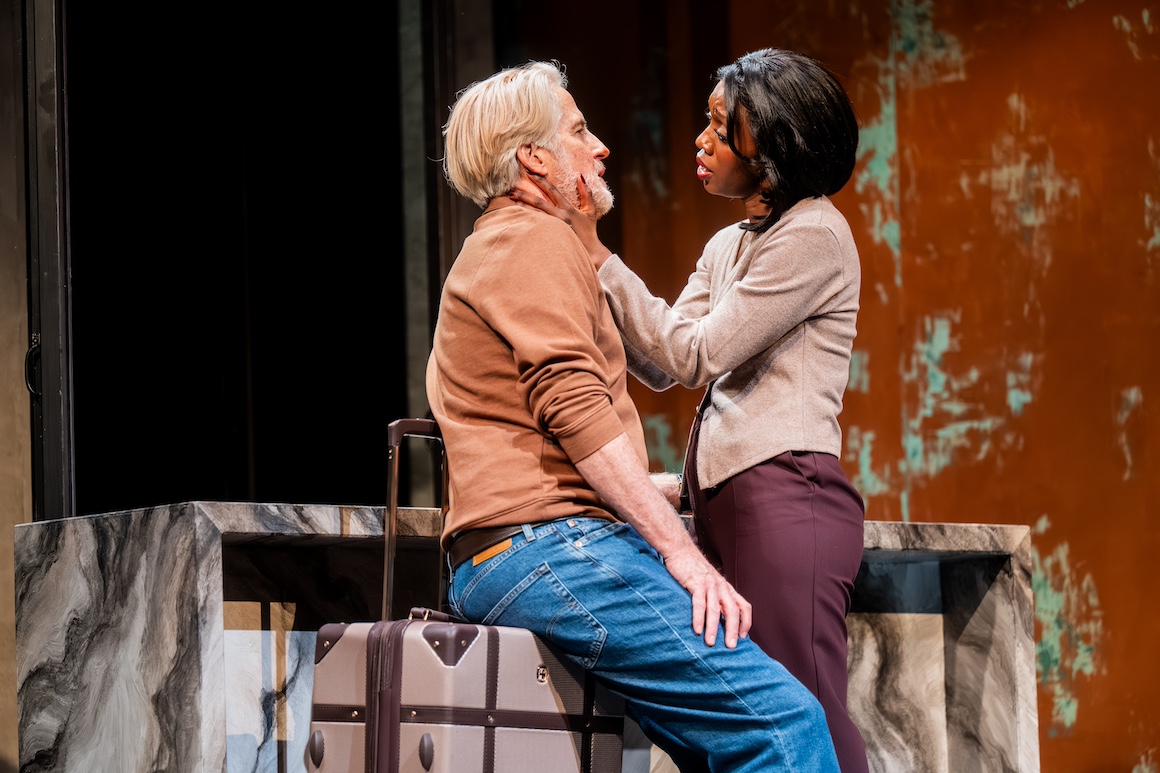
On one level Tennessee Williams’ Summer and Smoke seems like just another Southern Gothic tale of repressed small town folk with southern accents shouting at other members of their thoroughly dysfunctional families. There’s plenty of that of course but there’s also a fascinating analysis of how relationships can be made or broken according to, essentially, how individual life arcs align. This aspect is very clearly brought out in Paolo Santalucia’s production that opened at Crow’s Theatre on Wednesday evening.
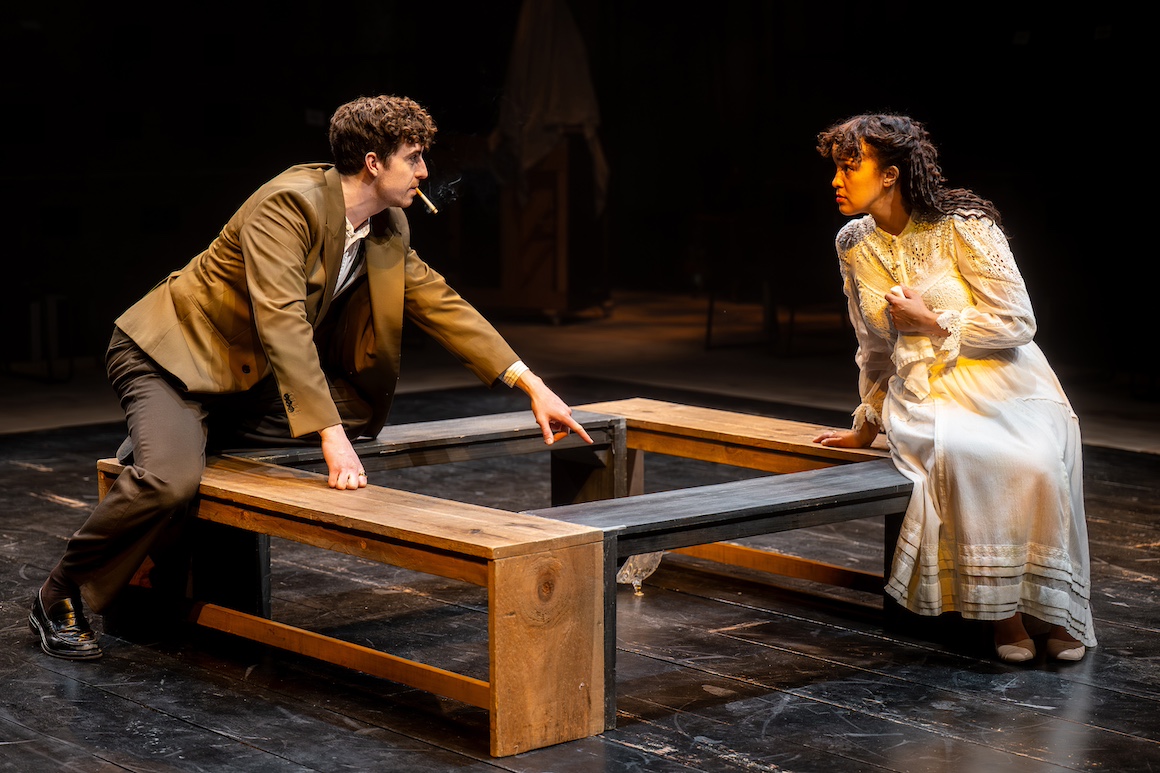
Natasha Mumba’s play Copperbelt which had its premiere at Soulpepper on Tuesday evening is a very interesting work. On one level it’s a tight, well crafted drama in the “dysfunctional family” genre so beloved by playwrights. Intergenerational and gender role conflicts abound. But beneath that there’s something much more interesting.
 I’ve been complaining fior ages that the sort of curated artsong concert by young singers disappeared with COVID. Monday night gave me cause for hope. The first concert in Tapestry Opera’s Free Underground Concert series was given on Monday evening by a new initiative called GentleFreak. It’s led by Danika Lorèn who has form in this area.
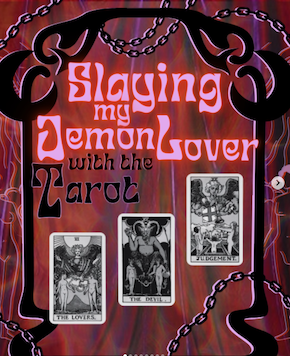
Slaying My Demon Lover is a concept by Daevyd Pepper and consists of readings and music around the idea of loss or break up (romantic or otherwise). Monday’s show was a cut down version of the whole thing which can be seen on the evening of the 15th at Arrayspace (tickets here). It’s very varied with some very lyrical pieces like Hahn’s L’heure exquise (sung beautifully by Queen Hezumuryango) and much mor abrasive material like Weill’s Je ne t’aime pas (sung forcefully by Reilly Nelson). There was musical theatre material on the same theme; for example Sondheim’s Losing My Mind (Danika) and some weirder or more playful numbers like George Aperghis Récitation 14 (Danika) and Vernon/Ivor’s 715 CRΣΣKS sung into the piano by Daevyd. Accompaniment throughout was by Claire Harris on piano. Bottom line it all worked and came together to make a most satisfying and very welcome show.
Tapestry’s Free Underground Concerts programme runs on selected Monday evenings from 6pm to 7pm at the Nancy and Ed Jackman Performance Centre. Next up on the 23rd is a preview concert of Kevin Wong’s new musical In Real Life.
The Barber of Seville is back at the COC with an excellent cast;, young and old, and it’s as lively, colourful and energetic as ever. My full review is now published at bachtrack.com.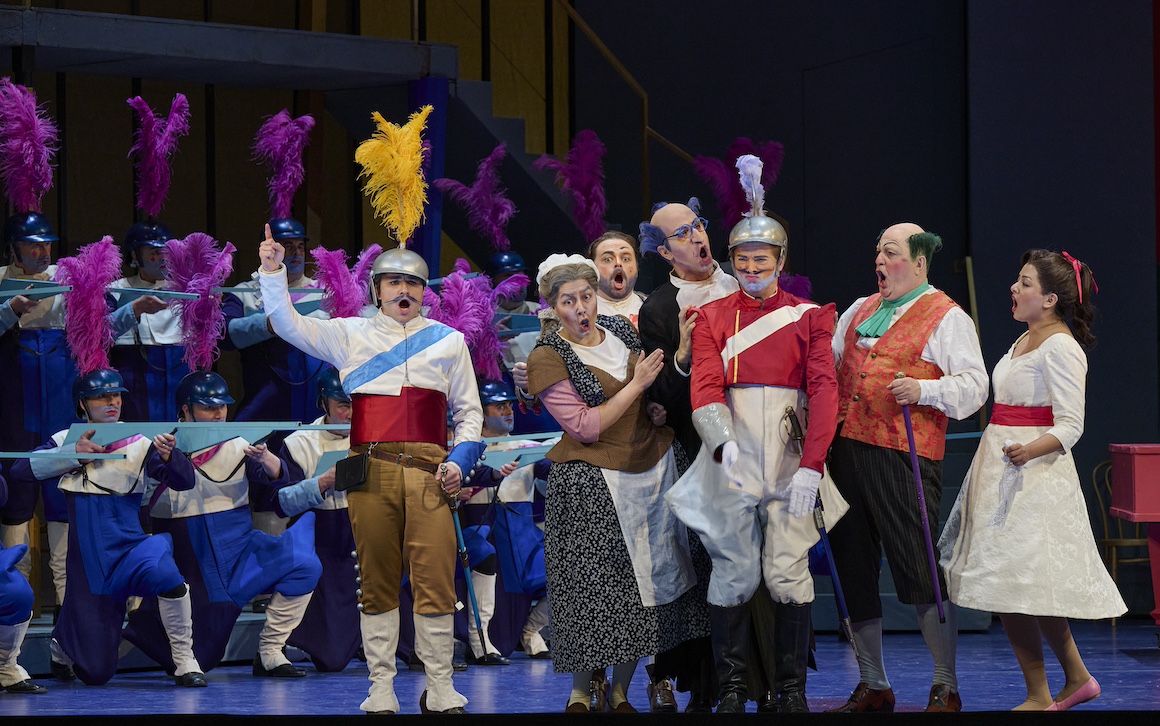
The Barber of Seville continues at the COC until February 21st.
Photo credit: Michael Cooper
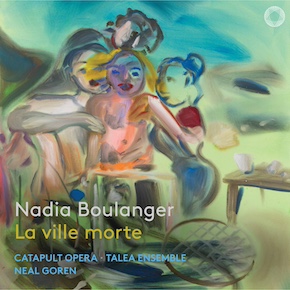 My review of Catapult Opera’s recording of Nadia Boulanger’s La ville morte is now available at La Scena Musicale.
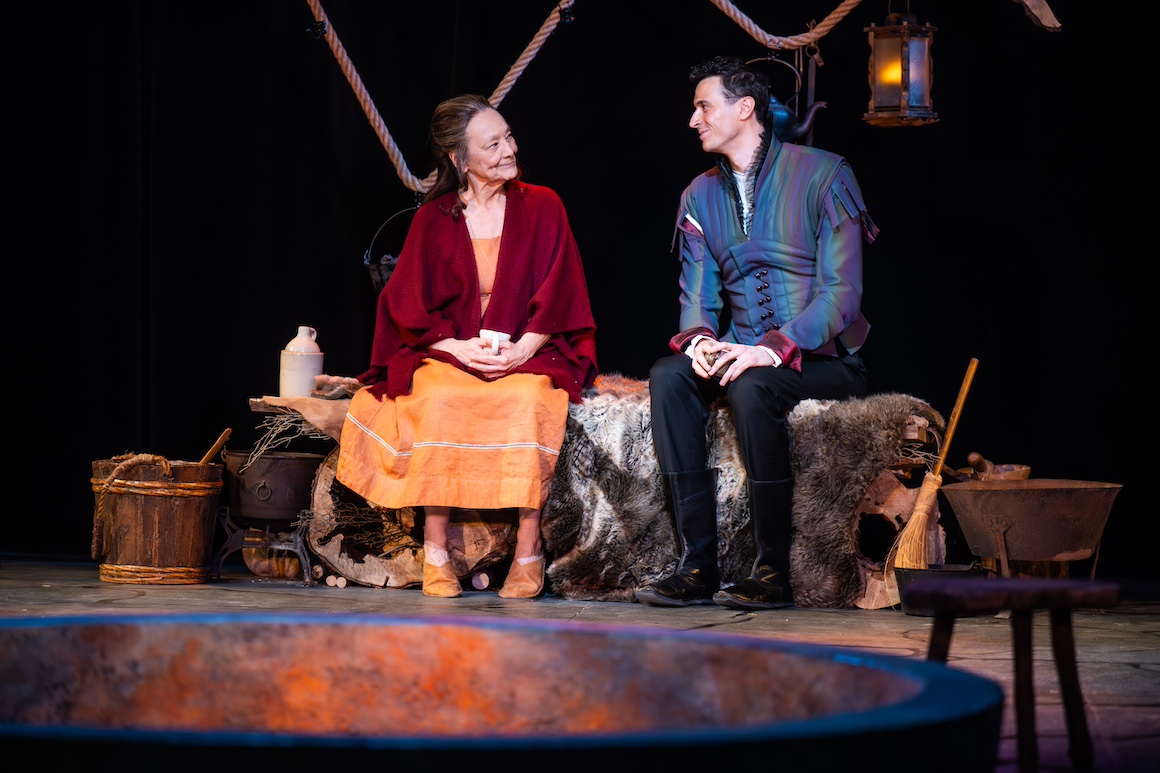
In 1621 one Elizabeth Sawyer, inevitably a poor, old woman, was hanged as a witch in London. A play, The Witch of Edmonton, loosely based on the trial and events leading up to it, hit the boards shortly after. It was a popular success. Now Jen Silverman has taken the framework of that Jacobean tragicomedy and grafted onto it a critique of late stage capitalism. The result is Witch, currently playing at Soulpepper in a production directed by Courtney Ch’ng Lancaster.
 operaramblings