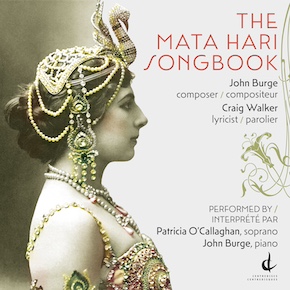
 My review of The Mata Hari Songbook by John Burge and Craig Walker, performed by the composer and Patricia O’Callaghan, is now available at La Scena Musicale.
Catalogue information: Centrediscs CMCCD 34424

My review of The Mata Hari Songbook by John Burge and Craig Walker, performed by the composer and Patricia O’Callaghan, is now available at La Scena Musicale.
Catalogue information: Centrediscs CMCCD 34424
My review of Palazetto Bru-Zane’s new video recording of Bizet’s Carmen aimed at recreating the original staging of 1875 is now available at La Scena Musicale.
 Catalogue information: Bru-Zane BZ3001
Samuel D. Hunter’s play The Case for the Existence of God, in a production directed by Ted Dykstra, opened at Coal Mine Theatre on Thursday night. It’s a story about the somewhat unlikely friendship between two would be single fathers in a small town in Idaho. It’s mostly pretty sad but with some really funny moments. We can come back to the God thing.

My review of John Adams conducting the TSO on Wednesday evening is now up at Bachtrack.
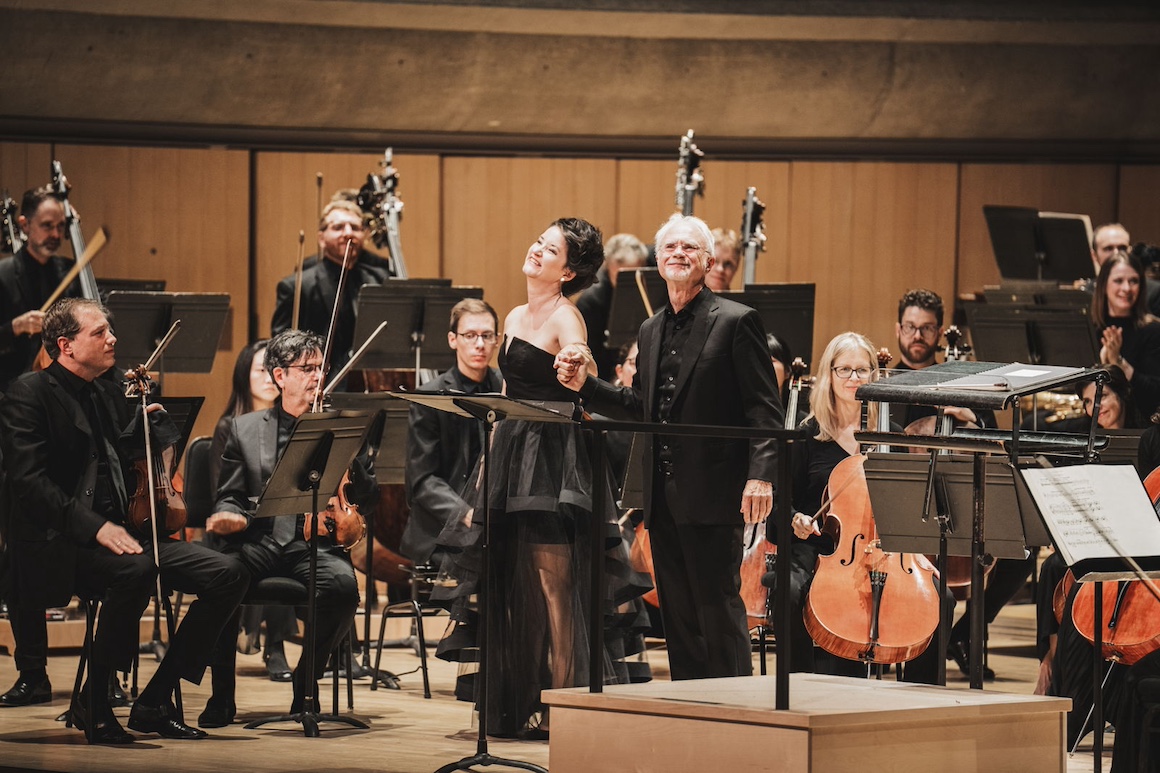
Photo: Alan Cabral
Walter Sutcliffe’s staging of Handel’s Brockes Passion, recorded at the Halle Festival in 2023, would be disturbing under any circumstances. Watching it during and just after the US elections borders on the unbearable.
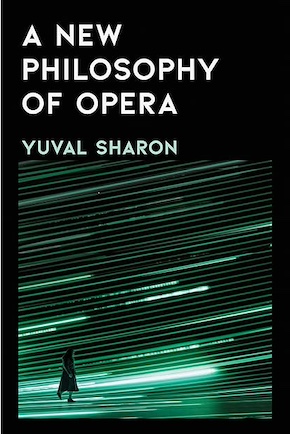 A New Philosophy of Opera is a recent book by opera and theatre director Yuval Sharon. It deals with that thorny question “How do we revitalise opera?”. It contains a lengthy critique of the current opera world; repertory, performance practice, business model, and some pretty radical suggestions for ways forward. It’s focussed on the US but I think it’s pretty relevant to Canada too. It’s also worth pointing out upfront that Sharon’s way forward is not at all based on the German model. He’s actually quite critical of it as being almost as ritualistic, lifeless and elitist as the US model.
So let’s look at his critique of current practice. It can be summed up by the three adjectives in the previous sentence. So, inter alia: Continue reading
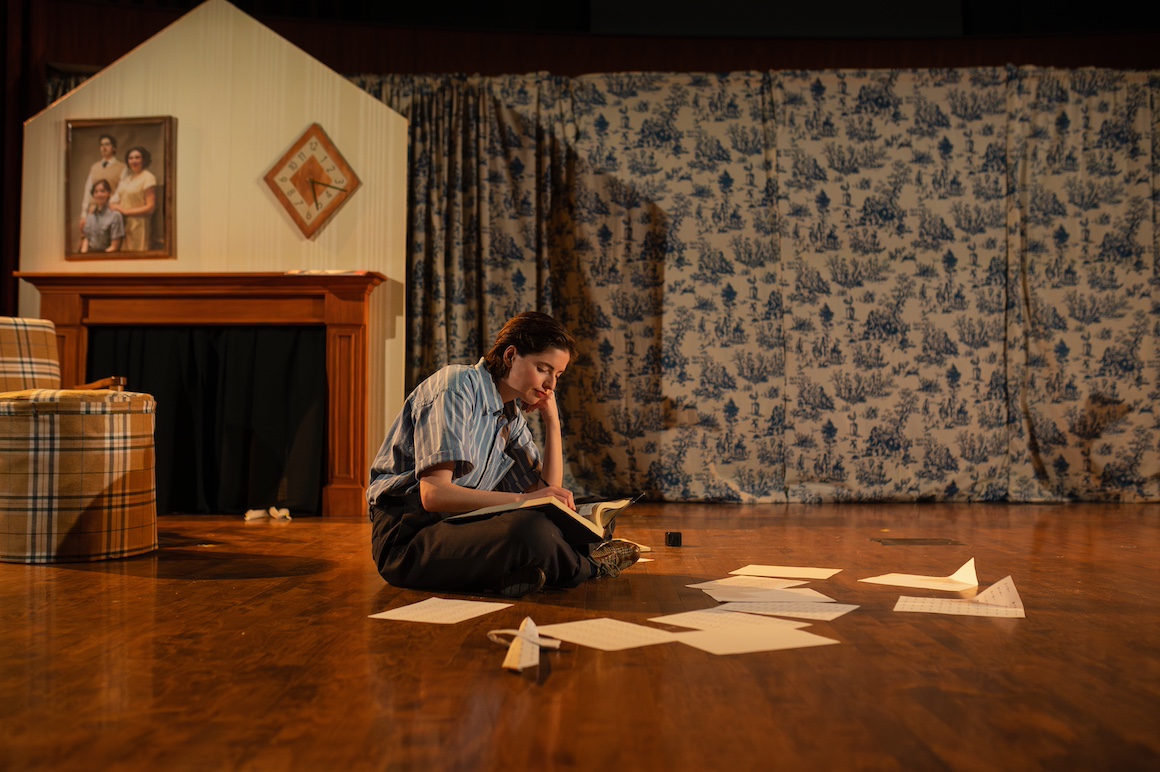
Friday night the Glenn Gould School presented a pair of French chamber operas in Mazzoleni Hall. The pieces were Ravel’s L’enfant et les sortilèges and Debussy’s Prodigal Son with a new English language libretto by Ashley Pearson. Pearson’s libretto concerns a gay man estranged from his family so director Mabel Wannacott’s linking idea is that the principal character in both is the same person as a child and twenty years later.
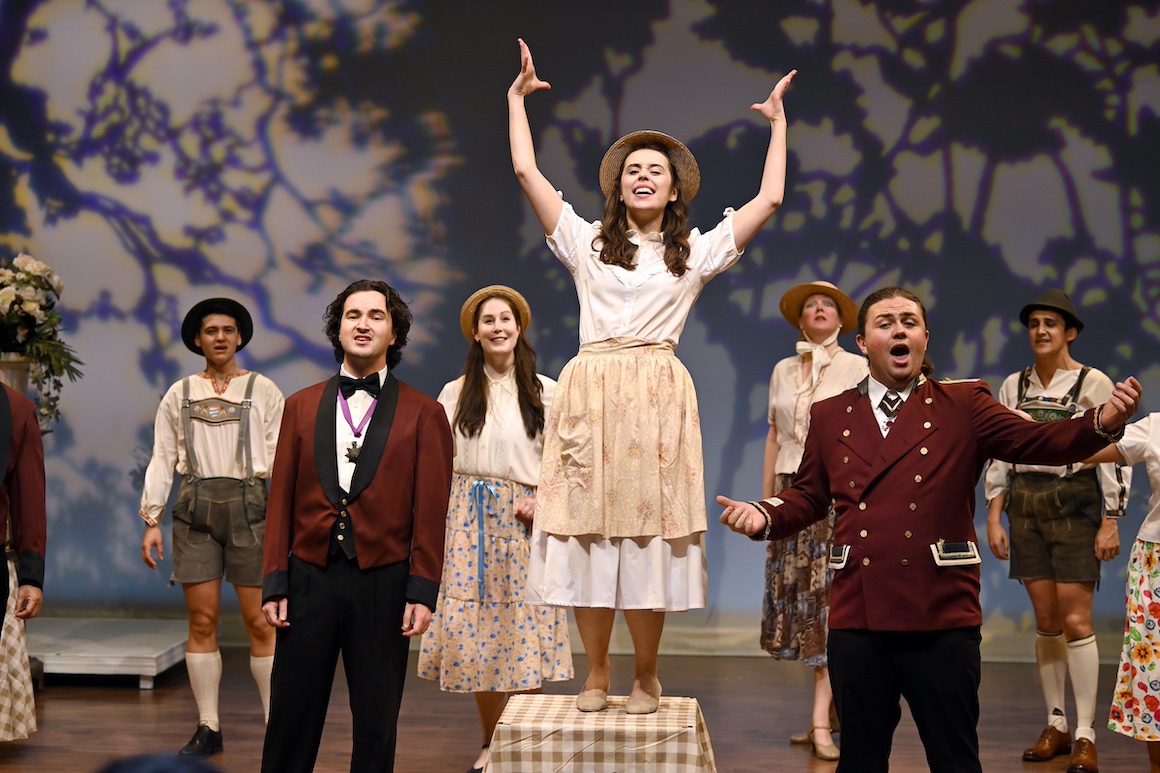
Sigmund Romberg’s The Student Prince was a huge success when it premiered in New York in 1924. It’s not hard to see why. It’s an undemanding “love versus duty” plot with plenty of tuneful numbers and lots of drinking and drinking songs which must have had a particular appeal during Prohibition!
 Nearly a year ago I reviewed Christopher Whitley’s album of pieces for solo violin and electronics Describe Yourself. In the same session Whitley recorded a series of short improvisations for violin using the same 300 year old Stradivarius. The half hour or so of music was recorded unedited in a single take and forms the album almost as soft as silence.
There are fifteen pieces ranging in length from 18 seconds to about four minutes. They are quite varied in mood and method but tend toward the meditative. He uses the full range of sounds from the violin. Sometimes, as in “six” the music is very high and chattery. For some reason it suggested squirrels discussing philosophy. Other pieces, like “a5 b5 g5” seem to have an geometrical structure; a series of smooth crescendos are each followed by a very fragmented fade-out, rinse and repeat. Continue reading
Mark Leiren-Young’s Playing Shylock opened at Canadian Stage on Wednesday night. It’s a one man show featuring Canadian stage, film and TV icon Saul Rubinek and directed by the equally venerable Martin Kinch. And it’s back where it all started for both of them in what was then Toronto Free Theatre on Berkeley Street (once, appropriately enough, a gas works).

 operaramblings