
 This review first appeared in the print edition of Opera Canada.
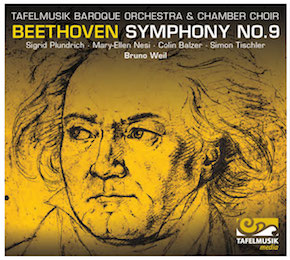
Tafelmusik Baroque Orchestra’s Beethoven cycle with conductor Bruno Weil concludes with a recording of the 9th Symphony recorded live at Koerner Hall in February 2016. It’s very much a period instruments recording. This is most noticeable in the strings where the sound is softer than a modern orchestra with less “attack” and significantly less dynamic variation. No doubt the fairly small forces used reinforce this. There are slightly more than 50 instrumentalists in total. Overall, it’s an almost Mozartian sound.
 This review first appeared in the print edition of
 This review first appeared in the print edition of
  This review first appeared in the print edition of
 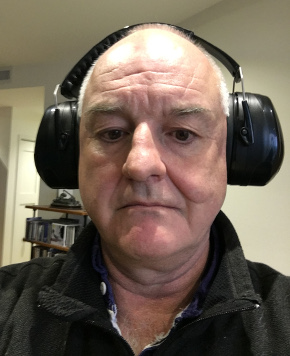 I live with a musician. In an apartment. My partner practices, as musicians do. I work at home a lot; both for my day job and my music related writing. Neither of these are particularly easy to focus on when someone is tuning, playing scales, etc and listening to (other) music is close to impossible. I’m sure quite a few people reading this face a similar situation. My situation is further complicated by needing to review Blu-ray/DVD from far enough away from a large screen; which would involve either a ridiculously long (and cat vulnerable cable) or wireless. Was there a listening solution that would provide sound isolation and decent quality sound? Ideally, I also wanted something that could double up on a plane as I had found getting anything done on my recent Australia trip close to impossible.
 Well the holidays are over and the music scene is coming back to life from its seasonal diet of musical plum pudding. There’s not a lot on this week but there is the first vocal concert of the year in the Richard Bradshaw Amphitheatre. Mezzo-soprano Marion Newman will be joined by Kathleen Kajioka (violin) and Adam Sherkin (piano)in a programme of Canadian works exploring First Nations themes. It includes Dustin Peters’ song cycle, Echo|Sap’a, which explores the journey of The Echo (or Sap’a in Kwakwala), a para-natural entity that mimics the sounds and movements she encounters throughout the woods and waters, as well as Kinanu, a lullaby composed by Newman for her baby sister. Noon, of course, and free.
