Various bits and pieces from the in basket:
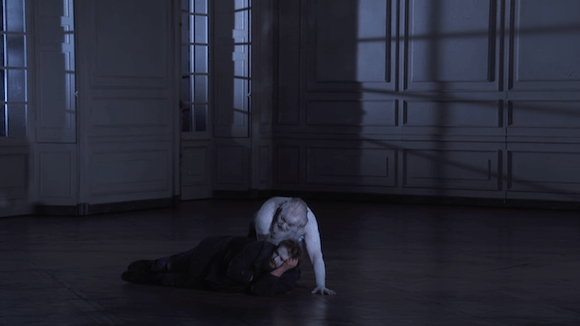
The dynamic duo of Teija Kasahara and Aria Umezawa have a new project; Amplified Opera. They are kicking off with a series of three concerts called Amplify! and it takes place Ocober 10th to 12th at the Ernest Balmer Studio. The theme is diversity and equity.
- October 10th, 2019: The Way I See It – American mezzo-soprano and author Laurie Rubin (Do You Dream in Color: Insights from a Girl Without Sight), and pianist Liz Upchurch will speak to their unique experiences as individuals with blindness and vision loss navigating the world of opera, and how this element of their identity has informed their creative process. The concert will be directed by Aria Umezawa. As you can imagine this particularly resonates with me.
- October 11th, 2019: The Queen in Me – An exploration of the ways in which the classical music world tries to control and limit queerness, gender expressions, and identities. This one-person show features soprano Teiya Kasahara as the Queen of the Night who, after 228 years, has finally decided to reclaim their narrative and challenge the patriarchy. The show is accompanied by Trevor Chartrand, and directed by Andrea Donaldson.
- October 12th, 2019: What’s Known to Me is Endless – A look at the African diaspora, and how experiences of Black identity differ in Canada and the United States. African American baritone Kenneth Overton is joined by Canadian pianist Rich Coburn to speak to how their understanding of Black identity was challenged while working on both sides of the Canadian-US border. Canadian American, Michael Mohammed, will direct the show.
Tickets are $25 for each show at the door or from the website.

Continue reading →


 I can’t believe an October preview post already. But here it is. So what’s on? Against the Grain’s Opera Pub kicks off again on the 5th at the Amsterdam Bicycle Club. It’s the usual 9pm start but come really early if you want a table. The 10th to the 12th sees

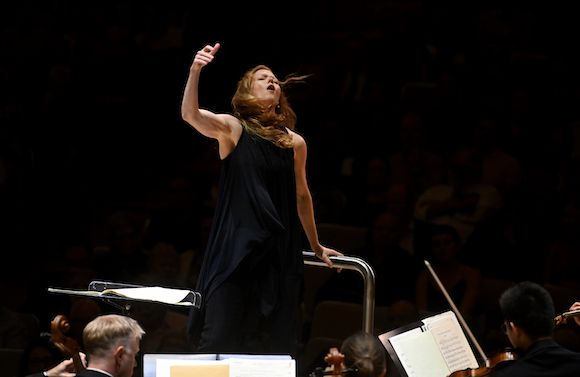
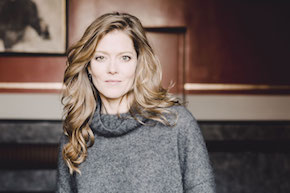 Last evening I attended a session with Barbara Hannigan under the auspices of the IRCPA. The format was an interview with William Littler followed by audience Q & A. In many ways it was typical Hannigan. She came across as smart, incredibly driven, analytical and with quite a wicked sense of humour. This I have seen before and there wasn’t much about her work methods that added to the information in
  Mysterious Barricades is a coast to coast series of concerts live streamed throughout the day in aid of Suicide Awareness and Prevention. I don’t know if there is anyone who has not been affected by someone taking their own life or has been close to it themselves. I do know that if such a person exists it’s not me. So attending a concert such as yesterday’s is hard and certainly not conducive to thinking in the way necessary to write a review. Let’s just say that the programme curated by Monica Whicher was appropriate; from the land acknowledgement by Don McLean that reminded us that suicide amongst Indigenous People is an even bigger problem than in the settler community to the finale chorale. Comforting too to think that I had friends taking part as far away as Halifax and Kelowna. But, for all that, a tough day at the office.