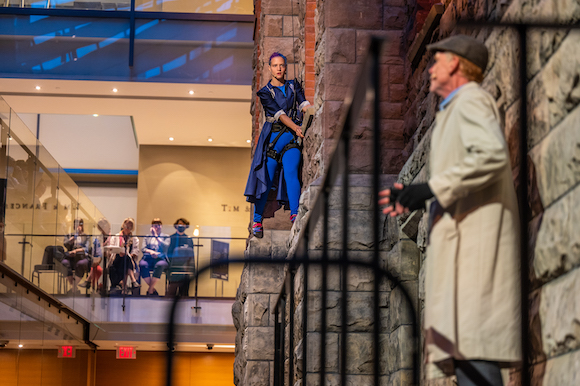
 The season finale for the Music Garden this summer was a performance of Alec Roth’s Songs in Times of War. These are settings of poems by Du Fu translated by Vikram Seth. Du Fu was a Chinese court poet who lived through times (8th century CE) when millions died or were displaced by rebellion and civil war. Although more allusive than direct (most of the time), the poems are grim but have an elusive beauty which is reflected in Roth’s setting. Originally scored for tenor, guitar, harp and violin we got to hear a new version (by the composer) with violin replaced by erhu; a two stringed bowed instrument. Tnere’s no doubt in my mind that the erhu adds a really effective cross-cultural timbre that the violin version can’t quite match.
Songs in Time of War
2

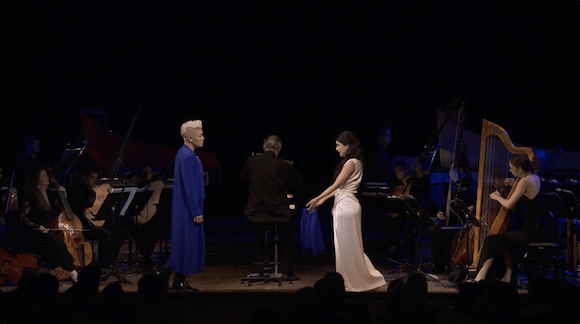
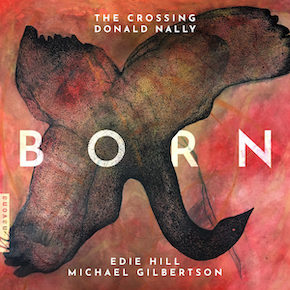 Born is the latest album from Philadelphia based choir The Crossing conducted by Donald Nally. There are three pieces on the album. Two works by Michael Gilbertson book end the line up. The first, Born, sets words by Wisława Szymborska translated by Stanislaw Baranczak and Clare Cavanagh. It deals in a very allusive way with the relationship between a man and his mother. The music is intricate but still sounds a bit “church choiry” for my taste. There’s nothing wrong with it. It’s well crafted and beautifully performed but not really my thing.
 First up is the always interesting Confluence Concerts series. It’s an eight show line-up:
 t’s still pretty quiet but there are some things still going on: