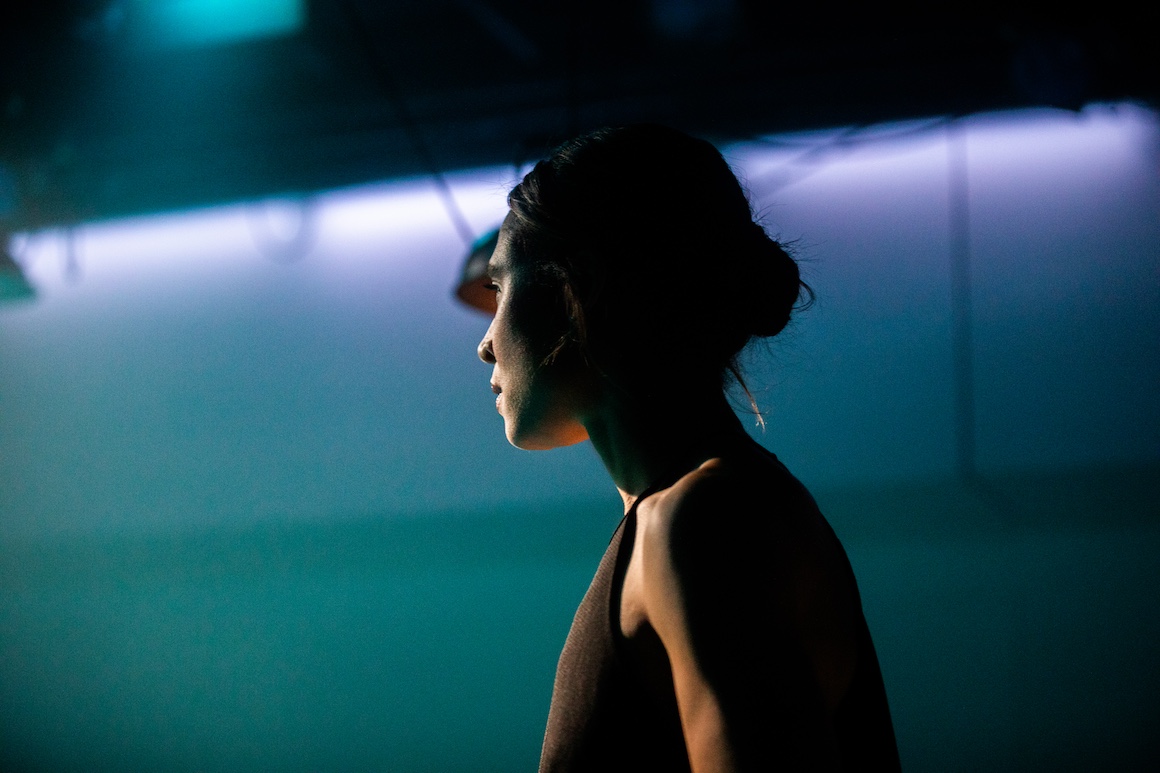
Adam Paolozza’s Last Landscape opened at Buddies in Bad Times on Tuesday night. It’s an experimental piece about environmental collapse. It’s not exactly a “play”. There are no words. What there are are puppets, movement and sound.

Adam Paolozza’s Last Landscape opened at Buddies in Bad Times on Tuesday night. It’s an experimental piece about environmental collapse. It’s not exactly a “play”. There are no words. What there are are puppets, movement and sound.

Michael Healey’s The Master Plan is currently playing in a collaboration between Crow’s Theatre and Soulpepper at the Michael Young Theatre. It’s basically the same production and mostly the same cast and creative team as at Crow’s last year so I’ll not repeat everything I said in my rather long review of opening night at Crow’s. There are two cast changes; Rose Napoli comes in as Kristina Verner and others and playwright Michael Healey replaces Peter Fernandes (who is off at Crow’s playing, appropriately enough, a dodgy real estate broker) as the Tree etc. It’s still staged, very effectively, in the round and the lighting and projections haven’t changed. What I want to concentrate on is how well does the piece stack up on a second viewing and in the light of other stuff that has happened/is happening in Ontario.

I wasn’t exactly sure what to expect from Oraculum at Buddies in Bad Times. I kew it featured a drag act and fortune telling but that was about it. On one level it’s a show about the relationship between a straight bimbo PR consultant; Kayleigh, and her gay male twink friend; Matt, who is hustling a product line called Gape. She’s about to get married and he’s doing all he can to undermine it including impersonating the on-line fortune teller she continually consults.

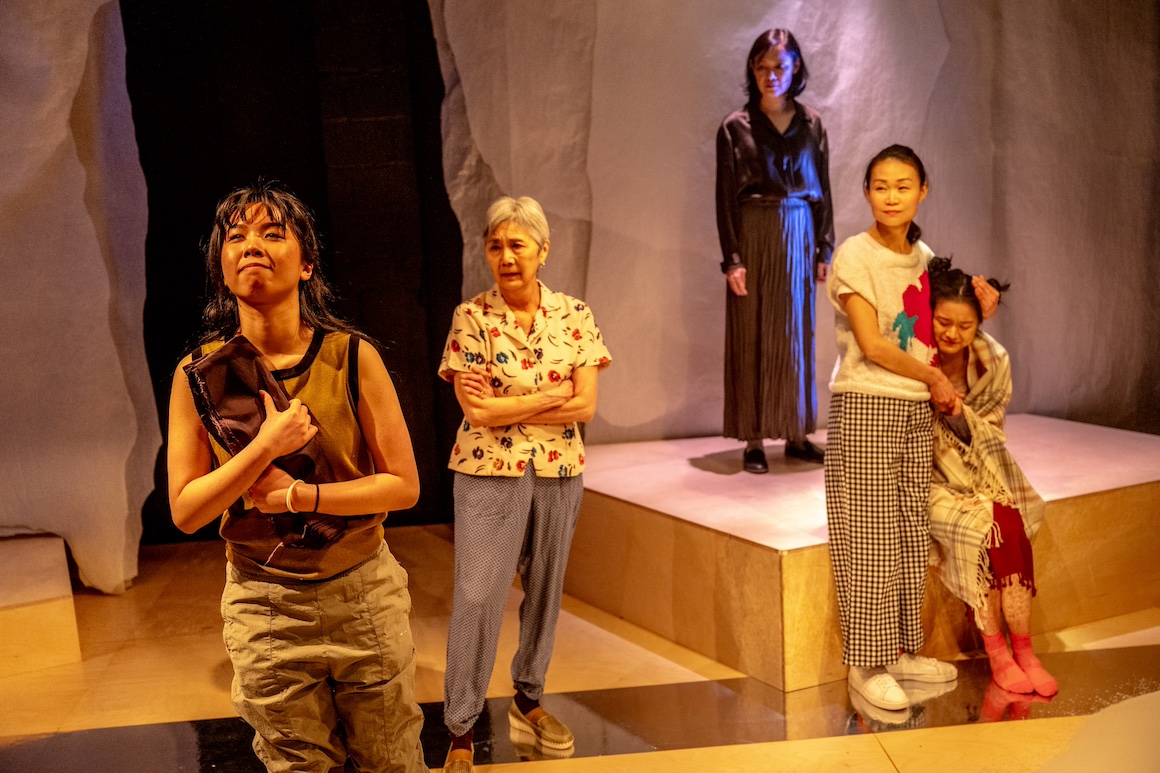
Erased; written and directed by Colleen Shirin MacPherson is currently running at Theatre Passe Muraille. It’s a surrealist black comedy about a post climate catastrophe capitalist autocracy. Unfortunately it doesn’t really hit the mark. To be fair, black comedy with a serious core is desperately difficult to do and about the only person I can think of who could bring off a successful treatment of this subject is Arnando Ianucci. This just isn’t in the ball park.

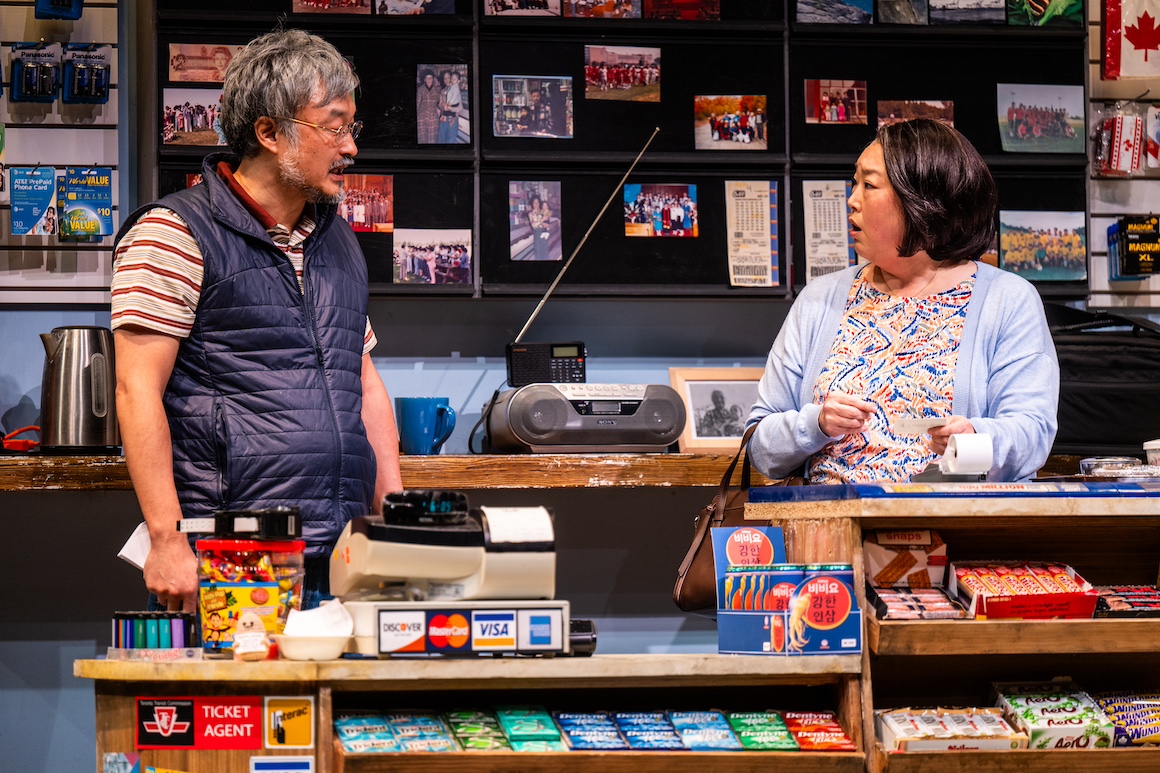
There was a certain amount of anticipatory buzz about Michael Ross Albert’s The Bidding War, directed by Paolo Santalucia, that opened at Crow’s Theatre on Wednesday night. Crow’s has built rather a reputation for punchy, darkly humorous, Toronto-centric plays. This time it’s basically a satire on the Toronto real estate market and the sharp practices of the real estate and property development industries and for the most part it hits the mark.

The Bee’s Knees is a new play with music, written and directed by Judy Reynolds, that opened at The Theatre Centre on Friday night. It’s set during and after WW1 and the main theme is women getting involved in politics in Canada and the often bizarre (by contemporary standards) opposition to that. It’s pure coincidence that it premiered a few days after the biggest setback for women’s rights in the western world in decades.

Samuel D. Hunter’s play The Case for the Existence of God, in a production directed by Ted Dykstra, opened at Coal Mine Theatre on Thursday night. It’s a story about the somewhat unlikely friendship between two would be single fathers in a small town in Idaho. It’s mostly pretty sad but with some really funny moments. We can come back to the God thing.

Mark Leiren-Young’s Playing Shylock opened at Canadian Stage on Wednesday night. It’s a one man show featuring Canadian stage, film and TV icon Saul Rubinek and directed by the equally venerable Martin Kinch. And it’s back where it all started for both of them in what was then Toronto Free Theatre on Berkeley Street (once, appropriately enough, a gas works).

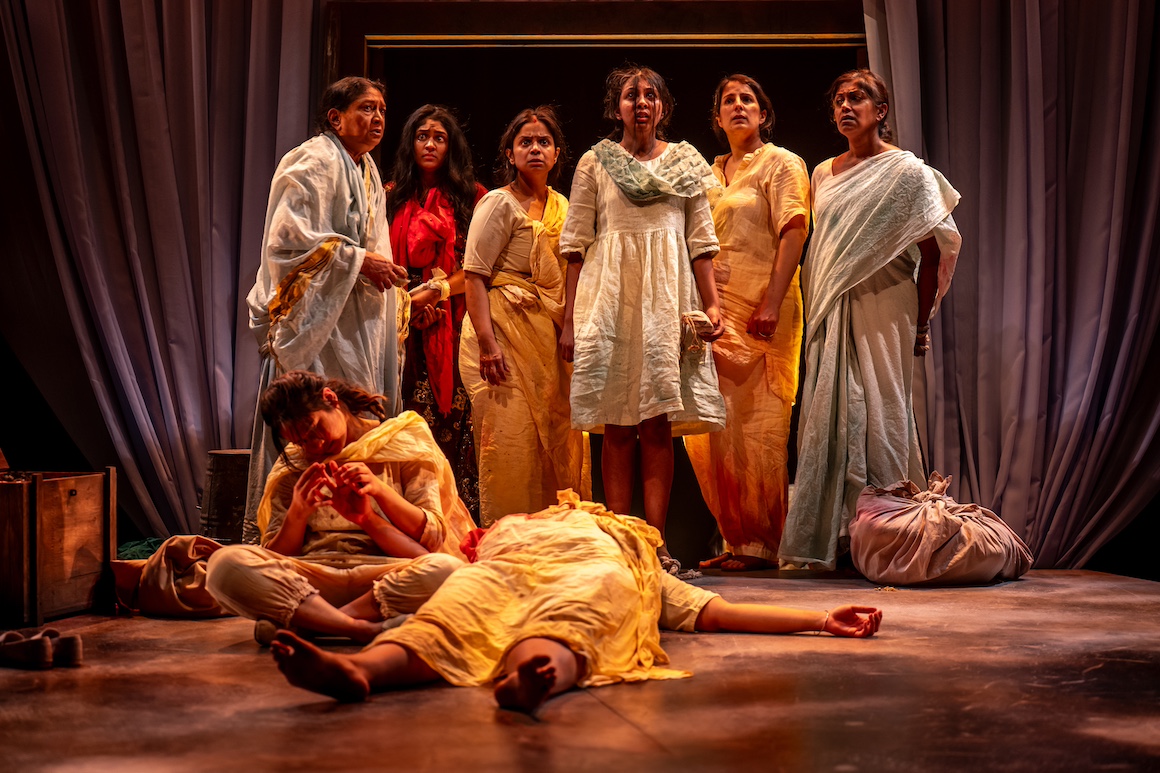
Sankofa: The Soldier’s Tale Retold is the latest and, probably, the last show from Art of Time Ensemble. It’s a bold and successful attempt at updating Stravinsky’s iconic work. The music is all Stravinsky but Titilope Sonuga’s libretto is new. It preserves the basic triad of Narrator, Soldier and the Devil but moves them to WW1 Canada. Our soldier is a Black Canadian of West African extraction who is trying to join the Canadian army, which rejects him because of his skin colour. His faith in his heritage, symbolised by the spirit bird Sankofa, with a little help from the Devil leads to the formation of the 2nd Construction Battalion, a non-combat unit, which was the only way Black Canadians could serve. He survives the war and returns from France to find that the same battles must be fought over (and over, and over) again.

I saw My Name is Lucy Barton; adapted for the stage by Rona Munro from Elizabeth Strout’s novel and directed by Jackie Maxwell on Wednesday evening. It’s a one woman show featuring an astonishing performance by Maev Beaty who is on stage for the entire play, which is little short of two hours long. She plays Lucy Barton and her mother and all the other characters are described not shown. In some ways it feels more like a book reading than a stage play.