A Tancredi for our times?

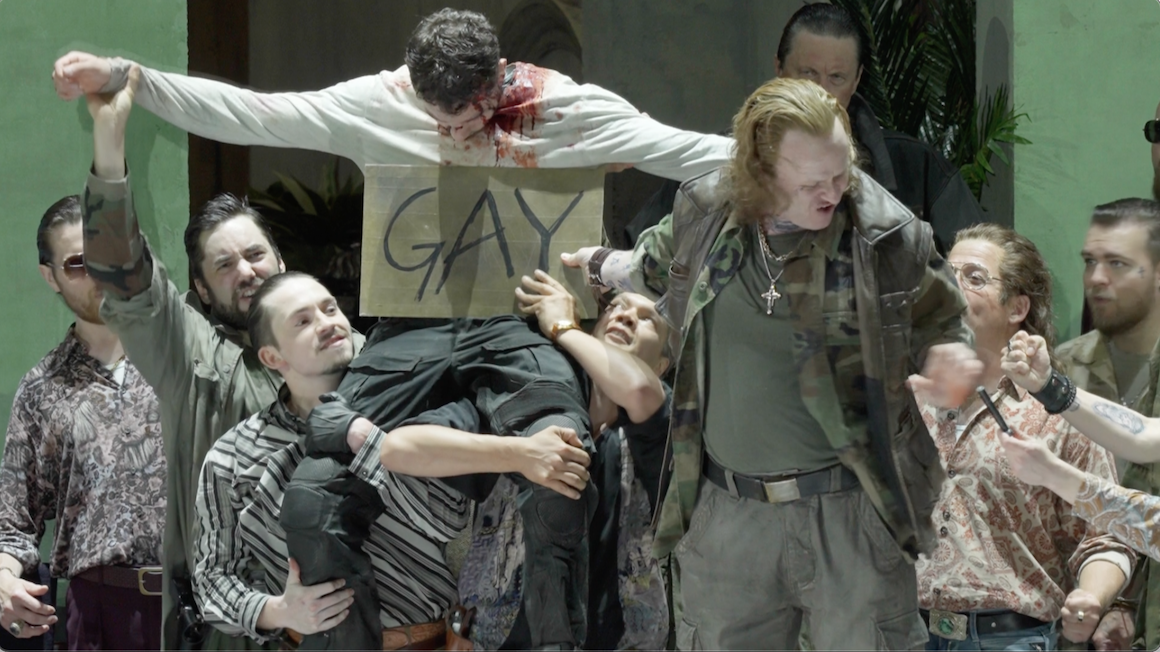
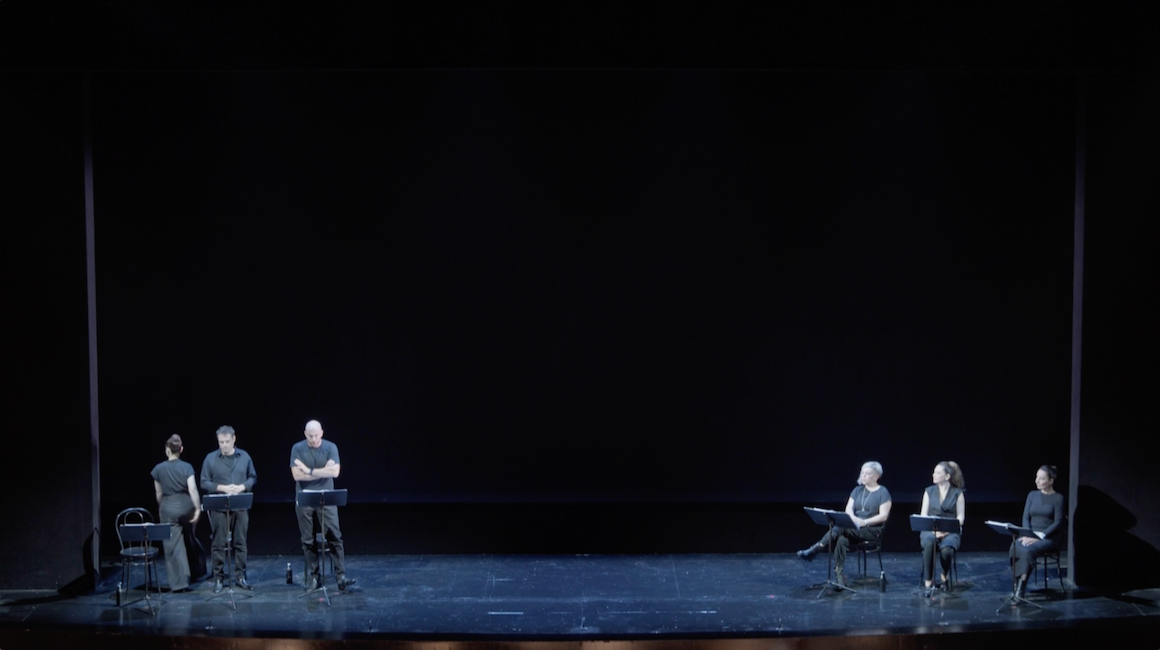
Rossini’s early opera seria Tancredi is set in Syracuse in the early 11th century and turns on two rival families coming together in the face a threat from both Byzantines and Saracens.  The hero is the knight Tancredi, secretly in love with the daughter of one of rival families.  Jan Philipp Gloger’s production filmed at Bregenz in 2024 updates it to the present with the families being rival drug gangs and the “threat” the police.  There’s a further twist.  Tancredi is a mezzo role and always sung by a woman.  Here Tancredi is played as a woman pretending to be a man; at least to everyone except her lover Amenaide.

Continue reading

Un Ballo in Maschera in the dark

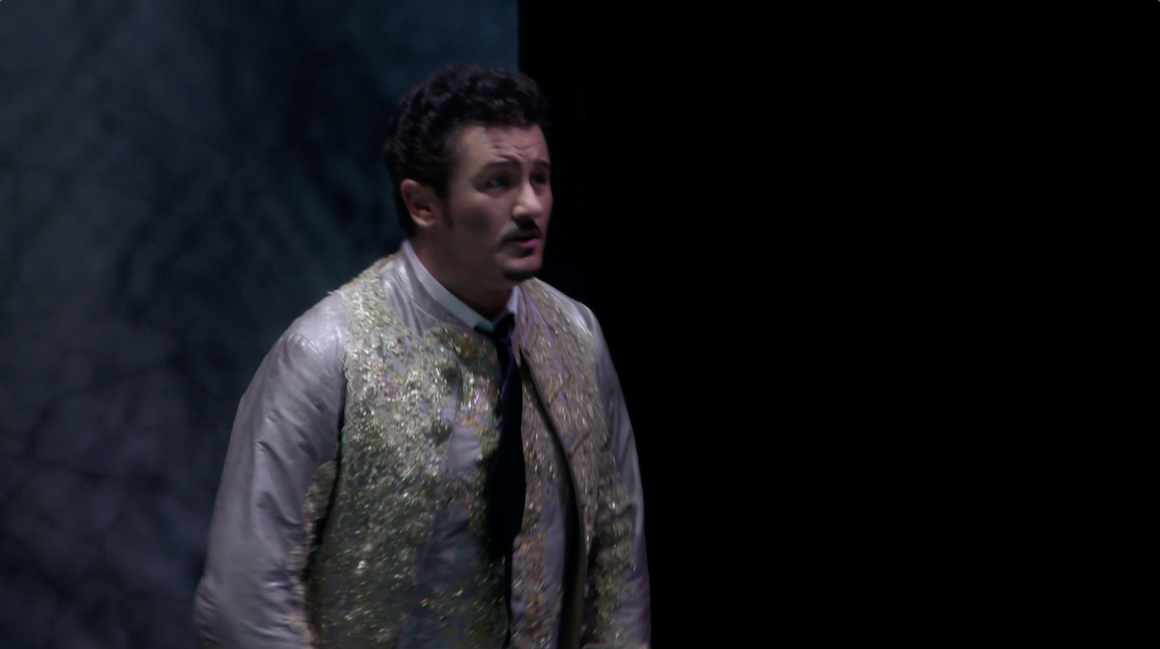
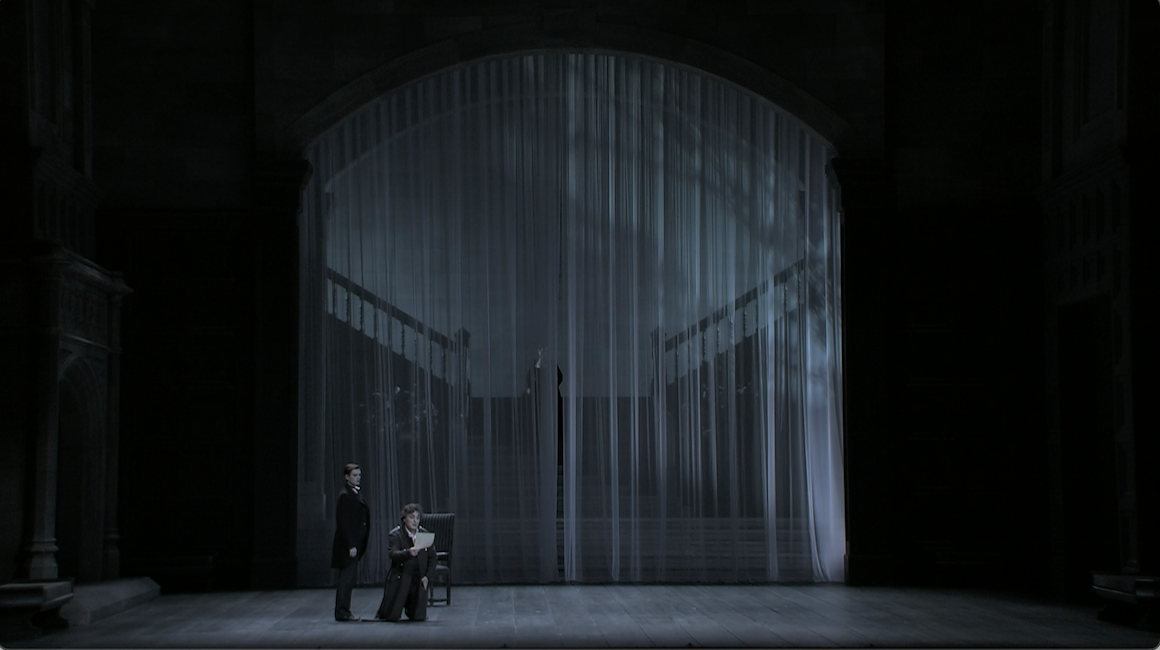
Vincent Boussard’s production of Vedi’s Un Ballo in Maschera staged and filmed at Barcelona’s Liceu in 2017 is dark.  Basically there’s a light box in which the characters at front of stage can be seen while others lurk in the darkness.  According to the notes Broussard is using light and shadow to bring out the themes of illusion and truth, duty and betrayal.  That sounds to me like cleverness masquerading as a production concept and bar a few striking visuals this is hardly a production at all.

Continue reading

Orphée as love triangle

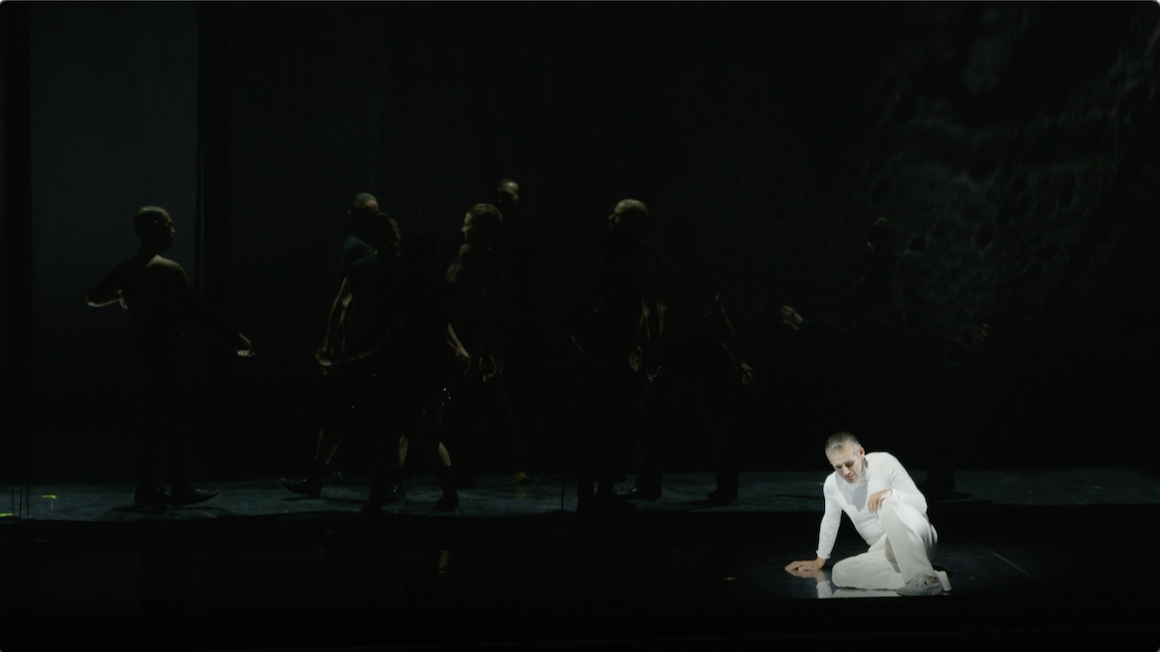
Gluck’s Orpheus opera; in either Italian or French guise, is usually presented as a short and cheery “love conquers all” with an uncomplicated happy ending.  Pierre Audi in his production of the 1774 Paris version of Orphée et Euridice, recorded at the Maggio Musicale Fiorentino in 2022 takes a different tack.  Here Amour, who is on stage 100% of the time, forms a love triangle with Orphée and Euridice and while she’s happy to work to reunite the lovers Orphée gets in a snit in the last act when he realises that her interest isn’t entirely altruistic and comes close to violence when the two girls show more interest in each other than in him!
Continue reading

Jurowski and Tcherniakov do War and Peace

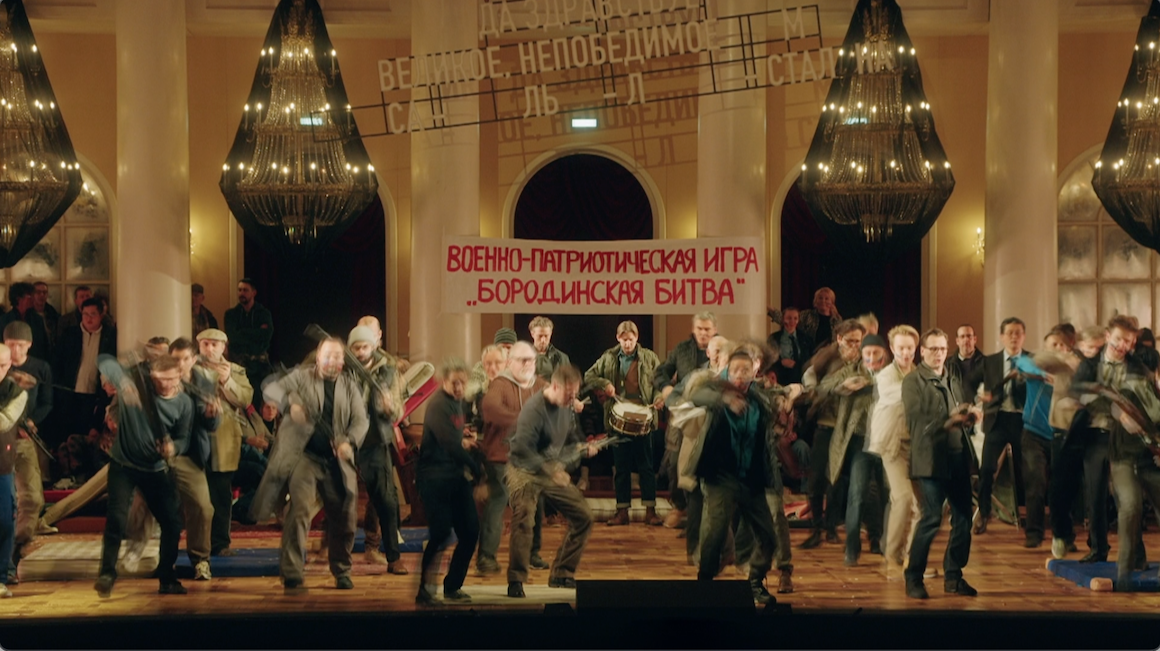
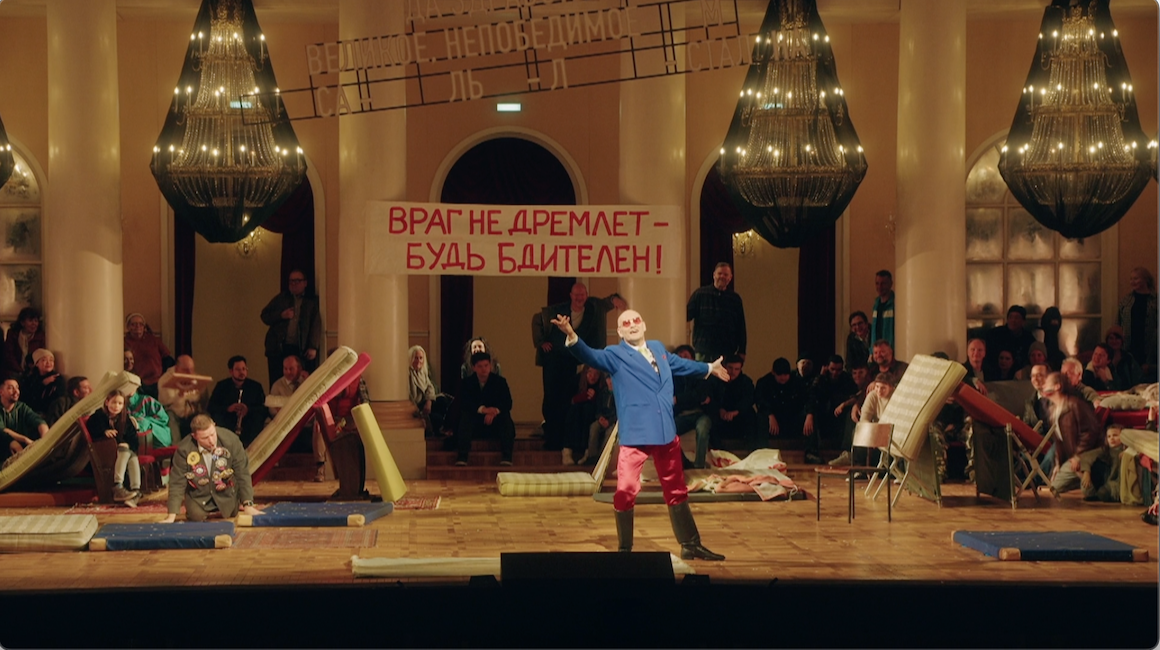
How does one do (if one does at all) a propagandistic Russian opera in the wake of the invasion of Ukraine.  Dmitri Tcherniakov and Vladimir Jurowski’s approach to Prokofiev’s War and Peace, filmed at Bayerische Staatsoper, is radical, complex and controversial.  See my full (and ridiculously long) review at La Scena Musicale.

Having your cake…

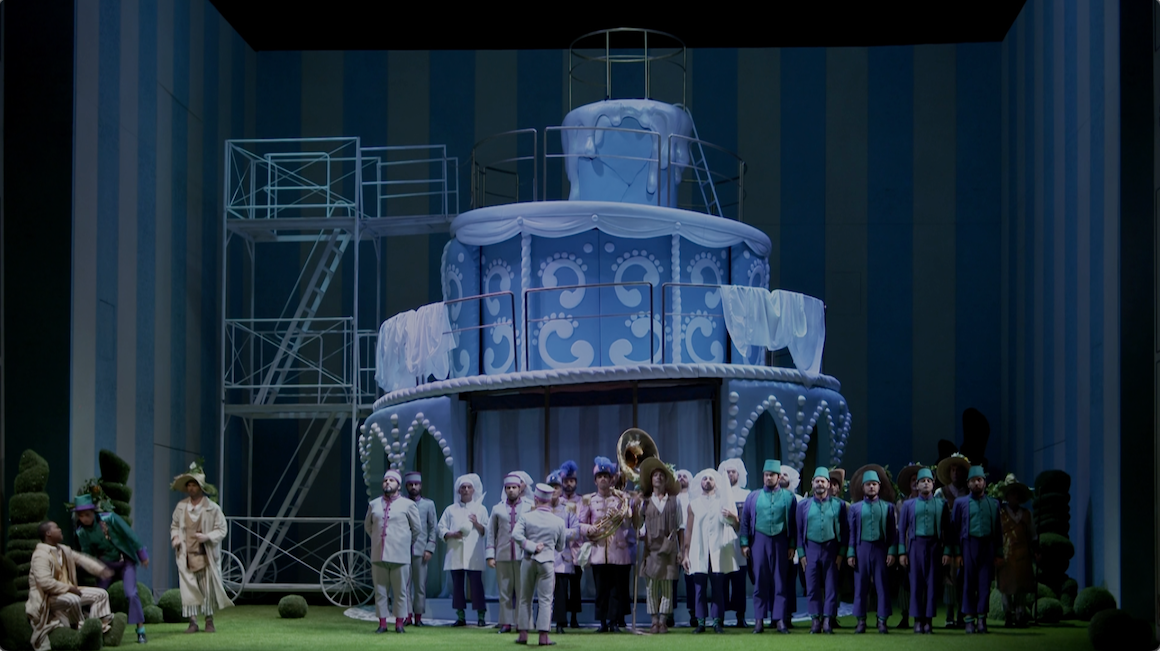
Rossini’s Adina was written in 18i8; two years after Barber of Seville, but wasn’t premiered until 1826 in Lisbon, after which it pretty much disappeared.  It’s a bit difficult to see why it fell out of favour, unless it’s because at 90 minutes or so it was considered too short, because it’s a pretty classic Rossini comedy with a silly but amusing plot and enjoyably frothy music.

Continue reading

Munich’s “new” Fledermaus

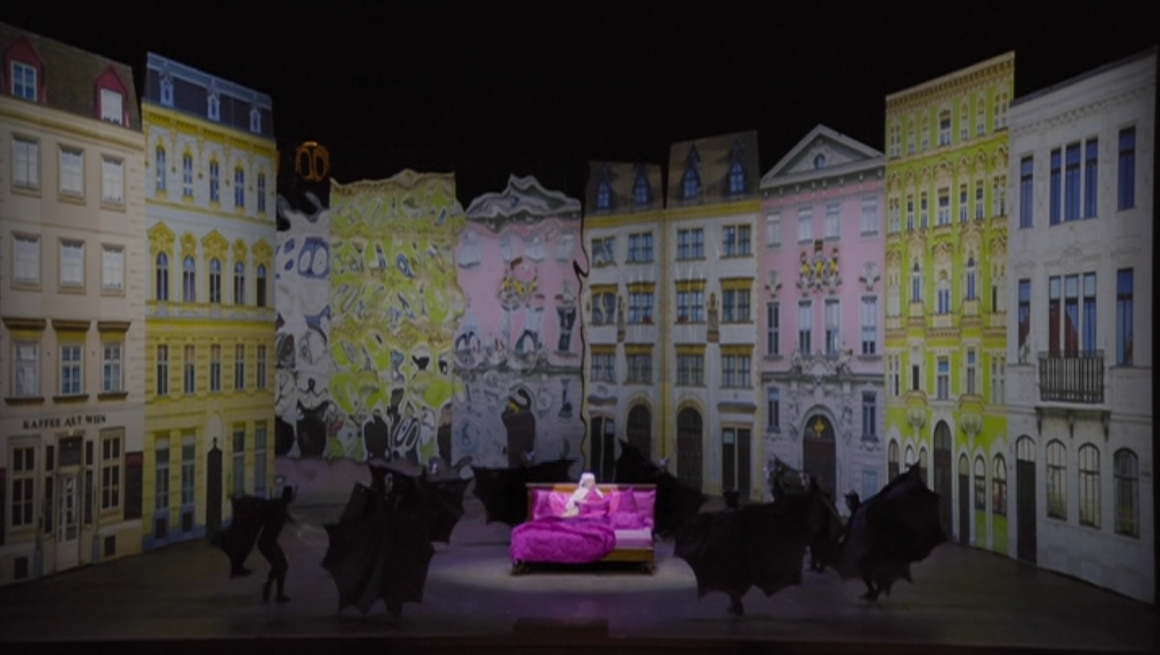
For many years Bavarian State Opera used a production of Johann Strauss’ Die Fledermaus that was created by Otto Schenk and Carlos Kleiber back in the 1980s.  It was replaced in 2023 with a new production by Barrie Kosky and Vladiimir Jurowski which was issued on video.

Continue reading

Garden of Vanished Pleasures

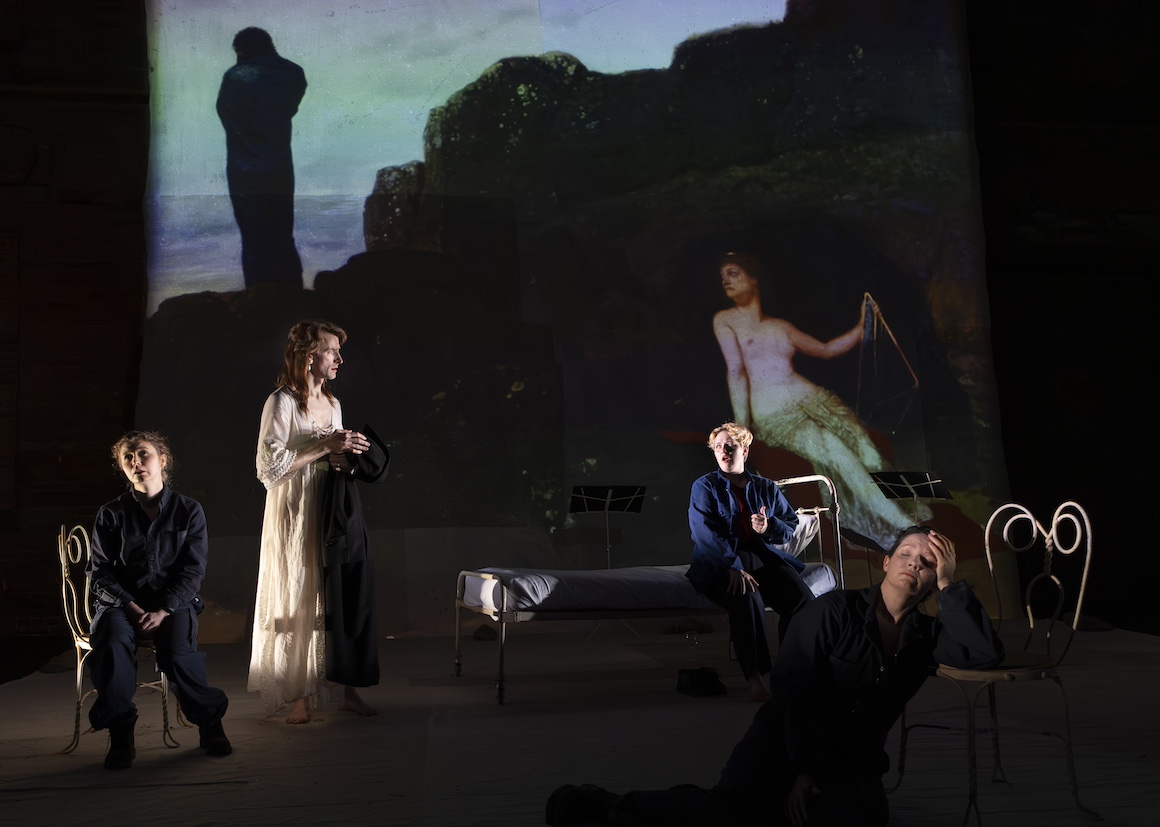
Tim Albery’s show; Garden of Vanished Pleasures, about Derek Jarman and his Kent coast garden was supposed to figure in Soundstreams 2020/21 season and we know what happened to that!  So, it was reengineered as a film and streamed in September of 2021.  I reviewed  it at some length for Opera Canada.  Now director Tim Albery has recreated it as a live show at the Berkeley Street Theatre.

Continue reading

Greyscale Macbeth

Christof Loy’s production of Verdi’s Macbeth filmed at the Liceu in Barcelona in 2016 is grey, very grey.  Costumes and lighting are such that one might think one is watching a black and white film.  The first, brief, touch of colour; some lights and bunches of flowers appears at the beginning of Act 4.  Beyond the greyness the vibe is essentially late 19th century and it’s pretty sparse.  It’s also very dark; at times almost unwatchably so on video (even Blu-ray).

Continue reading

Il Bajazet

Vivaldi’s pasticcio Il Bajazet was composed for carnival season 1635.  It sets an earlier libretto by Agostino Piovene concerning the defeat and capture of the Ottoman sultan Bajazet (Bayezid I) by the Tartar leader Tamerlano (Timur) in 1403.  Tamerlano is contracted to marry the Princess of Trebizond, Irene, but falls for Bajazet’s daughter Asteria to the consternation of his Greek ally Andronico who is in love with Asteria.  Various plot twists and turns happen before Bajazet poisons himself, Tamerlano marries Irene after all and Asteria returns to Andronico.  Andronico also has a sidekick Idaspe.

Continue reading