 To Redeemer Lutheran Church last night for the first of two Friday evening concerts in the West End Micro Music Festival. This one was an exploration of baroque music and its derivatives though to quote co-curator Brad Cherwin, “What is baroque music? I don’t even know anymore”. Amen to that.
The first section of the programme consisted of three pieces for strings and harpsichord conducted by Simon Rivard run together as one. I found Linda Catlin Smith’s Sinfonia a bit formless and hard to get into especially when contrasted with the “attack” of the Vivaldi pieces (Sinfonia RV 169 and Concerto for Four Violins RV 580). Excellent playing though and I did like the Vivaldi.
Nahre Sol claims that all her music derives from the baroque; Bach, Vivaldi, Rameau. Who am I to argue? I can hear those influences but also others. Minimalism for sure, but where is that not an influence today? Also jazz, but not, as perhaps more typical, “the blues”. It’s more a cool jazz, sort of like John Dankworth. It flirts with schmaltz but recoils (in horror?) just when you think the saccharometer is going to go off the scale. It was interesting to hear it come together especially in the pieces scored for keyboards (variously piano, electronics, harpsichord with Sol often playing two at once), bass (both double and electric played by Ben Finley), with John Lee on Korean percussion. This section consisted of five pieces; three by Sol, one by Finley, one a collaboration. Tides (Sol) and Unexpected Turn (Finley) set the tone but it was the collab; Leaping Lightly and Sol’s Roundabout Bach that caught my attention most. They both use percussion in quite a visceral way with echoes of military march and tribal dance spiking the jazz/baroque soundscape to dramatic effect.
Continue reading →


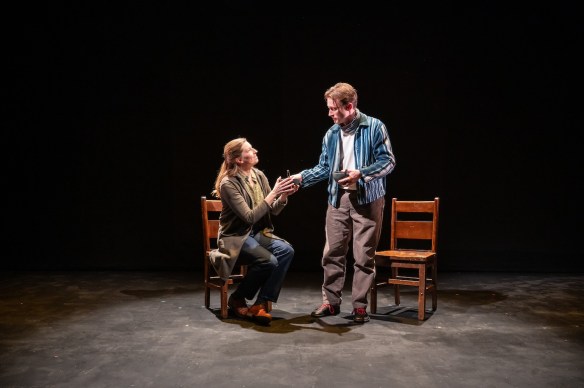
 Once in a while one comes across a really impressive new opera and I would put The Lord of Cries; music by John Corigliano, text by Mark Adamo, into that category. It’s an example of how opera is good at telling “big stories”. In this case the base material is Euripides’ Bacchae but Adamo has relocated it to 19th century London and very cleverly layered onto it the core elements of Bram Stoker’s Dracula to create a multi-layered and subtle psychological thriller.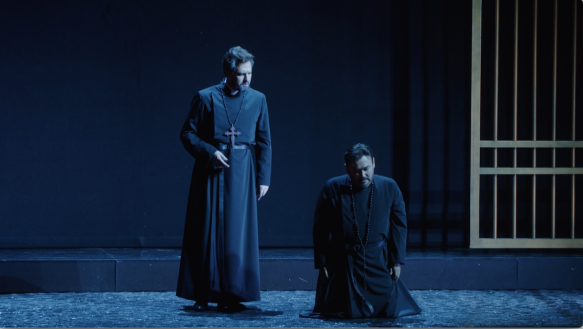
 First some late calls for November:
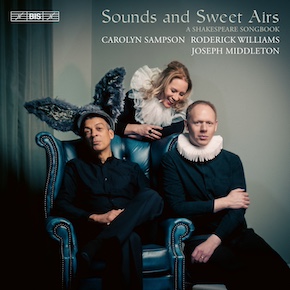 Sounds and Sweet Airs: A Shakespeare Songbook is a long and unusual CD by Carolyn Sampson, Roderick Williams and Joseph Middleton. The songs set texts (mostly) by Shakespeare but some of it is translated into German or French and in the case of Hannah Kendall’s Rosalind it’s fragments stitched together. Some of the material will be familiar to amateurs of art song but less than one might expect. There’s no Finzi or Quilter!
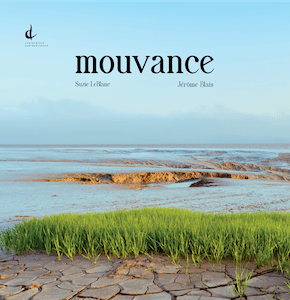 mouvance is a CD of music by Jerome Blais performed by Suzie LeBlanc (soprano), Eileen Walsh (clarinets), Jeff Torbert (guitars), Norman Adams (cello) and Doug Cameron (percussion). At first glance it looks like a set of songs or maybe a song cycle in the sense that it sets a series of French texts by various writers. In fact it has its origins in a multi-media show about, to quote Blais, “the universal themes of movement, migration and uprooting”. I think this is why I found it more satisfying to think of it as an integrated whole because there’s really no sense of separation between the “songs”.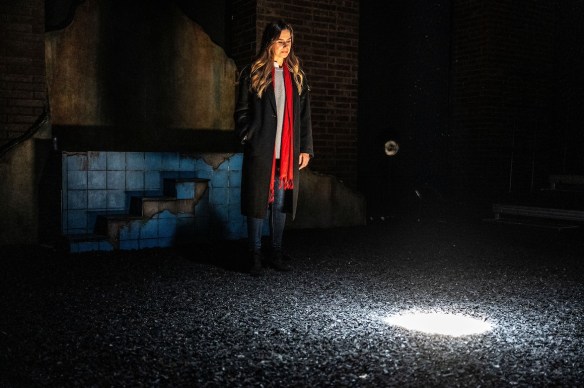
 operaramblings