

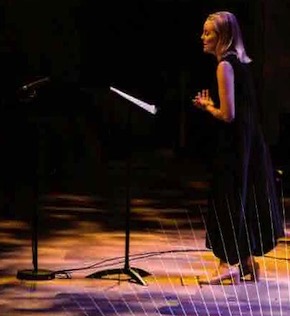
 Soundstreams is the latest local organisation to make the return to live performance with an audience with a concert Thursday night at St. Andrew’s Church titled A Love Song to Toronto. Three of the works on the program; Vivier’s Hymnen an dir Nacht and Lovesongs plus Christopher Mayo’s Oceana Nox, appeared in a streamed concert in November and I described them in some detail in reviewing that show. The performers were the same as well bar one. Pianist Serouj Kradjian replaced Gregory Oh . I don’t think my impressions of the pieces have changed much but I really appreciated the greater immediacy of a genuinely live performance.
A Love Song for Toronto
Reply
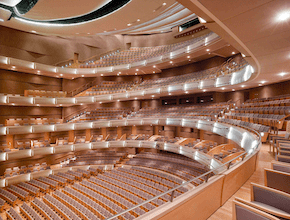 So no big launch event to herald the COC’s 2022/23 season announcement, just an email. I’m not surprised because if the season had been announced in front of a large crowd at the Four Seasons Centre there would probably have been a riot. There are six productions on the main stage and each gets only seven or eight performances for a total of 45 which is the lowest since the house opened. Five of them are revivals and there’s no Parsifal. I begin to think that I have more chance of finding the Holy Grail than ever seeing Parsifal in Toronto.
 Toronto Summer Music is back for real with the festival running from July 7th to 30th. There are 26 main stage concerts plus the ReGENERATION and shuffle concerts and the community programmes. The main stage line up has now been announced and here’s my curated pick:
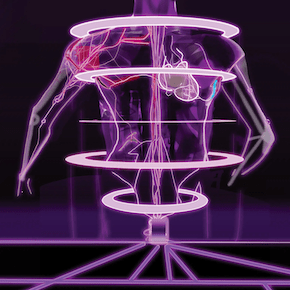 It’s not much of a secret that I’m a bit fanatical about new opera. This year Tapestry has two really exciting looking premieres in Toronto. Later in the year there’s Brian Current’s Gould’s Wall which, as an ex climber, I just have to see but first, in fact coming up next month, is RUR: A Torrent of Light by Nicholas Billon and Nicole Lizée. It’s about robots and it’s a collaboration with OCAD U who are developing some way cool technology for the show. There’s now loads of really good preview material about the show on Tapestry’s Youtube channel. So I have two suggestions to make: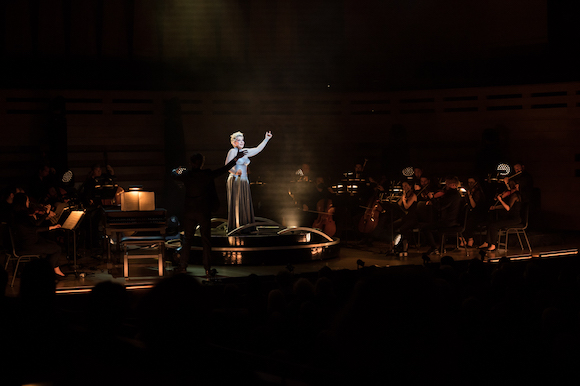
 operaramblings