
 Here’s a look ahead to March.
March 3rd and 5th, Opera York are presenting Mozart’s The Magic Flute at the Richmond Hill Centre for the Performing Arts. Details are here. Also on the 5th at 1pm Opera Revue are playing a new venue; The Aviary in the Canary District. (They are playing another new venue, Granite Brewery, on the 12th. Opera Revue your source for craft beer!) And the following night at 7.30pm it’s AtG’s Opera Pub at the Drake at 7.30pm.
From the 9th to the 12th it’s UoT Opera’s spring offering at the MacMillan Theatre. This year it’s Arthur (not George) Benjamin’s A Tale of Two Cities. Benjamin is probably the only opera composer to be shot down by Hermann Göring. I’m not sure what, if anything, that says about his music.

 January is looking quite promising on both the music and theatre front but there’s not a lot of opera… Here’s what’s in my agenda.
 The line up for this year’s (and a bit of next’s) 21C at the Royal Conservatory has been announced. The full line up is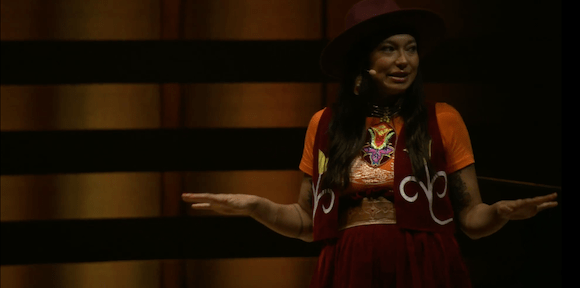

 September 21st at 8pm Soundstreams have a choral concert at Koerner Hall. It’s called Choral Splendour and features Soundstreams’ Choir 21 with Meghan Lindsey, Rebecca Cuddy, Owen McCausland and Alain Coulombe in a programme of music by Frehner, Pärt and Vivier. Vivier’s Zipangu will be accompanied by a live dancer and a film created by Michael Greyeyes.
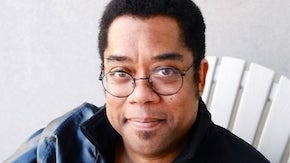
 September 30th also at Koerner Hall at 8pm there’s a free concert to commemorate National Truth and Reconciliation Day. Sarain Fox MCs a mixture of the solemn (testimony from a residential school survivor) and the less solemn (Tomson Highway with excerpts from Songs in the Key of Cree), drumming, dancing and the piano quintet version of Ian Cusson’s Marilyn Dumont songs sung by Rebecca Cuddy with the New Orford Quartet and philip Chiu. If you haven’t heard these songs you should and if you have, but haven’t heard this arrangement, see them anyway because this is the best version! This show is free but ticketed and tickets are going superfast.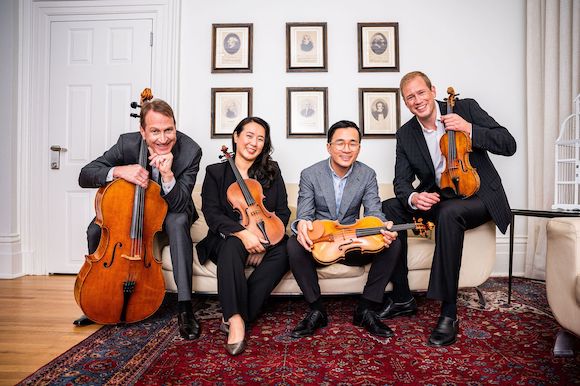

 Today at 4pm in The Music Garden (Harbourfront) there’s a free concert of music by Métis composers performed by Rebecca Cuddy and the Wood and Wire Quartet. Here’s the full program:
 operaramblings