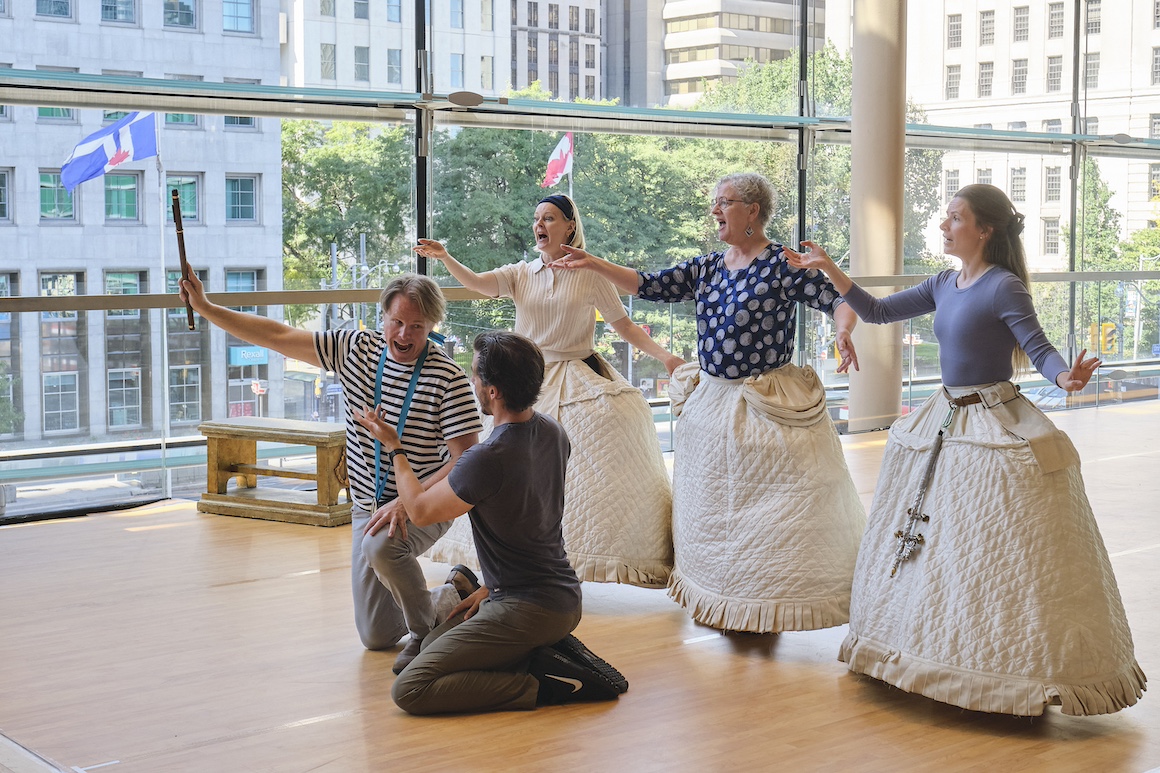
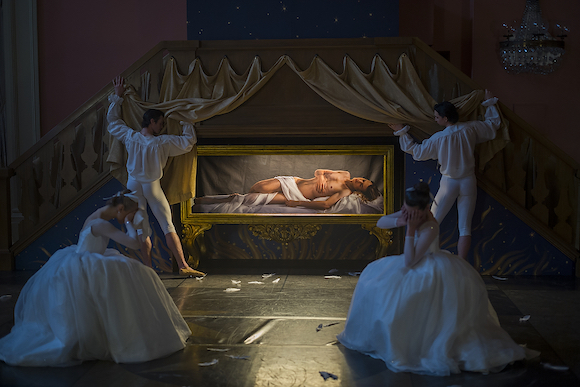
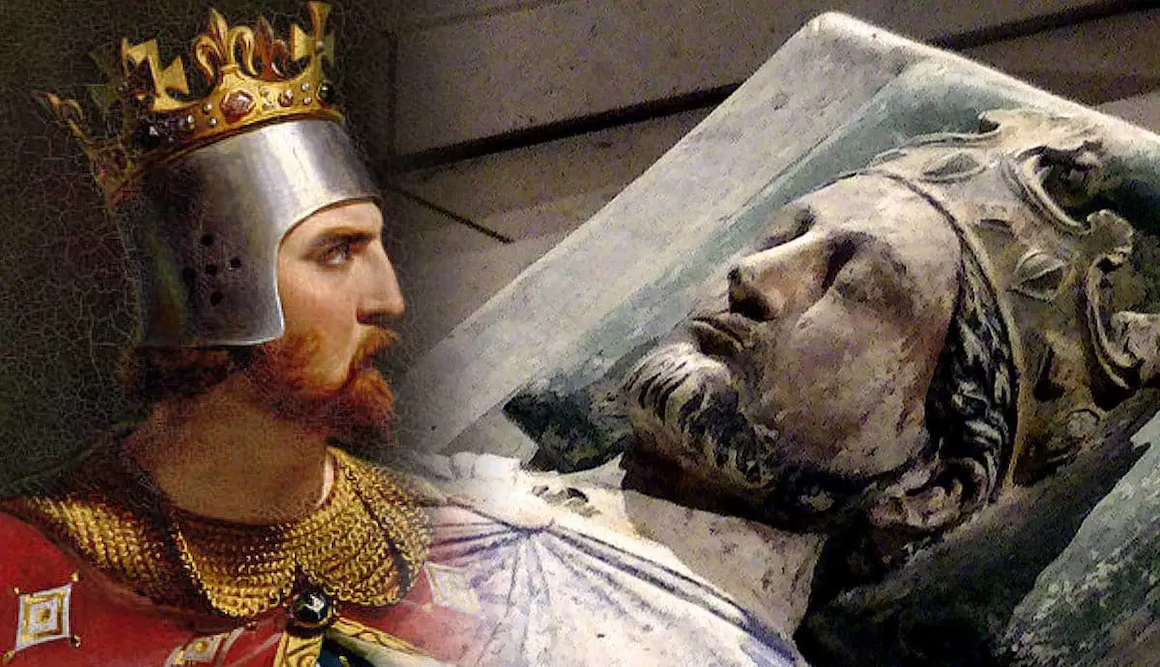
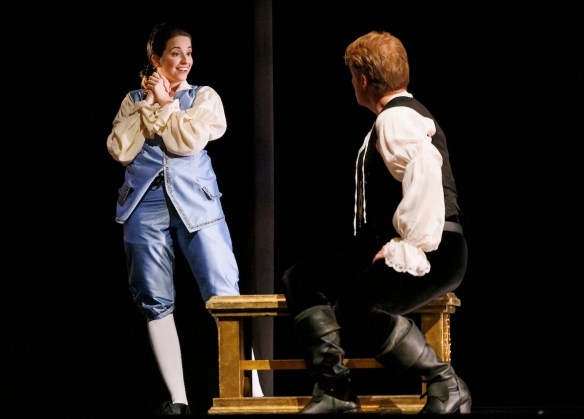
Opera in Concert opened their season at Trinity St. Paul’s on Saturday with the Canadian premiere of André Grétry’s 1784 opéra comique Richard Coeur-de-Lion. This is very loosely based on the story of Richard’s imprisonment by Leopold of Austria while returning from the Third Crusade. Richard’s man Blondel; disguised as a blind minstrel, discovers Richard’s place of imprisonment by playing a tune that Richard wrote. He then enlists the help of the Countess of Flanders, in love with Richard, (which would have come as a surprise to Berengaria of Navarre) and a Welsh knight; improbably styled Sir Williams, who his now (also improbably) running an inn in Austria and his daughter, Laurette. The governor of the castle where Richard is imprisoned, Florestan, in turn in love with Laurette, is tricked and Richard is freed to great rejoicing. (As opposed to a whopping ransom being paid!)
Tag Archives: ainsworth
Magic Flute preview
Opera Atelier’s fall offering this year is a remount of the Magic Flute in essentially the version that first appeared in 1991. It’s sung in English and we got a preview in the RBA on Thursday. It was basically a working rehearsal of the opera’s opening plus a few other scenes with Chris Bagan at the piano.
Alceste in concert
Sunday afternoon saw VOICEBOX:Opera in Concert’s first performance in their new home; Trinity St. Paul’s. The offering was Gluck’s Alceste in the French language 1776 Paris version. Lauren Margison sang the title role with Colin Ainsworth as Admète. Guillermo Silva-Marin directed.
Trinity St. Paul’s has advantages and (perhaps) disadvantages over the Jane Mallett. It’s significantly better acoustically but much harder to do much in the way of staging. It’s a church and it looks like one with lots of carved wood and stained glass! I’m not sure that this is a disadvantage though. Rudimentary blocking with entrances and exits for the principals and concert wear is fine with me given that in either venue full staging wasn’t/isn’t very practical. The value proposition is more around getting to hear operas live that no-one else in Toronto is likely to do. I’m fine with that. Continue reading
All is Love
All is Love, which opened Thursday night at Koerner Hall, is a remount of the 2022 Opera Atelier show which, for various reasons, nobody much saw. It’s a staged series of quite eclectic (mosly) opera and ballet excerpts around the theme of “love”; which means pretty much anything goes.

Opera Atelier 2024/25
Opera Atelier have announced the line up for their 2024/25 season. As with other recent seasons there’s one show at the Elgin Theatre and one at Koerner Hall.
The first show, October 24th – 27th, 2024, is Handel’s Acis and Galatea at the Elgin. I’m not going to complain about more English language Handel! Bring it on. This show is indicative of the growing relationship between OA and Versailles with French tenor Antonin Rondepierre in the role of Acis and Blaise Rantoanina singing the role of Damon. The cast is completed by Meghan Lindsey as Galatea (yea!) and Douglas Williams as Polyphemus. Christopher Bagan conducts which is also nice to see. Continue reading
TSO Messiah
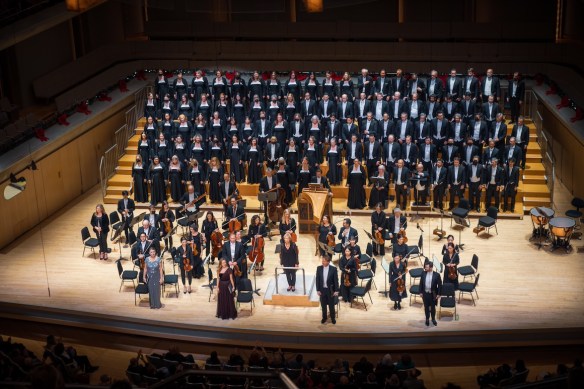
This year’s Messiah at the TSO is a fairly small scale affair by TSO standards. There’s still the 100+ strong Toronto Mendelssohn Choir but the orchestra is quite small; 12 violins, 6 violas, 4 cellos, 2 basses, 2 oboes and bassoon, plus Christopher Bagan on a sort of monster harpsichord/organ combo. There were two trumpets in the gallery for “Glory to God” and they were back (on stage) with timpani for the Hallelujah chorus and part 3. With Jane Glover conducting it felt like it was almost in Tafelmusik territory.

Restrained Orphée
There’s quite a lot to like in Opera Atelier’s current production of Gluck’s Orphée et Euridice currently running at the Elgin Theatre. It’s elegant and refined with some pretty good singing but maybe it’s a bit too refined. It’s at its best in things like “The Dance of the Blessed Spirits” where there’s an effective pas de deux danced in pointe shoes though I’m not sure it was really necessary to use enough “smoke” to fill the entire auditorium! Unfortunately, the production doesn’t make much of the potentially more dramatic moments. Orphée’s confrontation with the Guardians of Hell is pretty low key. The demons are just dancers in slightly stripey body stockings and there’s no sense of menace. It’s all a bit Robert Wilson. Until the ending, which suddenly switches aesthetic with glitter and streamers and dancers with a Scrabble set.

Opera Atelier’s upcoming production of Handel’s The Resurrection
Ahead of Opera Atelier’s upcoming production of Handel’s The Resurrection (La resurrezione) at Koerner Hall next week (6th to 9th April) there was a lunchtime preview in the RBA on Tuesday. Later that day I sat down with director Marshall Pynkoski to find out more about the work, OA’s relationship to it and its rather tortuous journey to the Koerner Hall stage.

Dido and Aeneas preview
Wednesday’s RBA concert was a preview of Opera Atelier’s upcoming production of Purcell’s Dido and Aeneas. Something between a performance of excerpts and a working rehearsal it featured Marshall Pynkoski introducing a series of excerpts for both singers (in rehearsal dress) and dancers (in costume). He provided a good linking narrative situating each excerpt in the context of the work together with some general remarks about the nature and origin of the piece.
We got Meghan Lindsay (Dido) and Mireille Asselin (Belinda) with the opening duet. They wre joined by Colion Ainsworth (Aeneas) for “see, your royal guest appears” followed by the triumphing dance by two members of the OA ballet. There was some serious witchiness from Danielle MacMillan and Cynthia Smithers, more dance and Mireille with “Thanks to these lonesome vales” before a very dramatic account of the final confrontation between the lovers and Dido’s famous lament. Continue reading
Angel
Opera Atelier’s new film Angel premiered last night. It consists of six scenes which, we are told, can be performed as a sequence or individually. There’s a basic theme of “angels” and the texts are drawn from Milton and Rilke (in translation). The score is by Edwin Huizinga and Christopher Bagan with some of the dance music being actual baroque works.