Back in December 2012 I reviewed the 500th performance of Dean Burry’s opera for children, The Brothers Grimm. On Wednesday I went to the 25th anniversary performance in the RBA. It was packed; with loads of kids, some quite young.
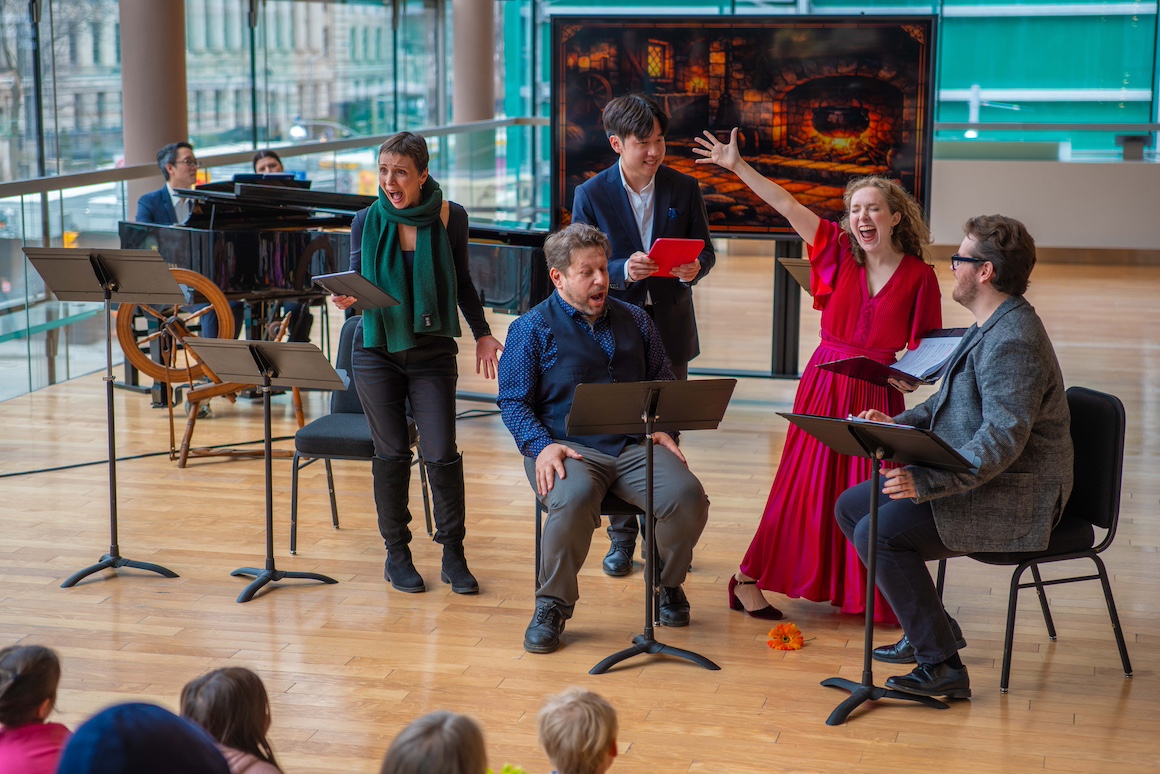

Back in December 2012 I reviewed the 500th performance of Dean Burry’s opera for children, The Brothers Grimm. On Wednesday I went to the 25th anniversary performance in the RBA. It was packed; with loads of kids, some quite young.
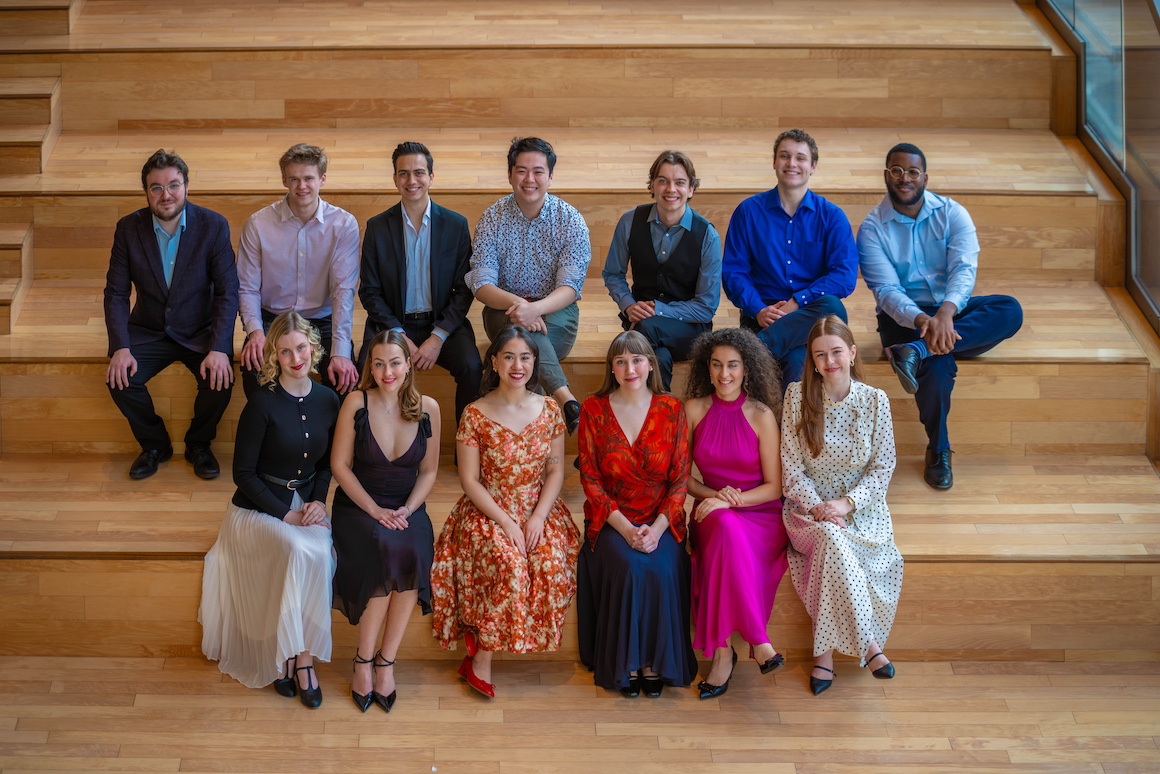
Tuesday’s concert in the RBA was given by students from the France-Canada Academy of Vocal Arts currently being hosted by the UoT Faculty of Music. The music was a range of mélodies, all in French, by French and Canadian composers.
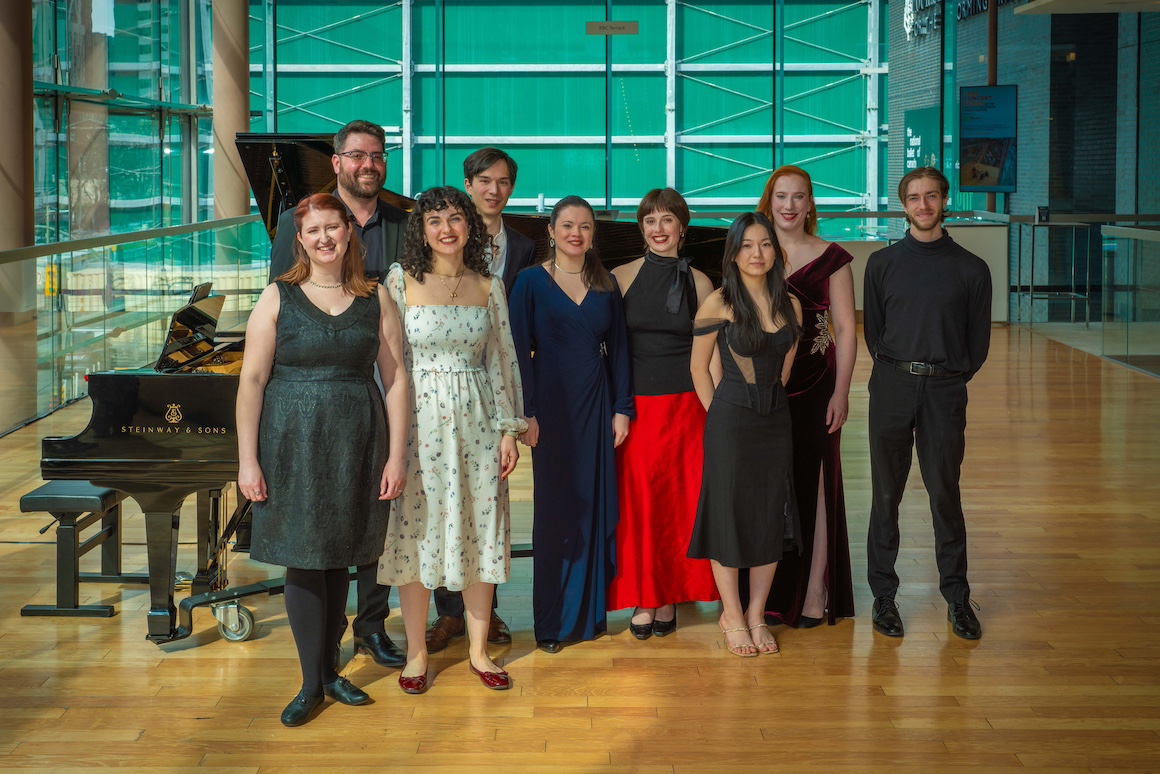
 Soprano Mélina Gerbith and pianist Olivier Seuzaret performed first. Achille Fortier’s ici-bas was followed by Francis Poulenc’s Trois poèmes de Louise de Vilmorin. The Poulenc seemed particularly well suited to Mélina’s rather bright soprano. There was plenty of scope to be playful and she did show off some interesting colours lower in the voice.
Mezzo-soprano Aimée Harness accompanied by Zhilin Xiao gave us Maurice Ravel’s “La flûte enchantée” from Shéhéazade and Poulenc’s Miroirs brûlants. Aimée sang with really good diction and was appropriately dramatic in the Poulenc while maintaining excellent control. Really nice.
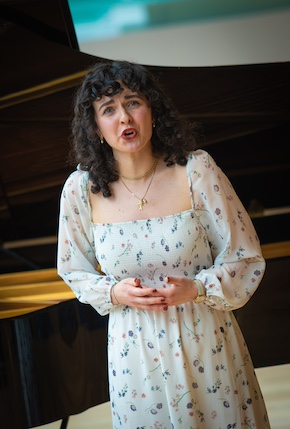 Next up were mezzo Taline Yeremian and pianist Rebeca Lluveras Matos with quite a varied set. Auguste Descarries’ En sourdine and Jules Massenet’s Les mains are quite solemn pieces and were sung in quite a bright tone but with some gravitas. I thought though that Yeremine sounded more at home in the much livelier “Villanelle” from Hector Berlioz’ Les nuits d’été, which was sung with appropriate vivacity. All in all, a nicely contrasted set of songs.
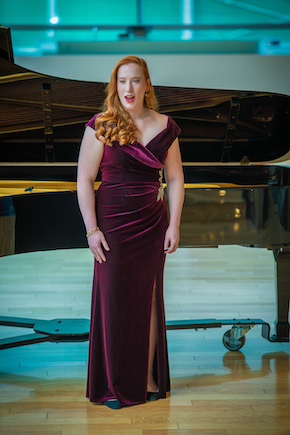 And so on to soprano Marion Germain accompanied by Ludovic Rochon. It was a nicely contrasting set. The two songs from Jacques Hétu’s Les Clartés de la nuit were very different. “Thème sentimental” is quite pastoral and sat nicely for Marion’s bright soprano. “Les corbeaux” is much darker and more dramatic and she brought out those qualities very well too. The set closed with Henri Dutilleux’ San Francisco Night which was also pretty dark and gritty and sung with pleasing restraint..
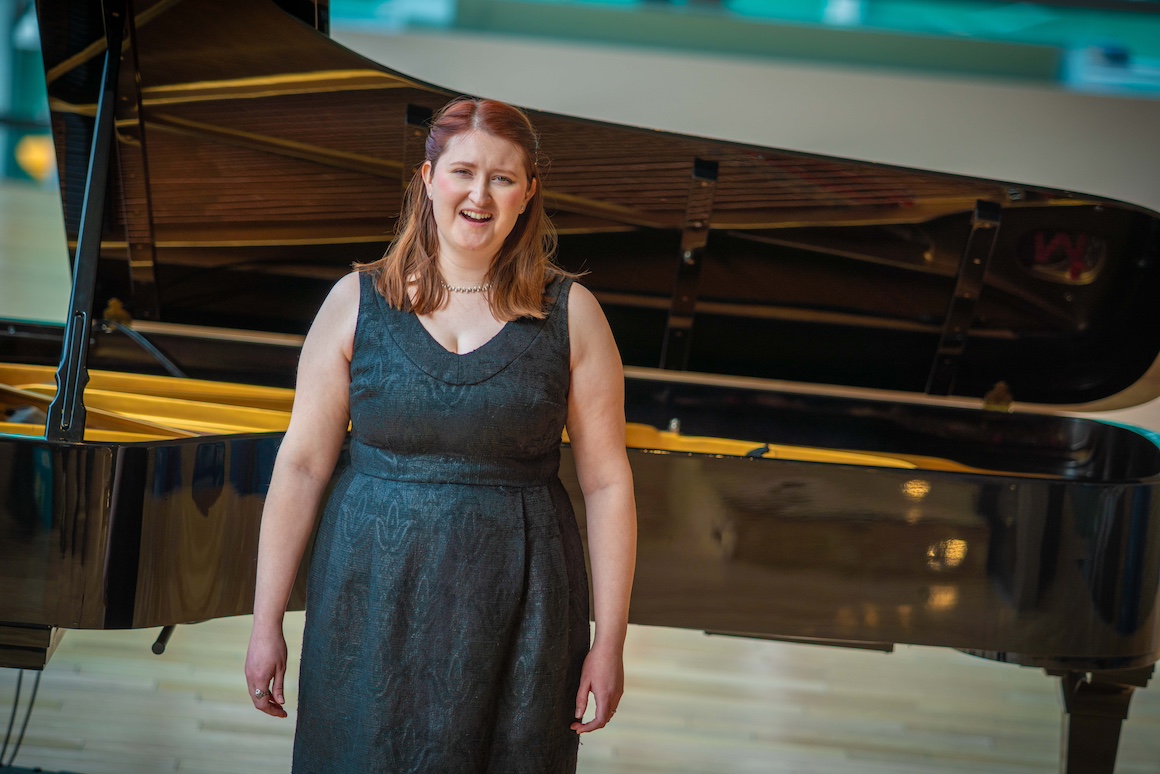
Last to sing was our third mezzo Kyrsten Chambers-Jones accompanied by Brock Tjosvold. Lots of contrast again in two songs from Poulenc’s Cinq Poèmes de Pierre Ronsard. “Le tombeau” is essentially a meditation on death and got treated appropriately. “Ballet”, on the other hand, is pretty playful, even cheeky, and Kyrsten changed up accordingly. She finished up with two songs from Keith Bissel’s Quatre chansons sur des poèmes du vieux français. “D’un vanneur de blé, aux vents” feels quite “Amertican” in some ways and it has a lovely melody sung quite beautifully. “Sonnet pour Hélène” is also rather beautiful but it’s also darker and more dramatic allowing Kyrsten to show off quite a bit of well controlled power.
All in all an enjoyable hour of well chosen songs performed really rather well.
Photo credit: Karen E. Reeves
Next month the opera programme at the Glenn Gould School will be offering a double bill of Rossini’s La cambiale di matrimonio and Puccini’s Gianni Schicchi.. On Tuesday there was a concert of excerpts from the two operas in the RBA.
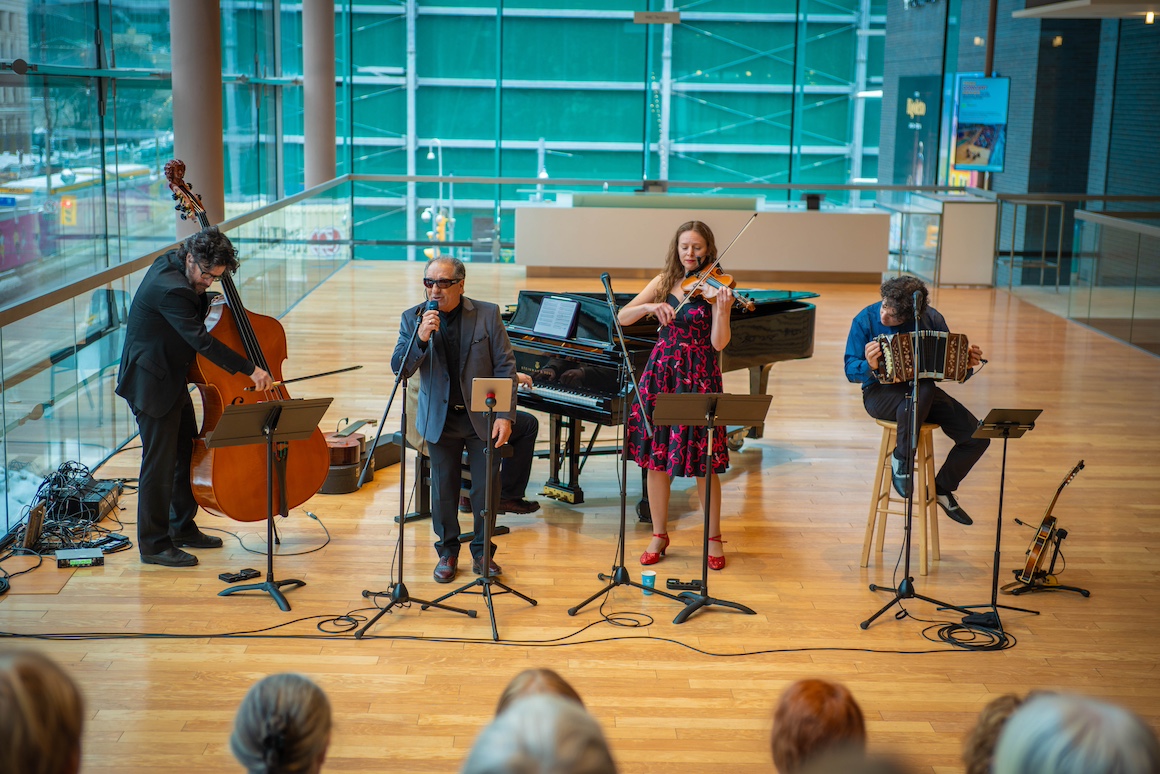
Last Wednesday’s lunchtime’s concert in the RBA was given by Payadora Tango Ensemble with guest vocalist Elbio Fernandez. I’ve been following pretty much every musical initiative from the dynamic duo of Rebekah Wolkstein and (Grammy winner) Drew Jurecka for a while now. From the Venuti String Quartet, to Schmaltz and Pepper (of course) to Justin Gray’s Grammy winning Immersed and Wednesday’s avatar Payadora Tango Ensemble.
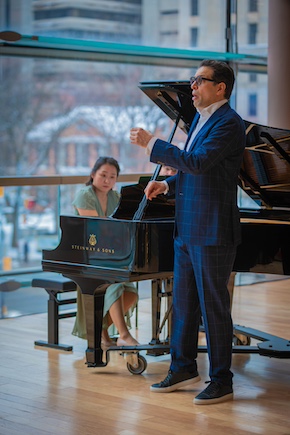 Bass-baritone Luca Pisaroni is currently appearing as Basilio in The Barber of Seville at the COC. On Tuesday he gave a noon hour recital in the RBA accompanied by Hyejin Kwon. There were two halves to the programme; Schubert’s Schwanengesang D.957 and a set of six Italian songs by Francesco Paolo Tosti.
Despite having seen Pisaroni live twice before in recital I’d never heard him sing German Lieder so the Schubert was especially interesting. It was good. He can be as dramatic or as lyrical as he needs to be with quite a range of dynamics and colour. “Der Atlas” was powerful and emphatic while “Das Fischermädchen” was really rather lovely. “Der Doppelgänger” was very controlled with any temptation to over sing it resiosted. I also noted some really interesting piano playing in “Die Stadt”. Continue reading
Thursday’s noon hour in the concert was a really great idea; combine the COC Ensemble Studio with the COC Orchestra for an all Mozart concert. Mozart’s Symphony No.35 in D major (Hafner) was split into into its four movements with pairs of arias inserted between the movements to create what Johannes Debus, conducting, described as an opéra imaginaire. It worked really well.
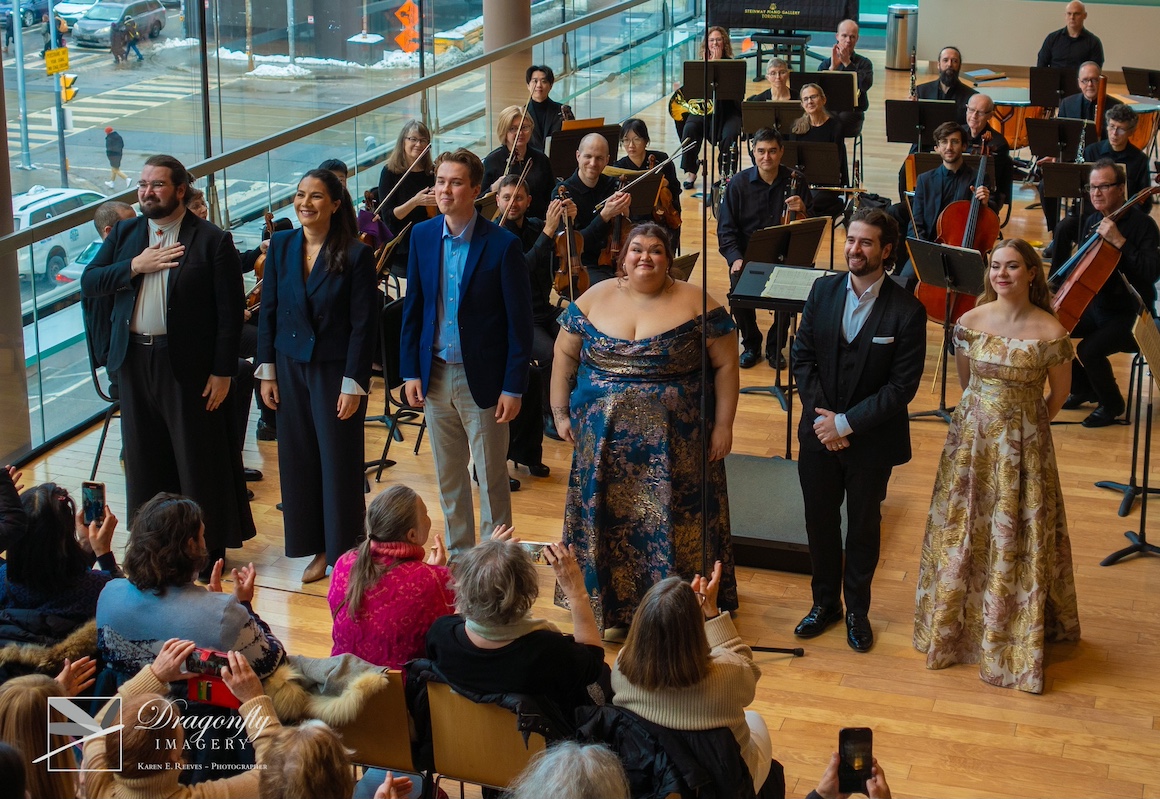
Tuesday’s lunchtime recital in the RBA, the first of 2026, was given by Israeli mezzo-soprano Michal Aloni and pianist Alona Milner. All the music, most of it Hebrew language art song, was by composers who either emigrated to Palestine/Israel or who were born there. In their excellent introductions Michal and Alona enumerated three waves or generations of composers:
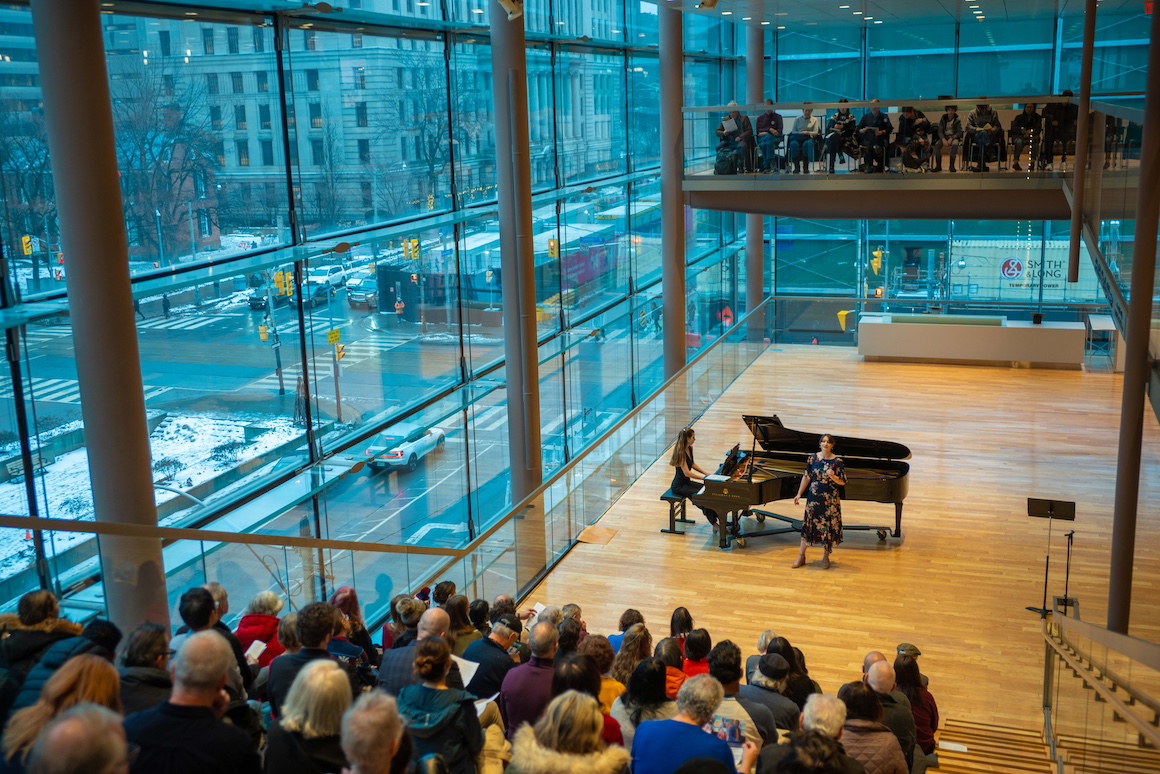
Tuesday lunchtime in the RBA saw the traditional annual holiday gig by the (much depleted by sickness etc) Ensemble Studio. Last minute drop outs meant it was pretty short but what there was was very decent.
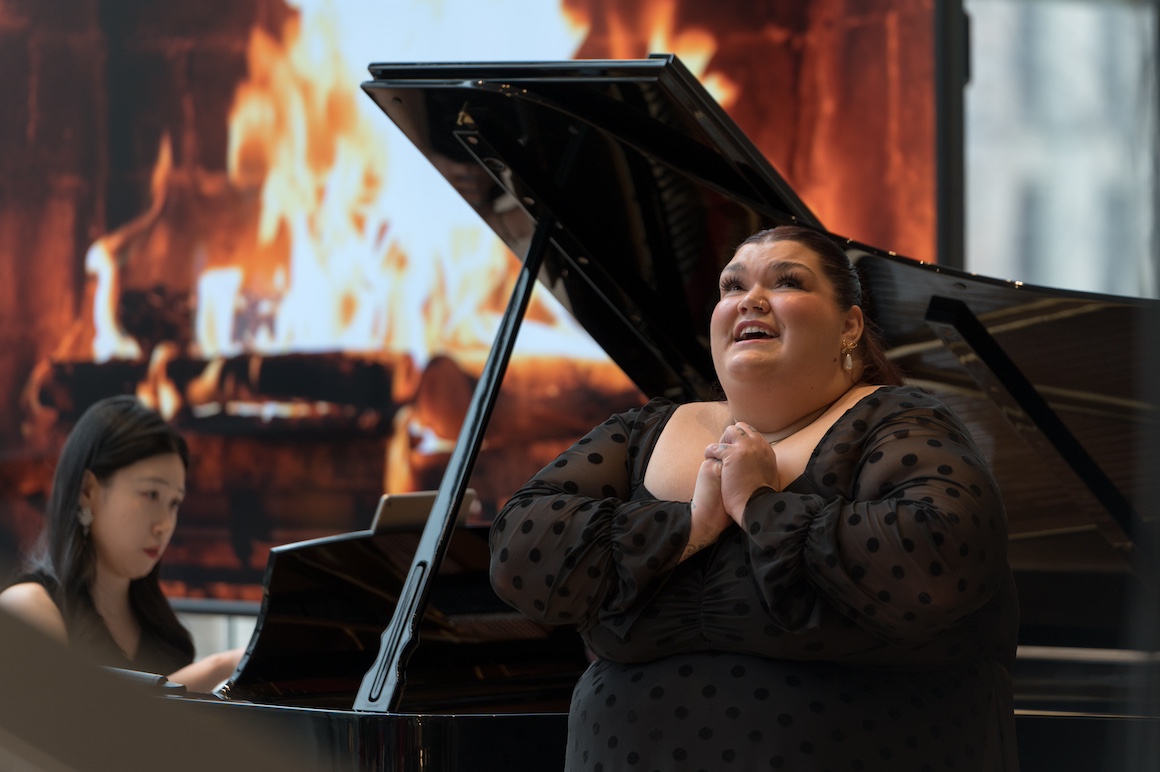
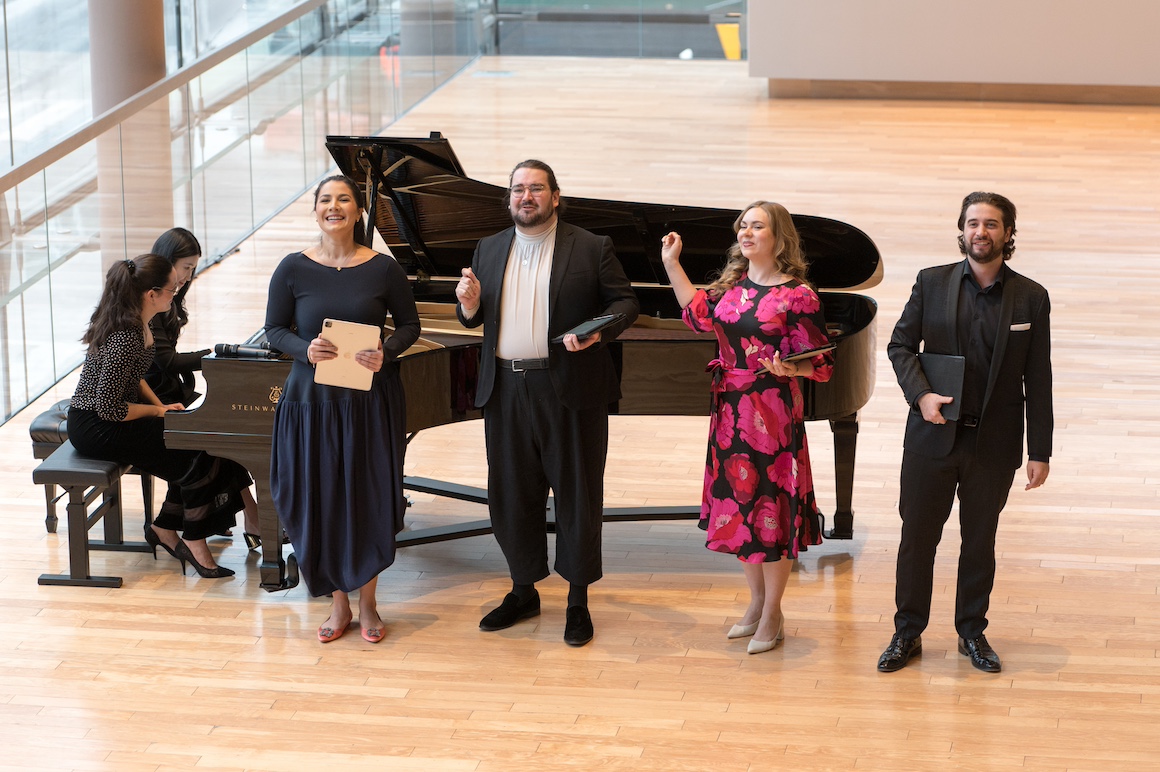
Last Tuesdays’s concert in the RBA featured four singers and two pianists from the Ensemble Studio in a concert of highly recognisable opera arias. I guess with Barber of Seville and Rigoletto coming p on the FSC stage that was a bit inevitable. It was though very well done with all four singers not only singing well but really conveying a sense of character.
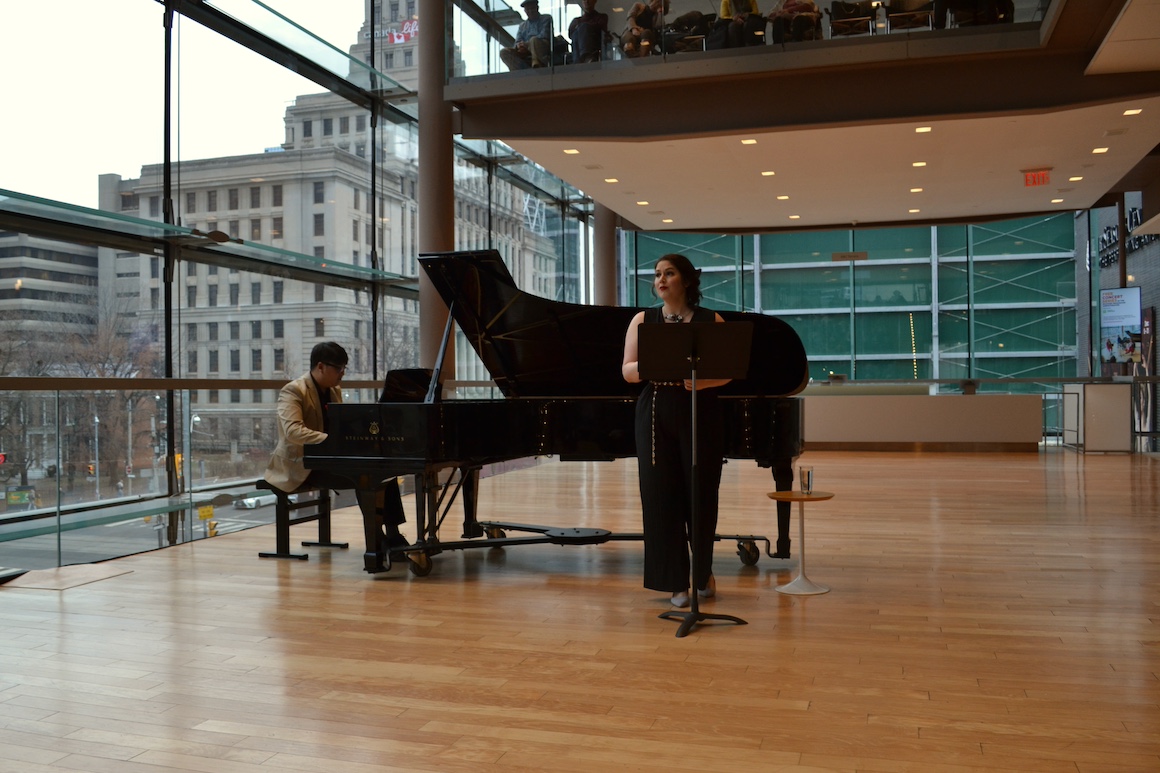
Wednesday’s concert in the RBA was a challenging programme of song by contemporary women composers presented by soprano Ariane Cossette and pianist Brian Cho. Kaija Saariaho’s Quatre instants sets four related poems by Amin Maalouf. In some ways it’s in the same sort of psychological space as their L’amour de loin; love at a distance, love requited and unrequited, love sensual and quasi-spiritual, but musically it’s very different. It’s much more abrasive and (mostly) less lyrical. Sometimes its really busy and quite angry. It’s also very, very complex and often quite loud, demanding great skill and stamina from both performers. The piano part features loads of trills and arpeggiation and the vocal line has awkward intervals and even screaming. It was handled really well.
 operaramblings