My review of the sumptuous Criterion Collection reissue of the classic Thirty Two Short Films About Glenn Gould is now up at La Scena Musicale.
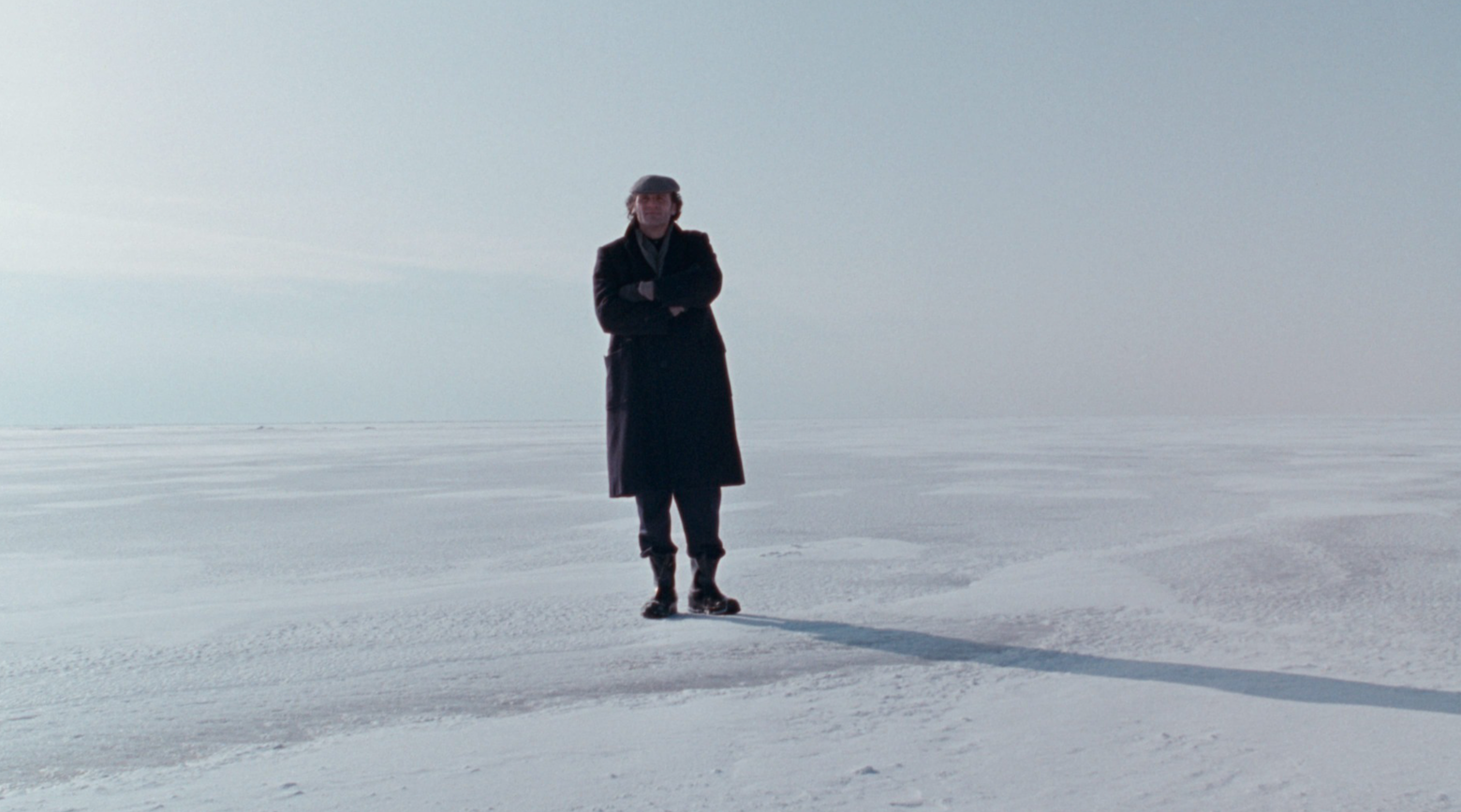

My review of the sumptuous Criterion Collection reissue of the classic Thirty Two Short Films About Glenn Gould is now up at La Scena Musicale.
The production of Donizetti’s Don Pasquale recorded at the 2024 Donizetti Festival in Bergamo is lively colourful and, generally, well done. Amélie Niermayer’s production is essentially contemporary with a heavy emphasis on class difference between the relatively upscale Pasquale clan and the Malatestas who are shown as some sort of Italian equivalent of “Essex man”. Doctor Malatesta has tattoos and wears a heavy gold chain and when we first see Norina she’s in braids, a T shirt, fishnets and also sports tattoos. Her taste doesn’t improve much after the “wedding”. In contrast, Ernesto is more stylish and less of a dweeb than in other productions I’ve seen.

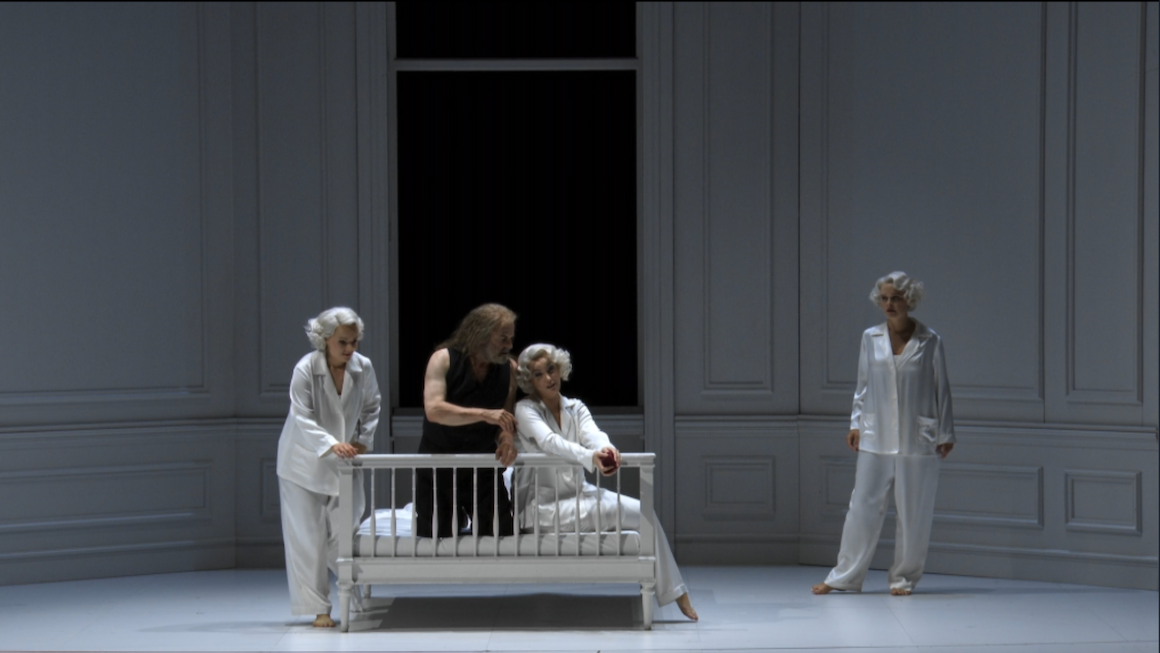
Overall I rate this cycle very highly. Andreas Homoki’s production is unusual in that it’s really not conceptual and is often very literal. That’s rare in Wagner productions in major European houses. But it’s also not cluttered up with superfluous 19th century “stuff”. When a thing is essential, it’s there as described. If it’s not essential more often than not it’s omitted.
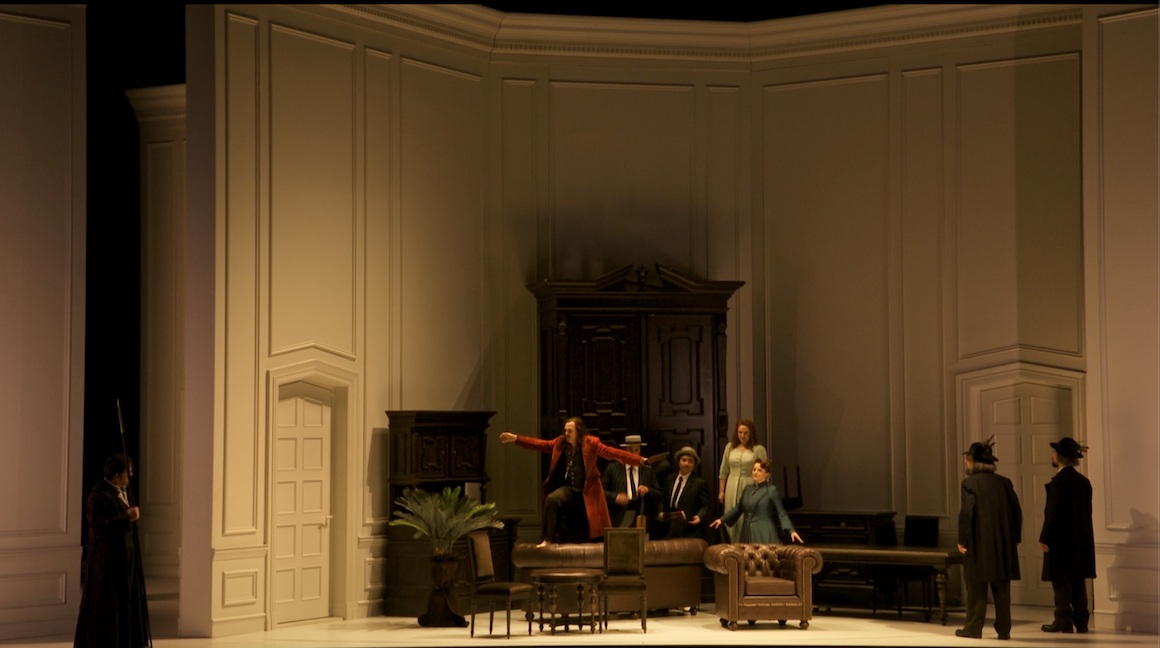
And so to the final instalment… We open with the Rock but now the background room; while still the same 18th/19th century mansion, looks a bit the worse for wear with peeling and cracked paint. The Norns, predictably, are all in white. It’s all pretty conventional but done well.
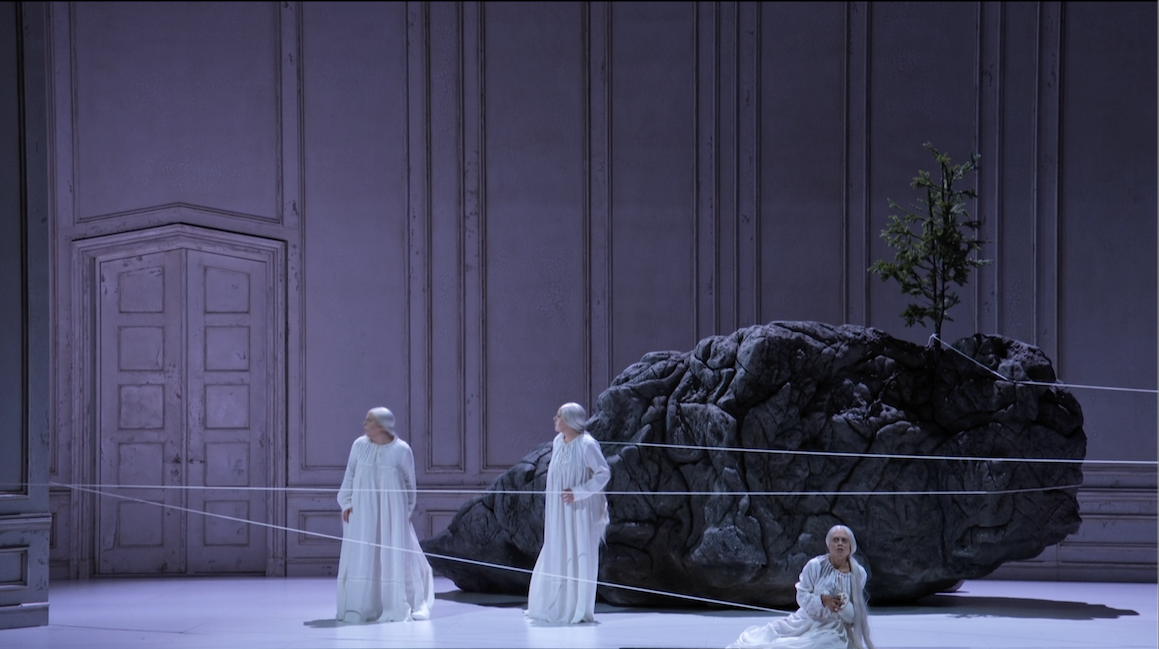
Siegfried has been described as the scherzo of the Ring cycle and Andreas Homoki seems to have at least partly run with that. There are quite a few places, including some less obvious ones, where he seems to be going for laughs. The obvious ones are obvious enough. You can’t really have a bear in the first scene without it being comic but there were also times when Wanderer was camping it up a bit. We’ll come back to that.
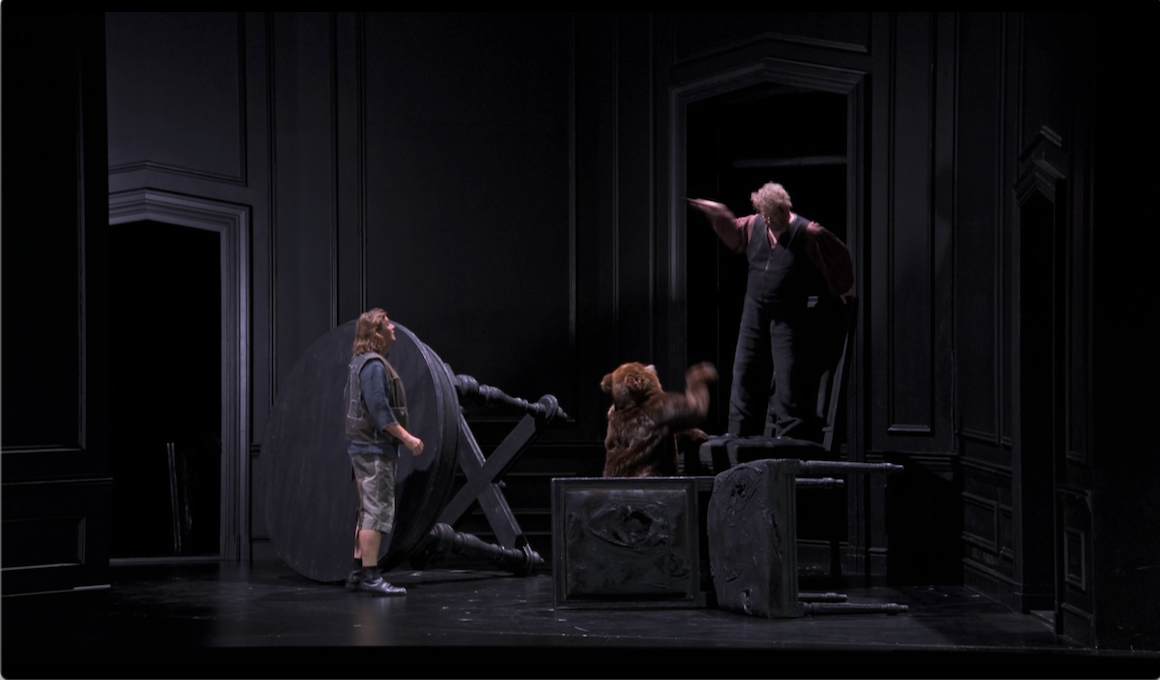
Continuing on from Das Rheingold we come to Die Walküre. There’s a lot of continuity with the earlier work. It’s basically the same rotating set though in some scenes one of the “rooms” becomes a forest. Another thing we see is characters who aren’t canonically “there” appearing in scenes. So right at the beginning, when Siegmund and Sieglinde meet, Wotan is lurking and doing things like handing drinks to Sieglinde. We’ll see more of this with Hunding’s henchmen appearing in various places, Wotan and the henchmen appearing when Sieglinde is describing her wedding and the Valkyries showing up at the start of Act 2.
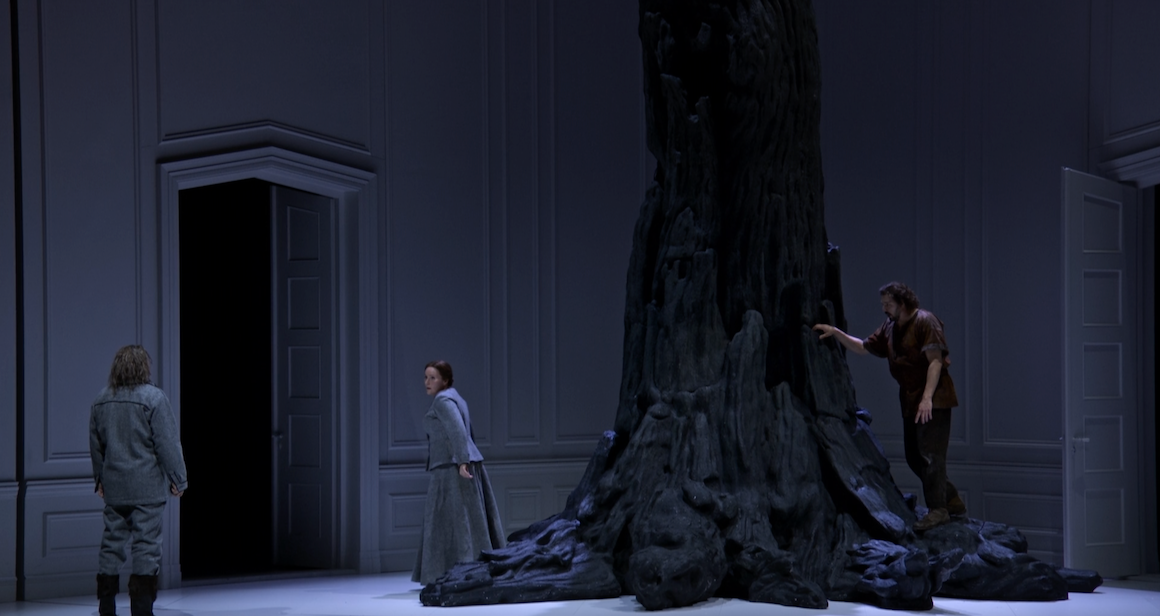
A new production of Wagner’s Der Ring des Nibelungen is always a bit of an event and all the more so when it’s in the city where the work was composed. Andreas Homoki’s production premiered and was recorded for video at Opernhaus Zürich in 2024. I’ll be working my way through the whole cycle but here are my initial thoughts based on Das Rheingold.
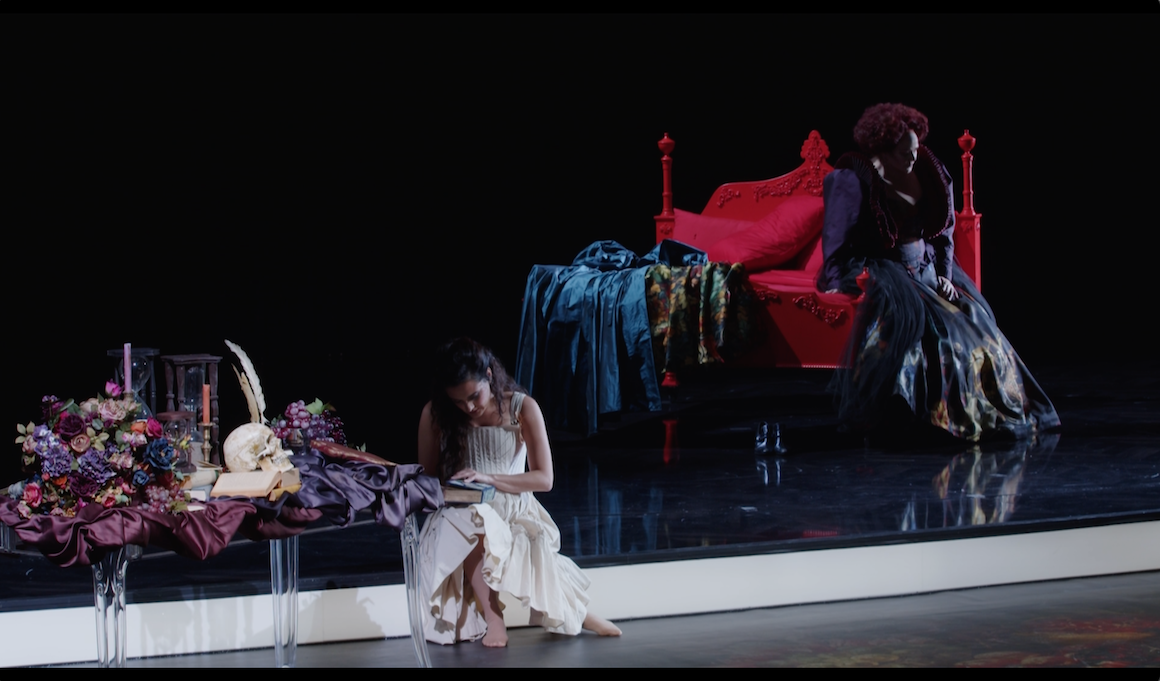
Stephen Langridge’s production of Donizetti’s Roberto Devereux recorded at the Donizetti Festival in Bergamo in 2024 is heavy on death symbolism. The general look of the sets is fairly abstract with a sort of light box with a gallery and a few bright red elements; the throne, the Nottinghams’ bed and so on, but there are skulls and other memento mori everywhere. Costuming is sort of operatic Tudor but Elisabetta’s dress is a print that includes skulls and she’s doubled by a human size, identically dressed, Death puppet. As seems to be the fashion, much of the time only the front of the stage is lit leaving characters lurking in the gloom upstage.
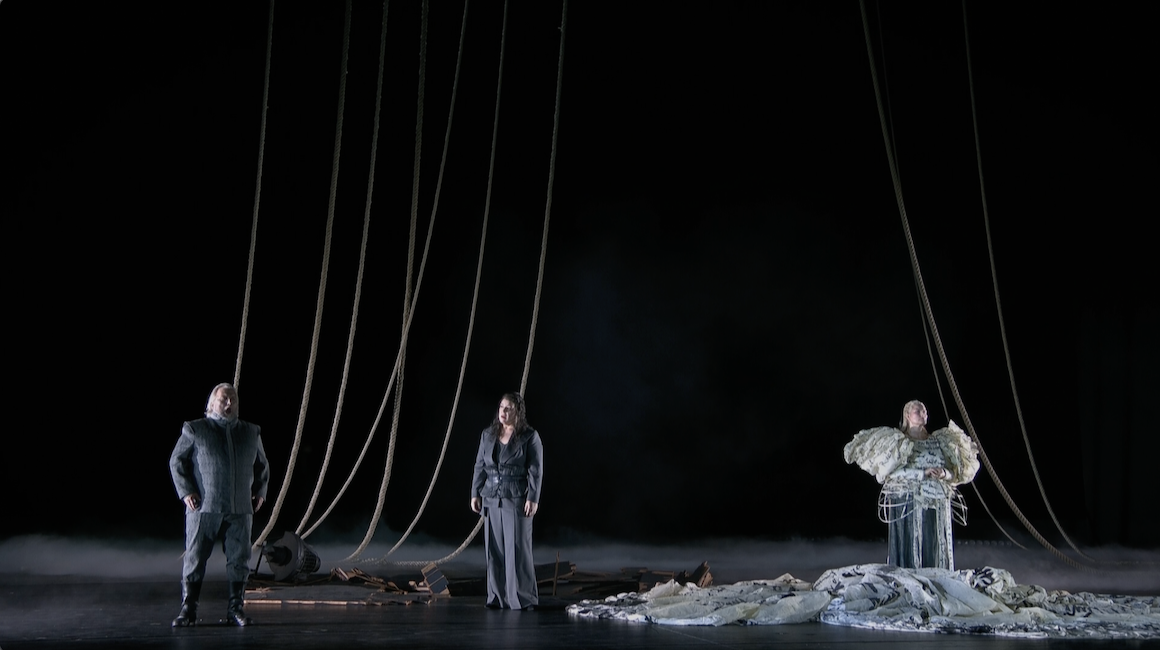
The latest release from Deutsche Grammophon in their collaboration with the Bayreuth Festival is a video release of the 2024 Tristan und Isolde. It’s interesting both as a production/performance and for some technical innovations.
Zoraida di Granata is an early serious opera by Donizetti. It’s set in Muslim controlled Granada in 1480. The city is under siege by the Spanish and the usurper Almuzir is in control and wants to marry Zoraida, daughter of the former king, but she’s in love with Abenamet, leader of the aristocratic and warlike Abencerrages. Almuzir makes Abenamet commander in chief of his army and entrusts him with a sacred flag. If he returns victorious and with the flag he gets Zoraida but if he loses the flag he’ll be executed as a traitor. Naturally Almuzir has arranged for his sidekick, Ali, to betray the flag to the Spanish. The victorious hero is going to be executed but Zoraida promises to marry Almuzir if he spares Abenamet. Then the lovers meet secretly and after the statutory rowing about Zoraida betraying him Abumet exits. But Ali has overheard the conversation and gets Zoraida sentenced to death for treason. Only a knight showing up to defend her in trial by combat can save her (that again!). Of course it’s Abenamet in disguise and he beats Ali who fesses up. The clan want to kill Almuzir and Ali but Abenamet forgives them and in return gets the girl.
 operaramblings