
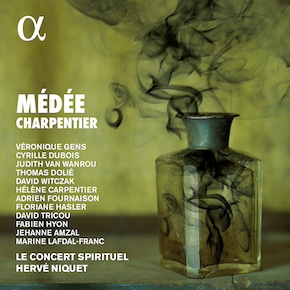
 Cherubini’s Médée of 1797 is undergoing something of a revival at the moment albeit in an Italian version. But there’s an earlier and less known version of the same story with a libretto by (as opposed to based on) Corneille. It’s Charpentier’s Médée of 1693. It’s a tragédie lyrique with all the expected elements; an allegorical prologue in praise of Louis XIV, a classical subject, five acts, gods, spirits and demons and lots of spectacular theatrical effects. The Lully formula in fact. Continue reading
The other Médée
Reply
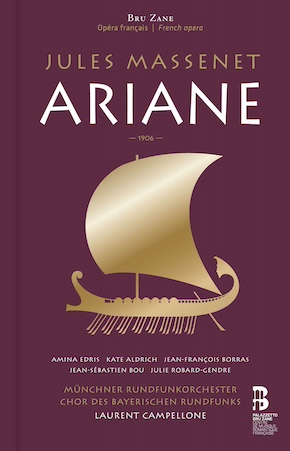 Ariane is a late opera (1906) by Jules Massenet. Now largely forgotten it has recently been recorded by the Palazzetto Bru Zane in their admirably produced series of French rarities. Unfortunately, unlike some of their other rediscoveries I wasn’t much taken with it.
 operaramblings