Ensemble Studio do the standards

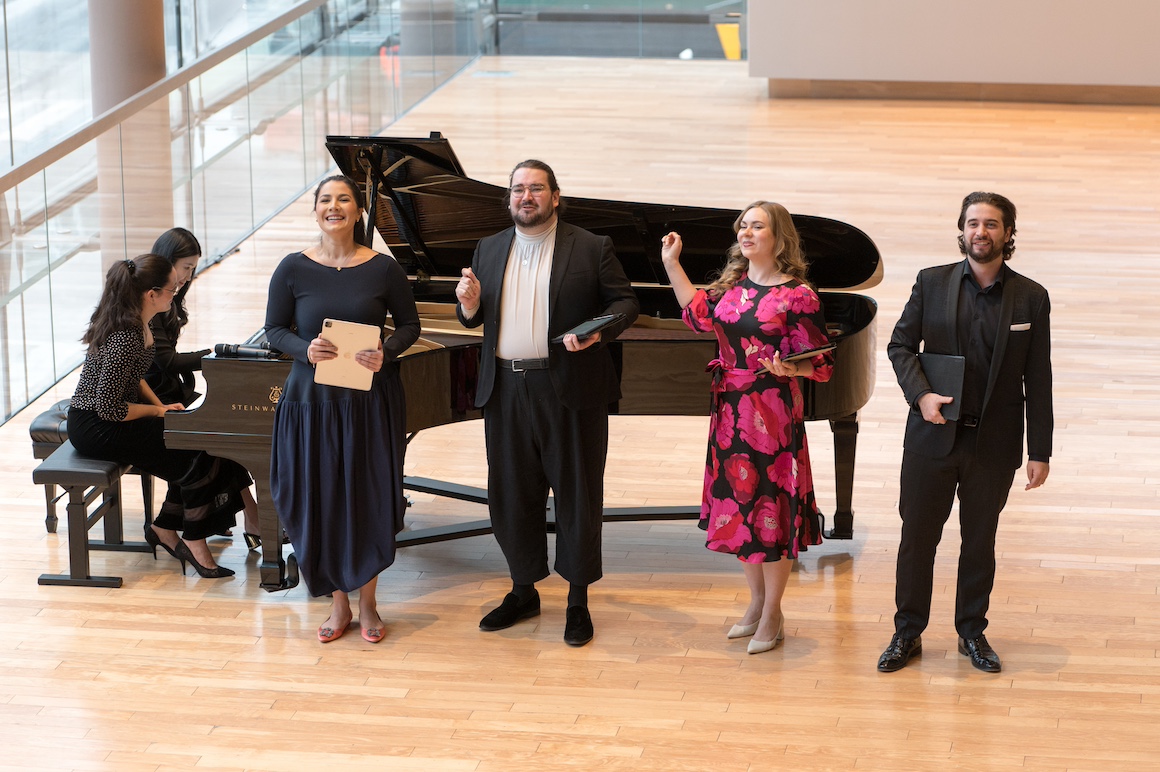
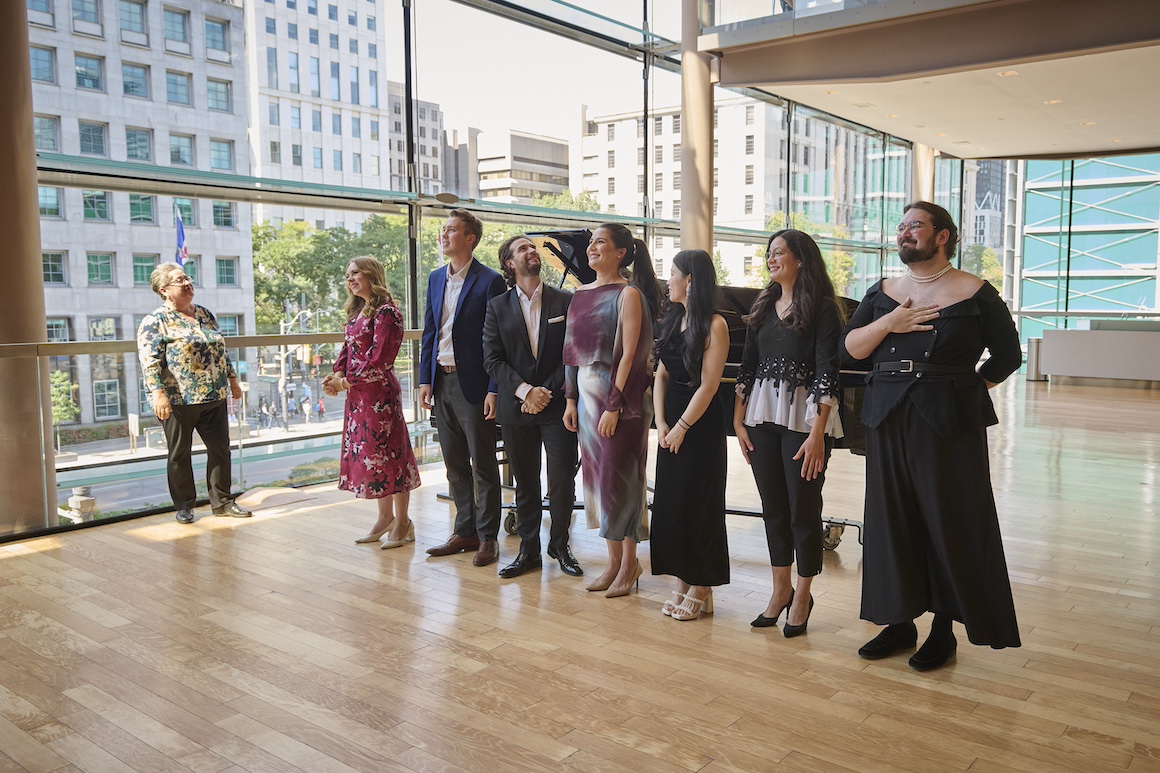
Last Tuesdays’s concert in the RBA featured four singers and two pianists from the Ensemble Studio in a concert of highly recognisable opera arias.  I guess with Barber of Seville and Rigoletto coming p on the FSC stage that was a bit inevitable.  It was though very well done with all four singers not only singing well but really conveying a sense of character.

Continue reading

Ensemble Studio kick off

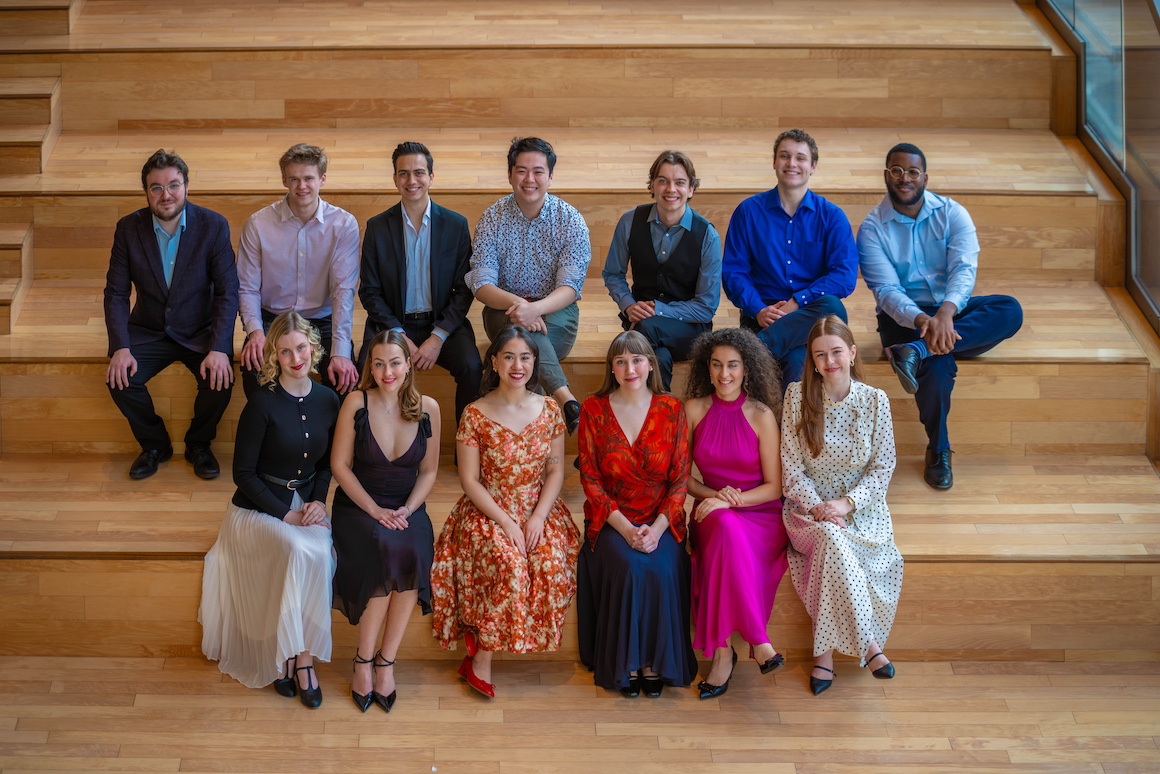
The free concert series in the RBA kicked off on Wednesday with, as usual, a performance by the artists of the COC’s Ensemble Studio.  Owing to illness only five singers performed and only one of those, Emily Rocha, was a returnee.  The other four singers and both pianists were newcomers.  It was short but enjoyable.

Continue reading

The Last Castrato

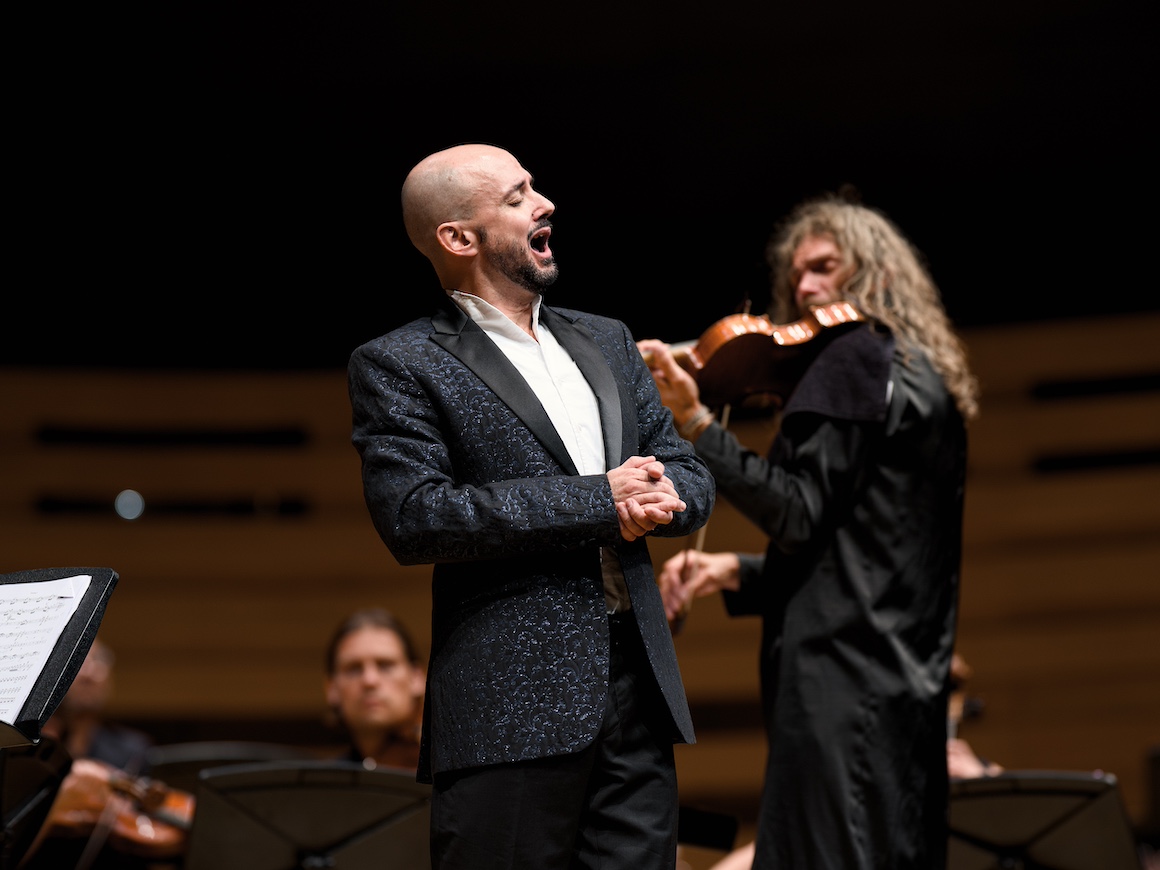
The last great castrato, we are told, was Vellutti who was a favourite with many early 19th century composers.  Tuesday night’s concert at Koerner Hall as part of Toronto Summer Music was a tribute to him with counter-tenor Franco Fagioli accompanied by L’Orchestre de l’Opéra de Versailles and their flamboyant violinist/conductor Stefan Plewniak performing music associated with Vellutti interspersed with orchestral music from (mostly) the same operas.

Continue reading

A Tancredi for our times?

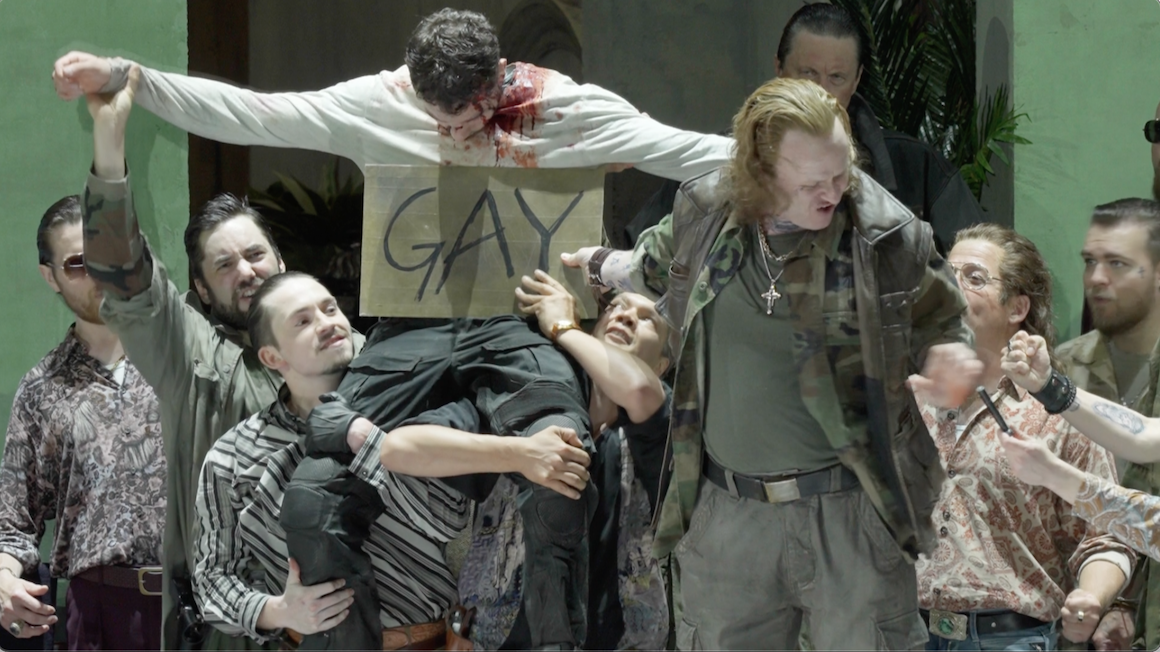
Rossini’s early opera seria Tancredi is set in Syracuse in the early 11th century and turns on two rival families coming together in the face a threat from both Byzantines and Saracens.  The hero is the knight Tancredi, secretly in love with the daughter of one of rival families.  Jan Philipp Gloger’s production filmed at Bregenz in 2024 updates it to the present with the families being rival drug gangs and the “threat” the police.  There’s a further twist.  Tancredi is a mezzo role and always sung by a woman.  Here Tancredi is played as a woman pretending to be a man; at least to everyone except her lover Amenaide.

Continue reading

Having your cake…

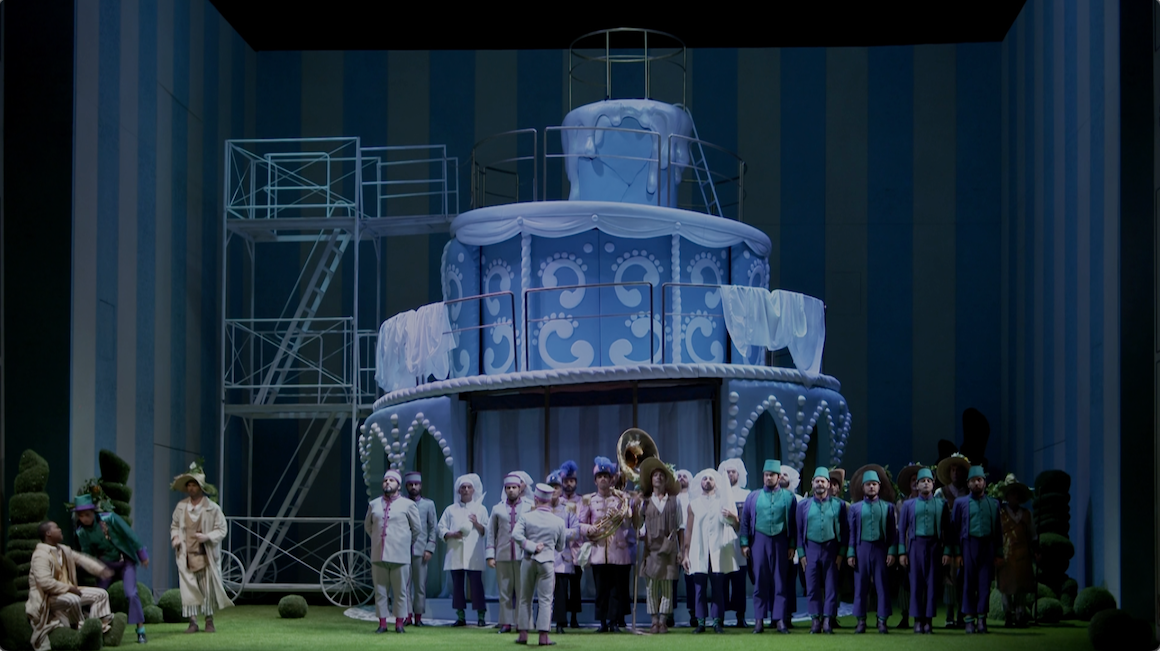
Rossini’s Adina was written in 18i8; two years after Barber of Seville, but wasn’t premiered until 1826 in Lisbon, after which it pretty much disappeared.  It’s a bit difficult to see why it fell out of favour, unless it’s because at 90 minutes or so it was considered too short, because it’s a pretty classic Rossini comedy with a silly but amusing plot and enjoyably frothy music.

Continue reading

Not really a review at all

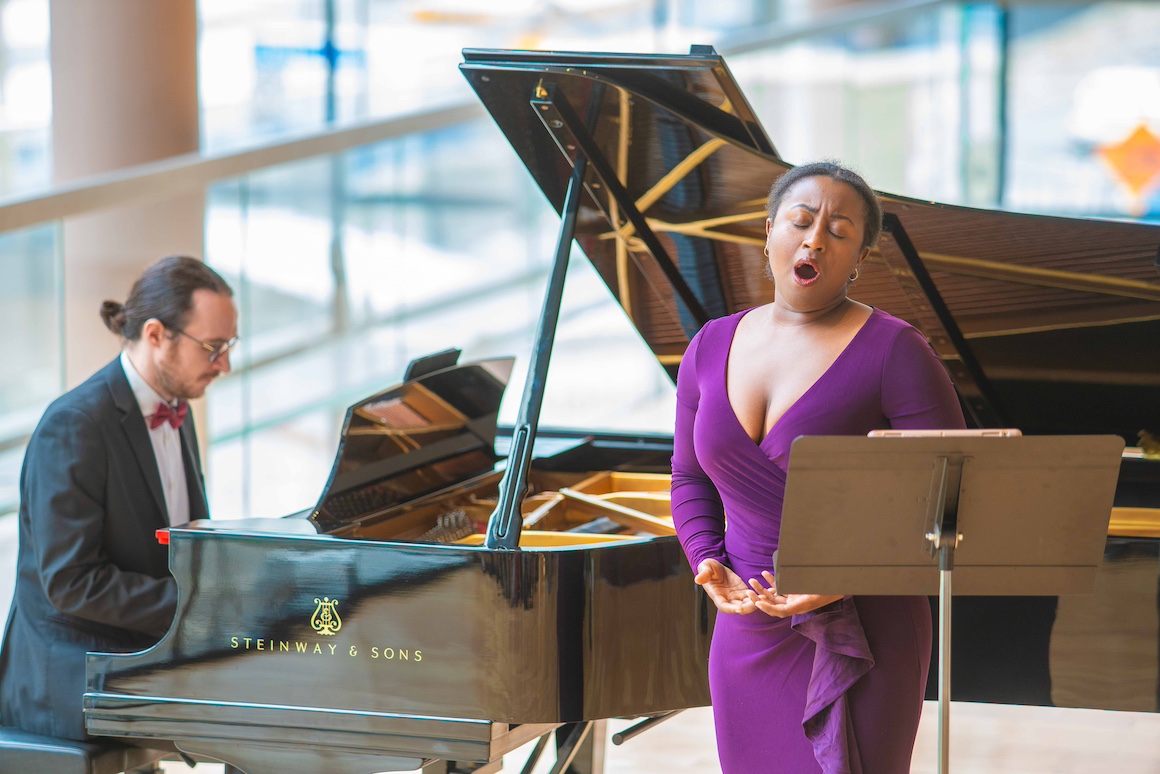
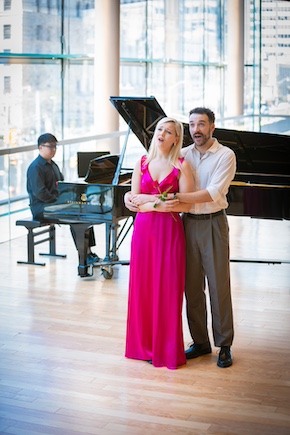
So Thursday lunchtime I went to see Karoline Podolak and Wesley Harrison supported by Mattia Senesi and Brian Cho in the RBA.  It was a “schmaltzy” programme (Wesley’s description not mine!).  The whole thing consisted of arias and duets from La Traviata, The Barber of Seville and Don Pasquale with a bit of Lehar and a final Prayer chucked in.

It was the sort of rep that if it came up on University Challenge any opera goer would be hitting the buzzer in under two seconds!  And it’s all lovely of course.  It was beautifully sung by two beautiful people with two excellent pianists.  They sing beautifully separately and wonderfully together and Karoline’s coloratura is spectacular.  It’s rep that fits them like a glove at this stage of their careers and I’m not going to bore you with a blow by blow account.  It was unalloyed, undemanding enjoyment made all the better by being in the RBA on a sunny day!

Photo credfit: Karen E. Reeves.

COC announces 2025/26 season

Without notice or fanfare the COC season announcement landed in my email inbox at 11.30 this morning.  I kind of miss the old 10am press conference which at least offered an opportunity to ask about the rationale of some of the decisions.  I guess though that the number of people writing about opera in Toronto these days would fit in a phone box so maybe it’s too much to hope for.  There are some mildly surprising aspects to the announcement.  There’s no Mozart or Puccini nor, more consequential, any sign of the various new opera projects that COC has/had under development which do have a bit of a habit of disappearing without trace.  There’s also no “second stage” production.  I guess that experiment is done.  So it’s six main stage productions in the traditional three pairs. Continue reading