Final thoughts on the Zürich Ring

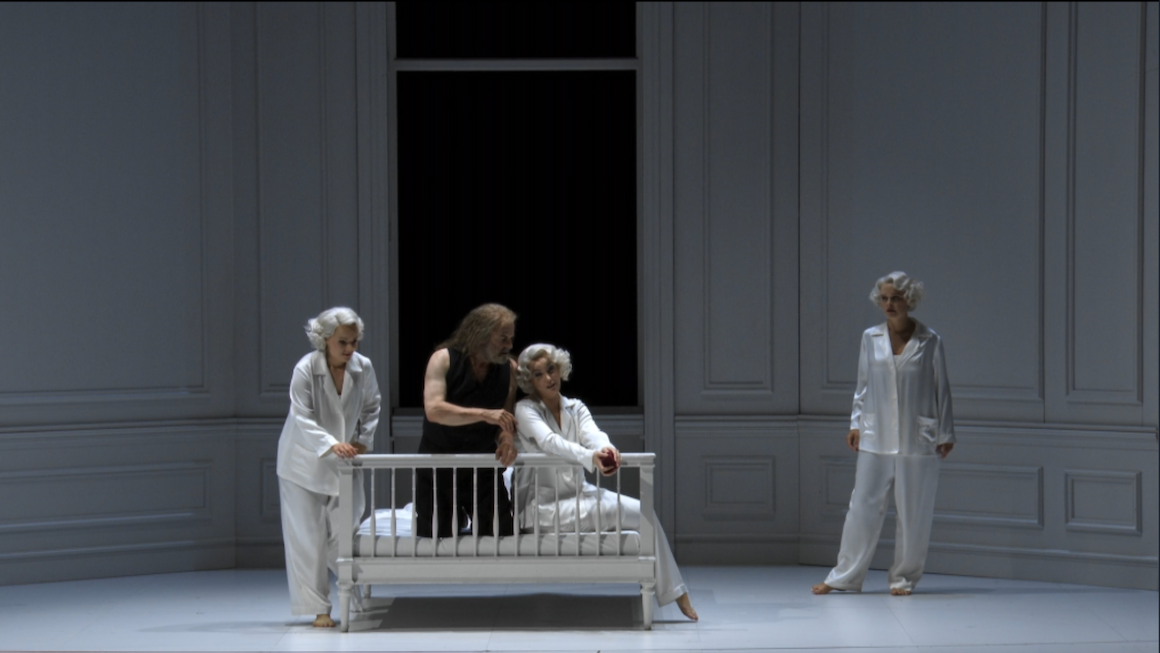
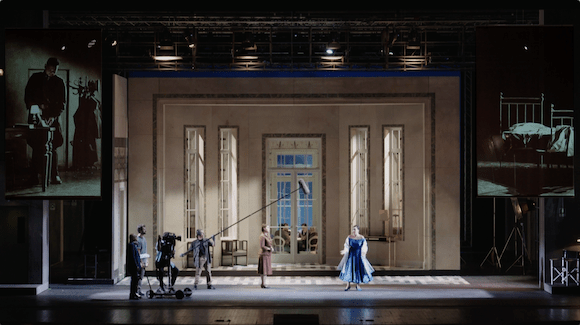
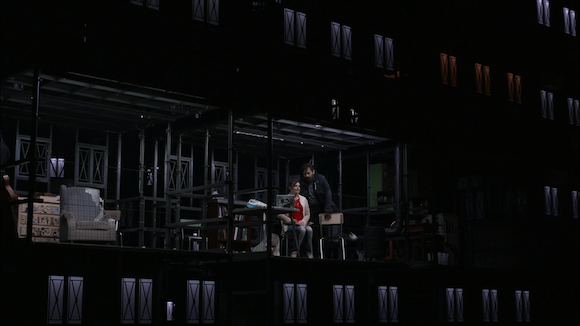
Overall I rate this cycle very highly.  Andreas Homoki’s production is unusual in that it’s really not conceptual and is often very literal.  That’s rare in Wagner productions in major European houses.  But it’s also not cluttered up with superfluous 19th century “stuff”.  When a thing is essential, it’s there as described.  If it’s not essential more often than not it’s omitted.
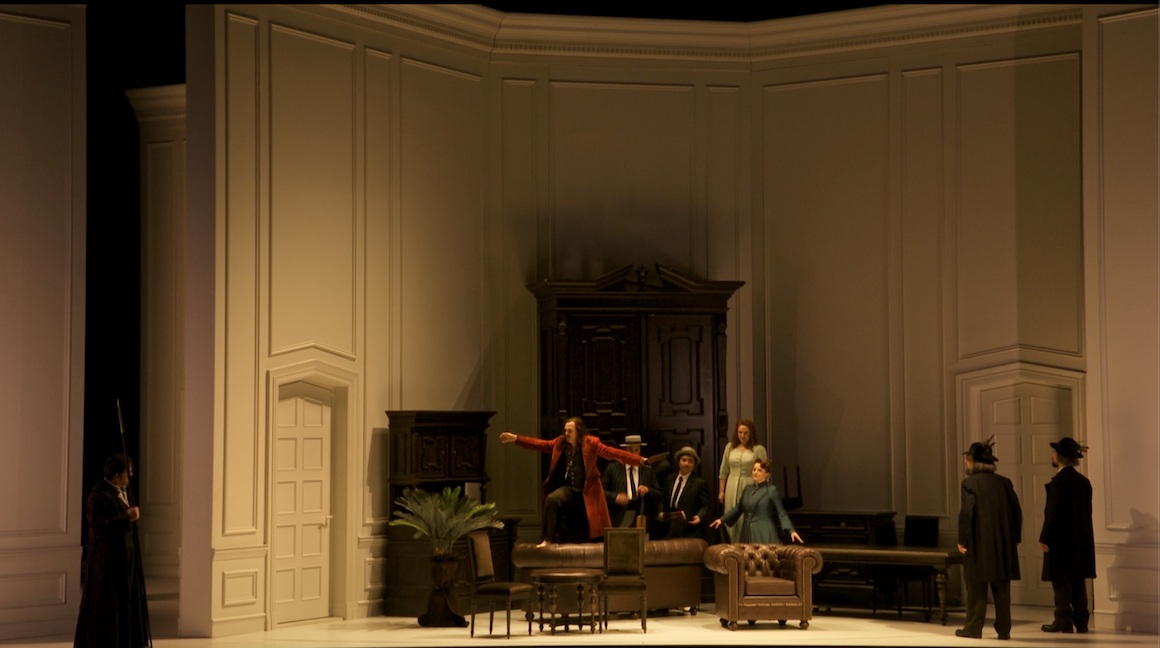
Continue reading

Zürich Ring – Götterdämmerung

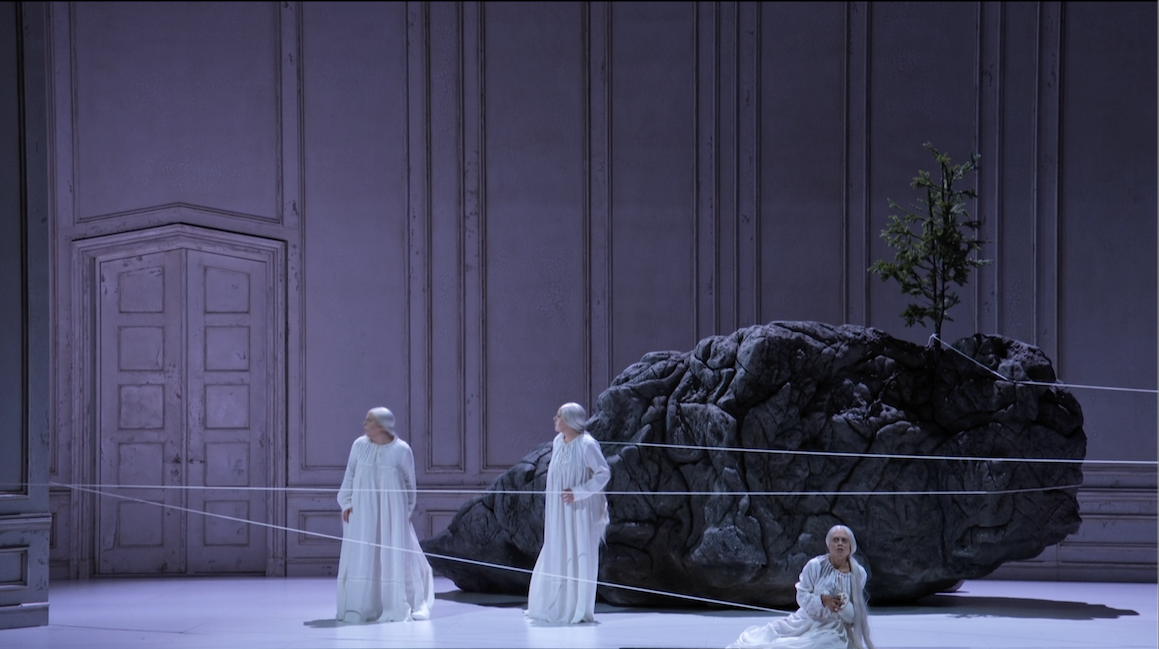
And so to the final instalment… We open with the Rock but now the background room; while still the same 18th/19th century mansion, looks a bit the worse for wear with peeling and cracked paint. The Norns, predictably, are all in white.  It’s all pretty conventional but done well.

Continue reading

Zürich Ring – Siegfried

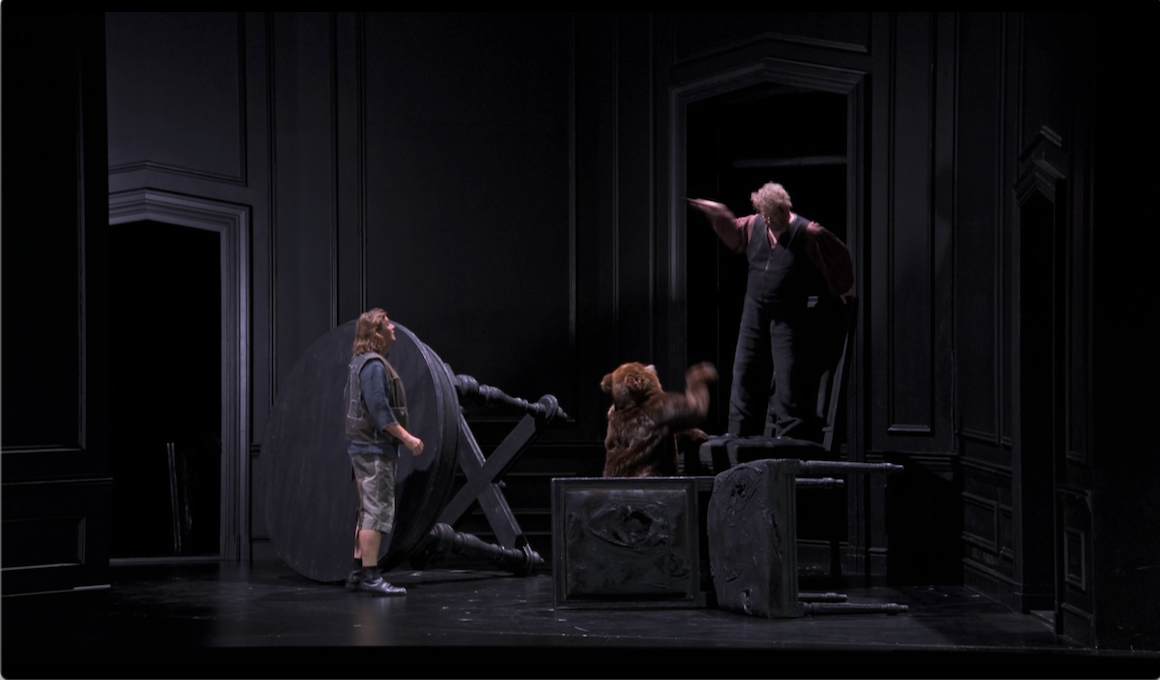
Siegfried has been described as the scherzo of the Ring cycle and Andreas Homoki seems to have at least partly run with that.  There are quite a few places, including some less obvious ones, where he seems to be going for laughs.  The obvious ones are obvious enough.  You can’t really have a bear in the first scene without it being comic but there were also times when Wanderer was camping it up a bit.  We’ll come back to that.

Continue reading

Zürich Ring – Die Walküre

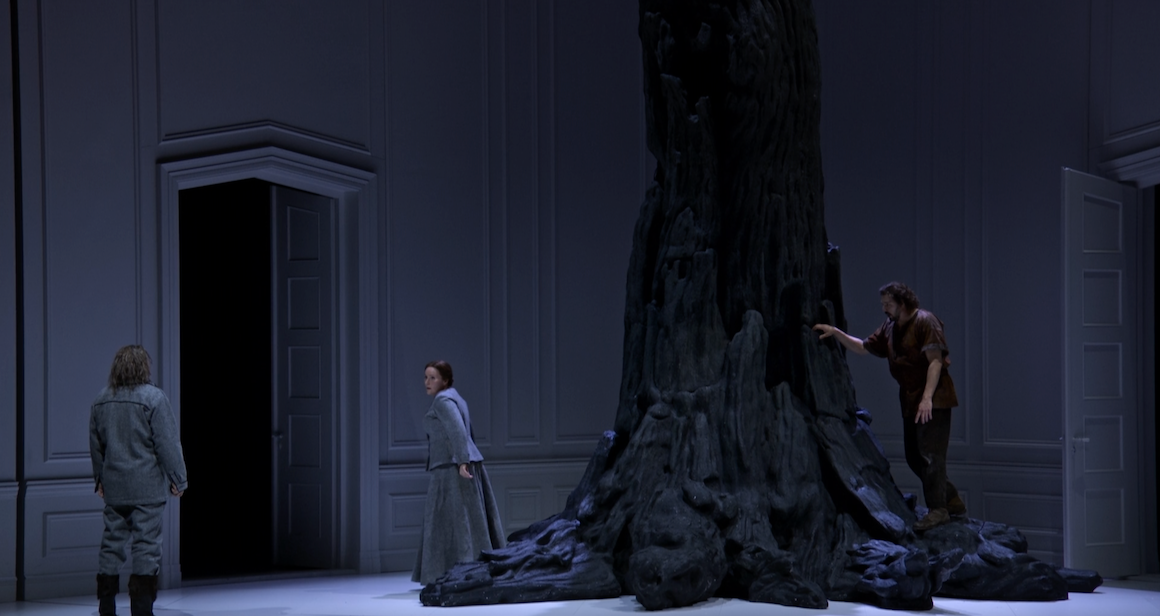
Continuing on from Das Rheingold we come to Die Walküre.  There’s a lot of continuity with the earlier work.  It’s basically the same rotating set though in some scenes one of the “rooms” becomes a forest.  Another thing we see is characters who aren’t canonically “there” appearing in scenes.  So right at the beginning, when Siegmund and Sieglinde meet, Wotan is lurking and doing things like handing drinks to Sieglinde.  We’ll see more of this with Hunding’s henchmen appearing in various places, Wotan and the henchmen appearing when Sieglinde is describing her wedding and the Valkyries showing up at the start of Act 2.

Continue reading

A new Ring from Zürich – Das Rheingold

A new production of Wagner’s Der Ring des Nibelungen is always a bit of an event and all the more so when it’s in the city where the work was composed.  Andreas Homoki’s production premiered and was recorded for video at Opernhaus Zürich in 2024.  I’ll be working my way through the whole cycle but here are my initial thoughts based on Das Rheingold.

Continue reading

Siberia… with Stalin… and COVID

I’m really not sure what to make of the recent recording of Giodarno’s Siberia made at the Maggi Musicale Fiorentino in 2021.  It’s certainly a rather weird experience. It’s partly that it’s a bit of an oddball of an opera, partly Roberto Andò’s production and partly that it was recorded under COVID conditions with the chorus masked and blocking that seems, if rather inconsistently, to be designed for social distancing.

1.film

Continue reading

Send in the clones

Stefano Poda’s production of Turandot (he is also responsible for the sets, costumes and lighting) for Teatro Regio Torino, recorded in early 2018, is one of the most visually effective productions of this (or perhaps any opera) that I’ve seen.  I don’t know whether it makes “sense” (but I’m also not sure that any Turandot does) and, if it does, I doubt one would be able to unpack it in a single viewing because there’s a lot going on (but see comment at the end).

1.cube

Continue reading

Updated La Bohème

The catalogue is full of La Bohèmes from regional houses sung by serviceable casts.  The version recorded at the Teatro Regio Torino in 2016 is another.  My reason for wanting to look at it is because the production was directed by Àlex Ollé of La Fura dels Baus and I hoped it would prove as insightful as Stefan Herheim’s Oslo production.  It doesn’t really.  He gives the piece a fairly gritty modern setting but I don’t think it speaks to our modern insecurities the way Herheim does.  Rather it plays pretty much as a gritty 19th century setting, which is, admittedly, vastly preferable to Zeffischenk excess or ne0-Broadway tweeness.

act1

Continue reading

Mild und Leise… occasionally

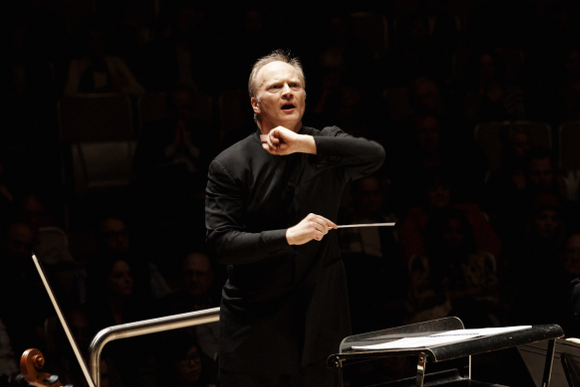
The TSO’s program last night was too tempting to miss; Adrianne Pieczonka singing Strauss and Wagner and a Beethoven 7th plus Gianandrea Noseda conducting.  So I went.

_DSC5922Things started off with Casella’s Italia.  This is a sort of mash up of Pucciniesque bombast and Neapolitan popular tunes.  I’m surprised it never featured in a Warner Bros cartoon.  Perhaps it did.  In any event Nosada is probably the ideal conductor for it; infusing it with a kind of manic energy.  Next up were the Strauss Vier letzte lieder.  Here manic energy is exactly what’s not needed and Nosada seemed to have some difficulty adjusting.  Too often Adrianne Pieczonka’s beautiful singing was covered by an over loud orchestra.  Roy Thomson Hall is tricky but George Benjamin showed exactly how to manage the acoustic last weekend.  Nosada wasn’t so successful.

Continue reading

Guglielmo Tell in concert

1. Luca Salsi HD-1

Luca Salsi

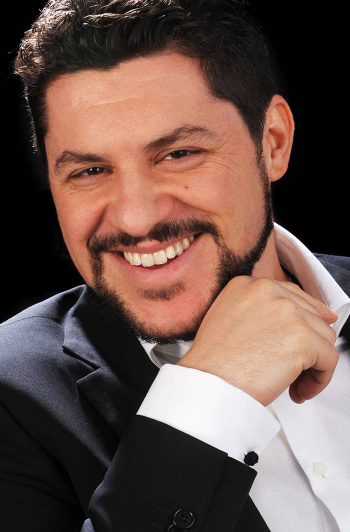
The operatic forces of Teatro Reggio di Torino are on a four city tour of North America.  Last night, at Roy Thomson Hall, they performed a concert version of Rossini’s Guglielmo Tell.  It was strictly concert style without any of the “semi staging” touches that are normal here so just music stands at the front of the stage and concert dress.  It’s in some ways a very odd way to experience a piece like this because some of the most dramatic scenes aren’t sung but are accompanied by the orchestra.  Take the canonical scene where Tell shoots the arrow off his son’s head.  We get the build up and it’s fairly obvious what the hushed orchestra is all about and then we get the chorus announcing basically “Gee by golly, he did it”.  Maybe the supertitles could be used as a commentary track at such points? Continue reading