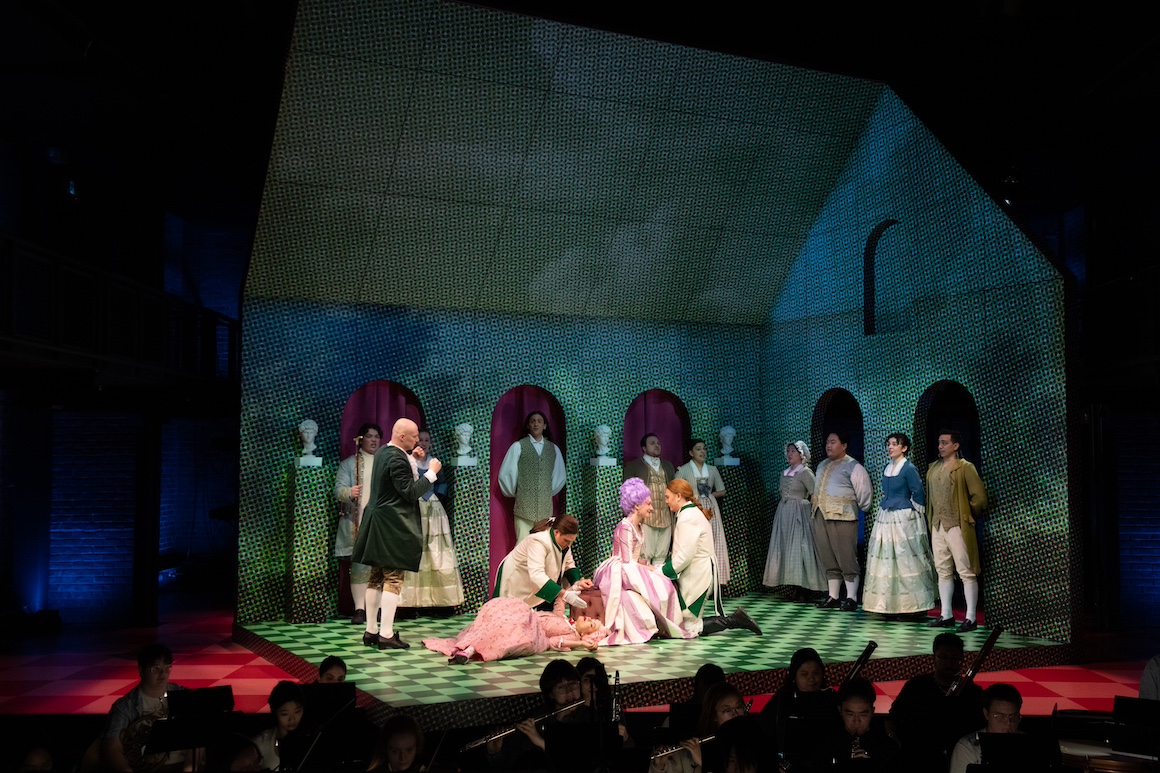
 Lysistrata Reimagined is this year’s UoT Opera Student Composer Collective production. It’s a setting of a libretto by Michael Patrick Albano loosely inspired by Aristophanes’ Lysistrata. In fact about all of Lysistrata that remains is that it’s in Greece, there’s a sex strike to stop a war and a couple of character names are retained. But then, as the first scene tells us, nobody reads that stuff, or remembers it, anymore.
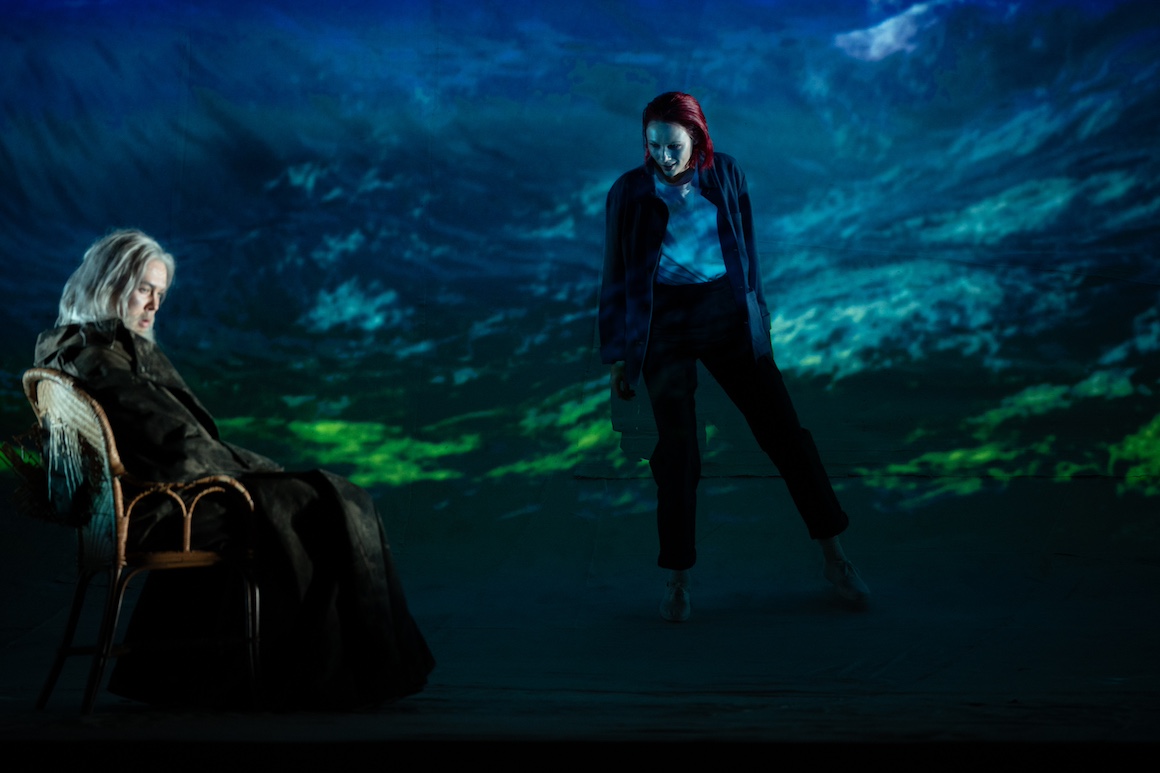
So, we are in a city. The men, up to now gainfully employed making triangular wheels, writing romance novels or teaching interpretative dance decide that “war” is a good thing and they want one. Lysistrata who is, apparently, the leader of the local womenfolk isn’t so keen and persuades the ladies to withdraw their favours until the men drop the war idea. One woman, though, Lampito (inevitably), rather likes the war idea and kits herself out for it but doesn’t really convince anyone else. With deadlock reached after three weeks Lysistrata calls on the local (female) sage for help but all she gets are “a string of proverbs and useless clichés”. But then a miracle happens. Overnight some people change gender and some realise it’s just a social construct. So now there’s nothing particularly masculine about war which persuades the boys (or whatever they are now) to drop the idea and normal relations are resumed though one suspects in greater variety.
Continue reading →

 operaramblings