
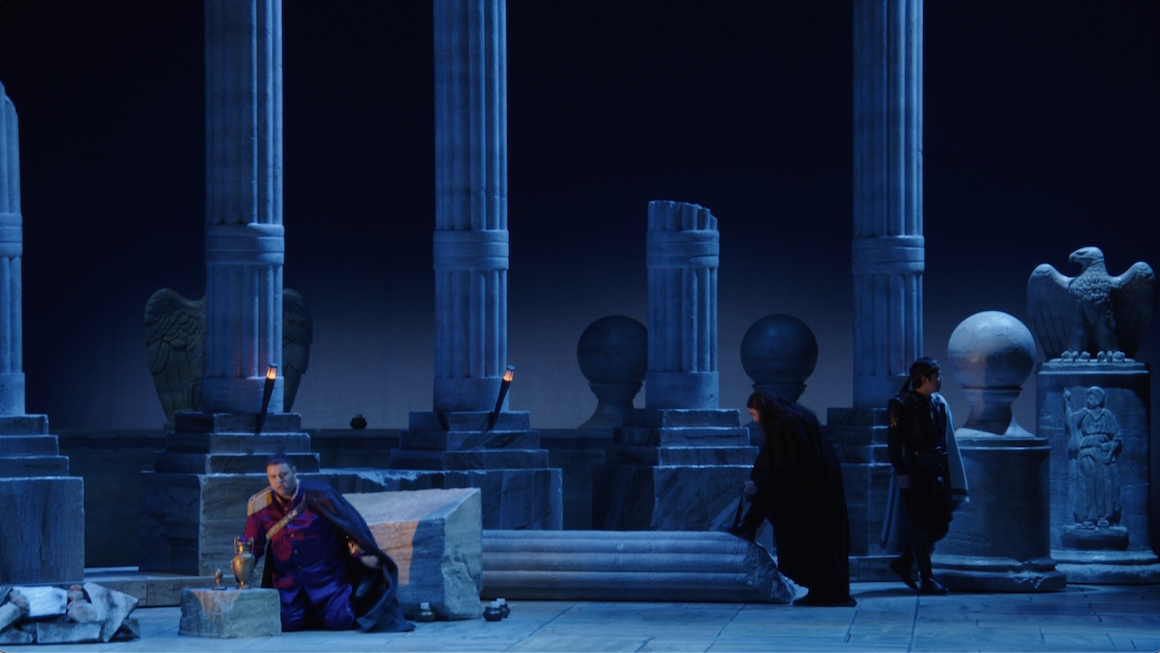
Arrigo Boito is better known as Verdi’s ibrettist on several well known operas but he did write a couple of his own. Mefistofele is probably the better known of the two but it feels like the one he put pretty much heart and soul into is Nerone. Now it’s a matter of some controversy whether he finished the opera or not. Four acts were completed and the composer is on record, in 1911, as describing the opera as “finished” but there’s a prose summary of a possible fifth act which is generally regarded as so unstageable that the composer couldn’t possibly have made opera out of it. In any event the version staged at Cagliari in 2024 and recorded for video is the four act version.
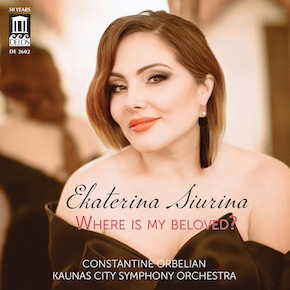 I first came across Russian soprano Ekaterina Siurina as Zerlina in the 2008 video recording of Mozart’s Don Giovanni from Salzburg. She had had plenty of success already in coloratura roles such as Gilda and Adina and was, I thought, the best Zerlina I had come across. Fast forward to 2015 and she sang a very fine Violetta at the Four Seasons Centre opposite her husband Charles Castronovo. A few years on and it’s not terribly surprising that she’s starting to venture into slightly heavier lyric-dramatic territory. This is reflected in her recent album Where is My Beloved? recorded in 2022 with the Kaunas Symphony Orchestra conducted by Constantin Orbelian.

 operaramblings