Metallic Mitridate

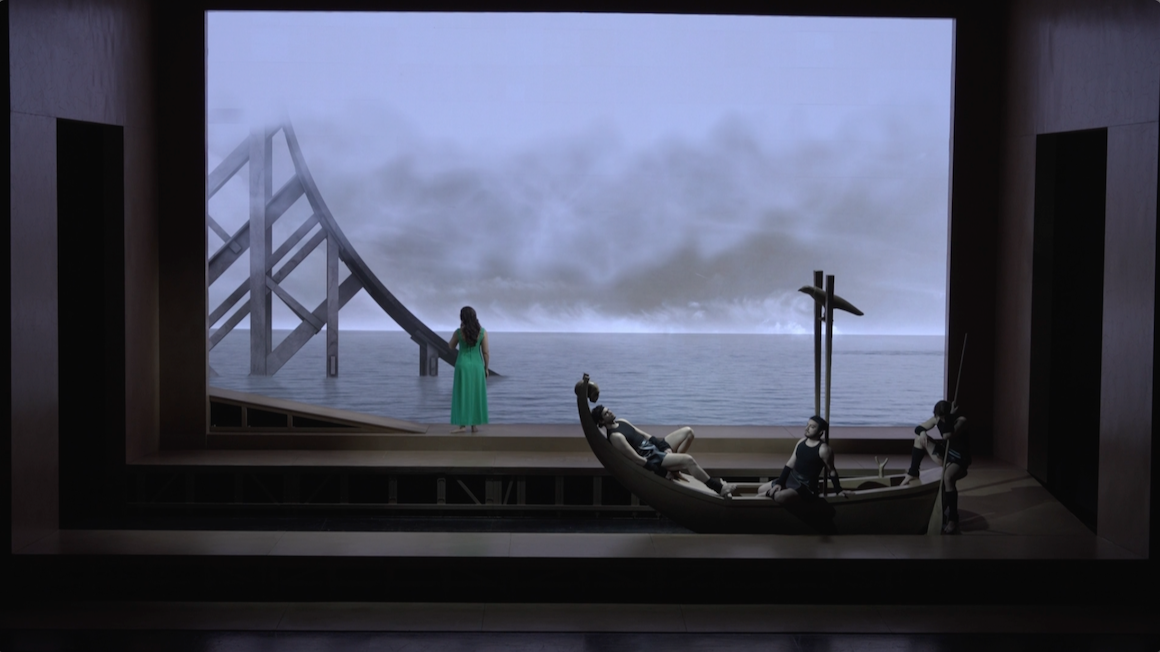
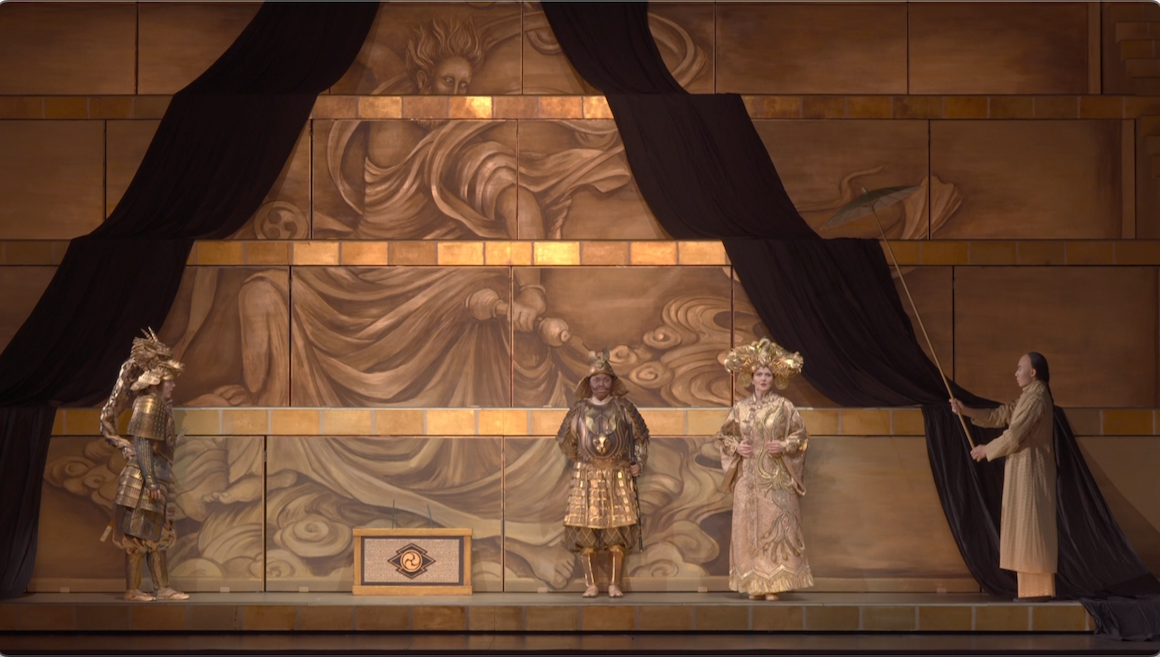
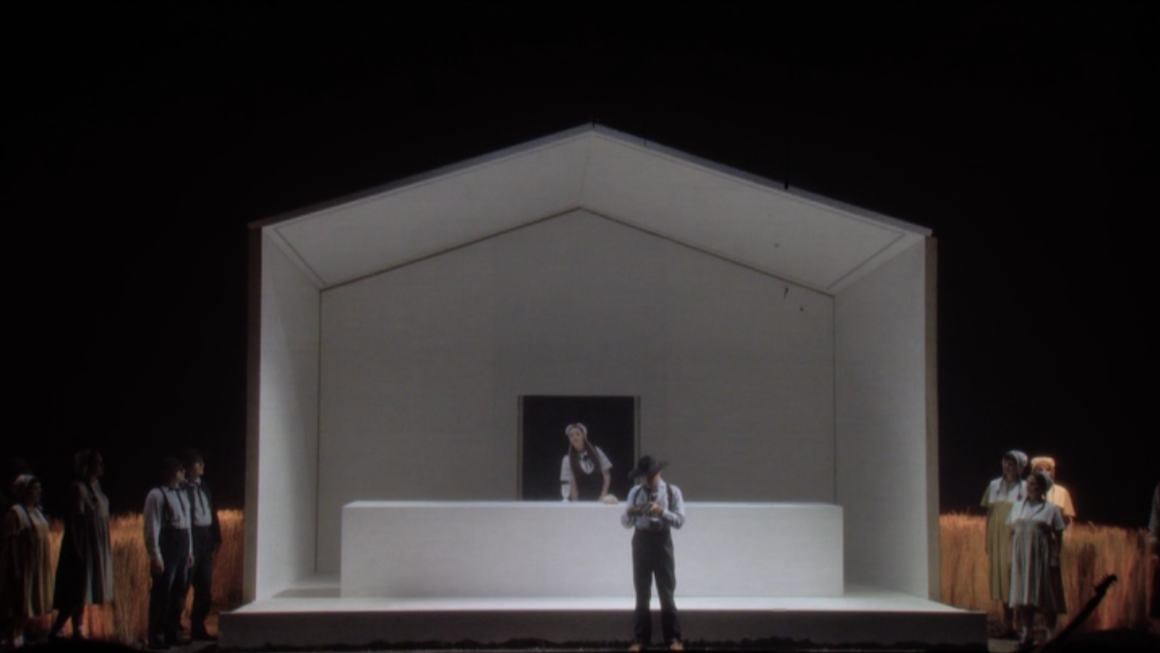
Mozart’s Mitridate, re di Ponto is definitely one of his less often performed works even though it’s astonishingly accomplished for a fourteen year old composer.  One can see why.  It adheres very faithfully to the opera seria model.  Far more so than, say, La clemenza di Tito.  The libretto is based on a play by Racine which, frankly, lacks dramatic interest and has a contrived ending.  The opera wraps all the loose ends up in about three minutes.  Structurally da capo aria follows recitative follows da capo aria with little variation and the arias all adhere pretty rigidly to the formal range of baroque emotions.  That said there is some spectacular vocal writing; both lyrical and dramatic, which allows the singers to fully display their skills.

1.sifarearbateaspasia

Continue reading →

Fiddling with Nero

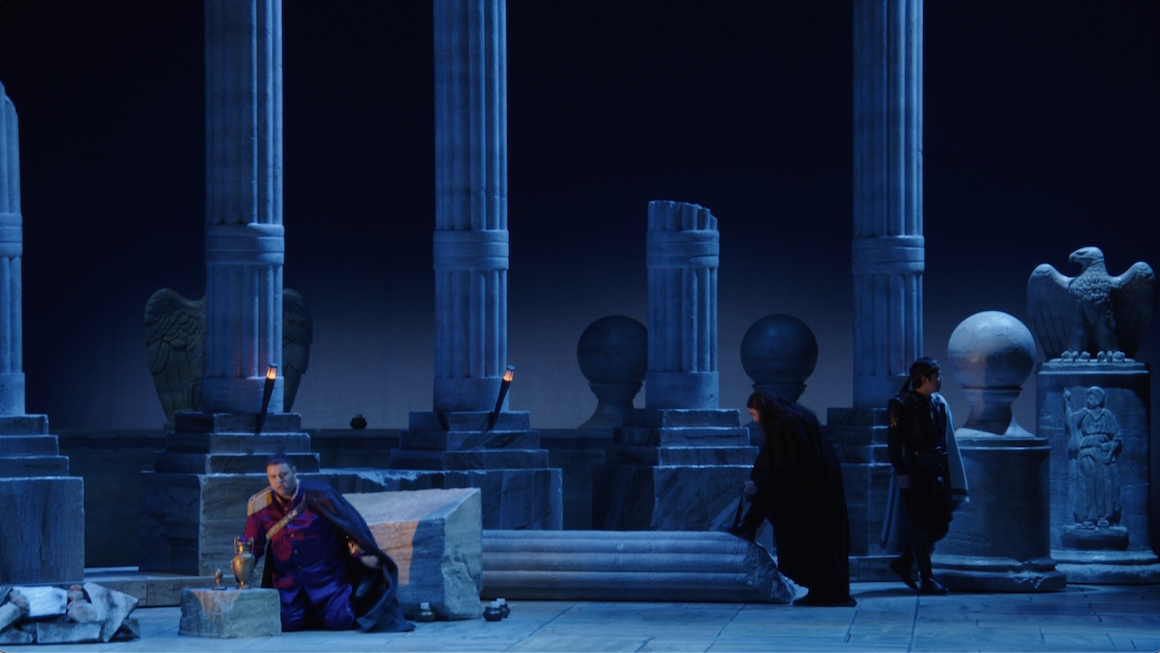
Arrigo Boito is better known as Verdi’s ibrettist on several well known operas but he did write a couple of his own.  Mefistofele is probably the better known of the two but it feels like the one he put pretty much heart and soul into is Nerone.  Now it’s a matter of some controversy whether he finished the opera or not.  Four acts were completed and the composer is on record, in 1911, as describing the opera as “finished” but there’s a prose summary of a possible fifth act which is generally regarded as so unstageable that the composer couldn’t possibly have made opera out of it.  In any event the version staged at Cagliari in 2024 and recorded for video is the four act version.

1.urn

Continue reading →

Butterfly by the book

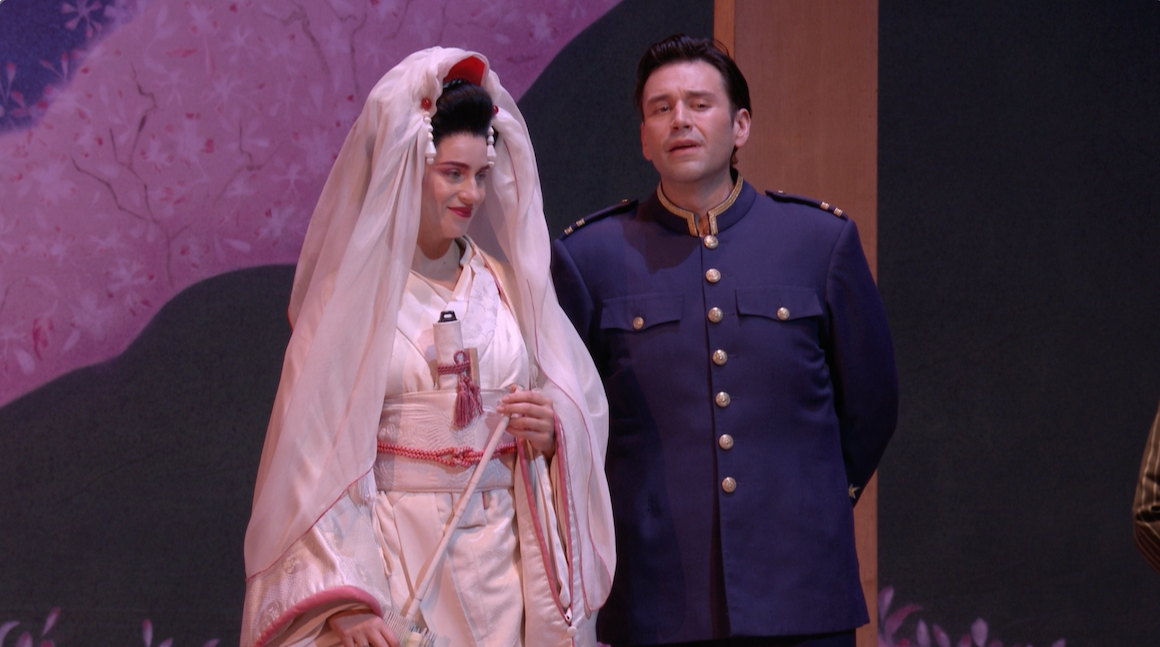
The production of Puccini’s Madama Butterfly recorded at Covent Garden earlier this year is a remount of the 2003 production by Moshe Leiser and Patrice Caurier directed this time by Daisy Evans.  It’s about as conventional as a Butterfly production can be.  There’s the odd bit of visual interest like a shedding cherry tree in the finale but mostly it’s standard operatic Japanese bar, perhaps, the cut and colour of Pinkerton’s suit in Act 3.

1.butterflypinkerton

Continue reading →

Brutally stark Ernani

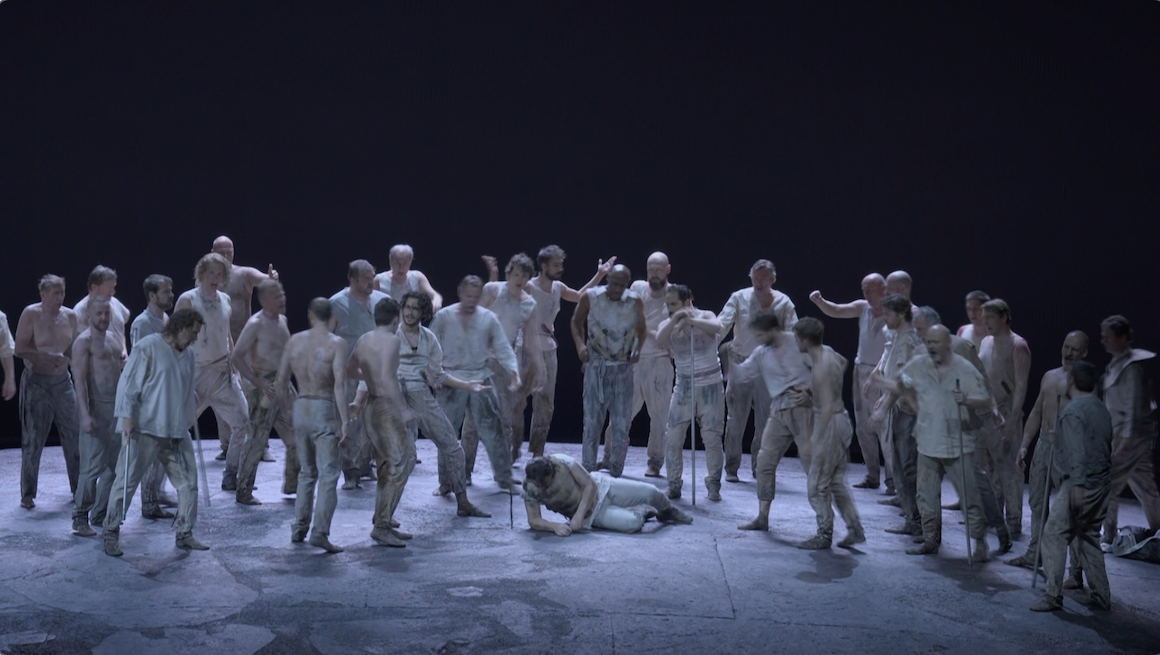
Verdi’s Ernani is set in the reign of Charles V of Spain just before he becomes Holy Roman Emperor (1519), not that there’s anything remotely historical about the plot which is classic love and revenge stuff.  The reason I mention it is because I’m trying to understand what director Lotte de Beer is driving at in the production staged and filmed at Bregenz in 2023.

1.scruffybandits

Continue reading →

The Samiel show

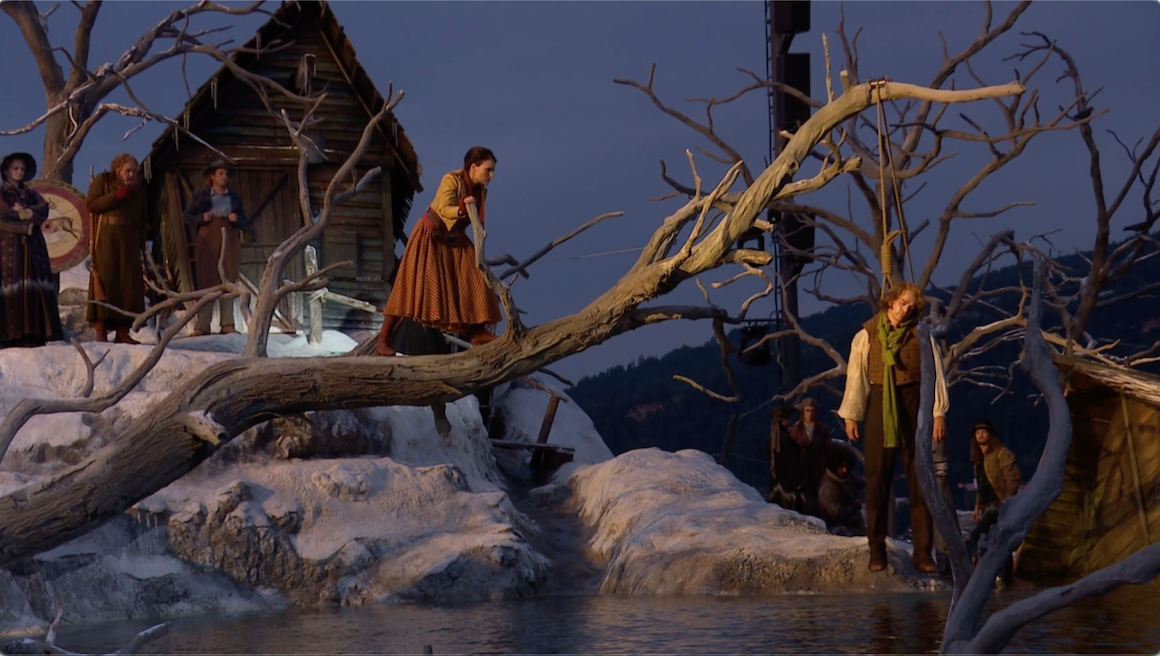
Productions on the lake stage at Bregenz are usually spectacular but rarely stray very far from the traditional/canonical.  The production of Weber’s Der Freischütz, directed by Philipp Stölzl and recorded in 2023 is quite radical though.  I think there are three main elements to this quite ambitious reworking.  One is to give Samiel a much enhanced role.  Here he is both MC and puppetmaster; controlling the action, including playing with time, and addressing the audience directly.  The second element is to emphasize that this is taking place in the aftermath of the Thirty Year War and, to add to the misery of that, the village has suffered severe flooding.  This sets up a duality between Agathe as the one who still, despite everything, trusts in God and Ännchen who believes God has forsaken them.  This tension serves to make the two girls perhaps the most important figures, after Samiel, in the piece.
1.hangedmax

Continue reading →

A Fidelio in two halves

I have long been of the opinion that Beethoven’s Fidelio is structurally flawed.  The first and second acts are so different intone and dramatic intensity that it never seems quite to hang together.  Tobias Kratzer obviously shares this view but being smarter than me finds a way to leverage it.  For his production at the Royal Opera House in 2020 he takes the two acts and effectively makes the second a commentary on the first.  It’s worth quoting his own words:

Like no other opera, Beethoven’s Fidelio falls into two unequal halves.  Act I is a historical melodrama on freedom and love in the post-Revolutionary era.  Act II is a political essay on the responsibility of the individual in the face of the silent majority, a musical plea for active empathy.

1.roccofideliomarzelline Continue reading →

Lucie de Lammermoor

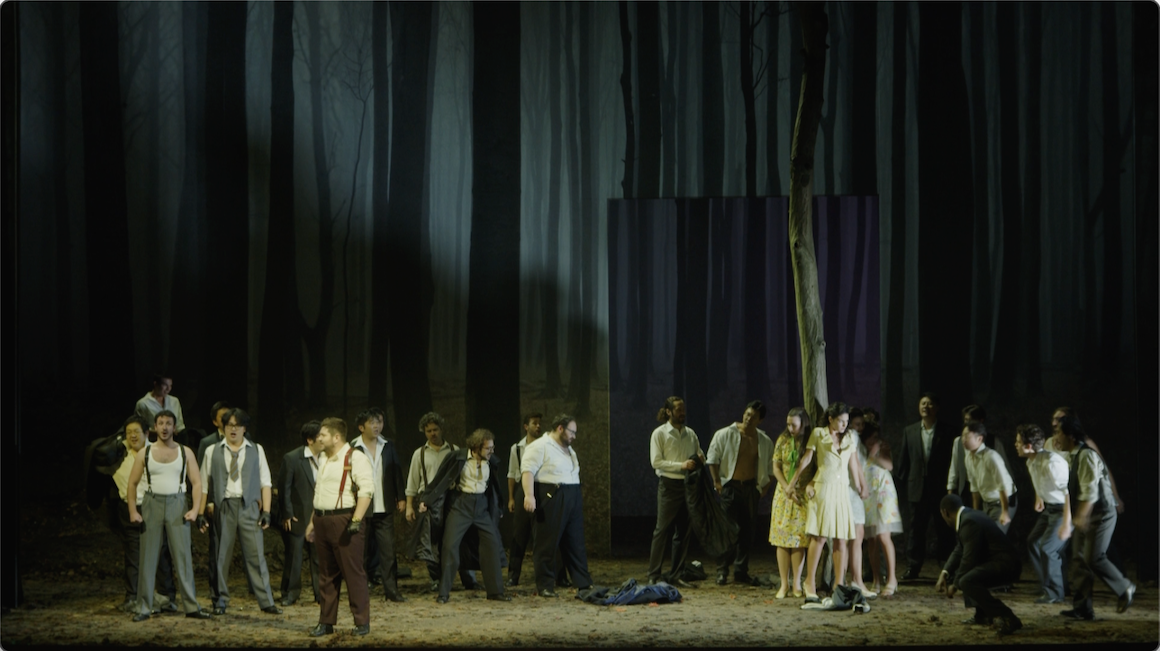
Lucie de Lammermoor is Donizetti’s reworking of his Scottish opera for a smaller, non-subsidised Paris theatre.  It’s not just a translation.  Some scenes are rearranged and minor characters are pruned leaving only six in the cast plus chorus.  Donizetti also incorporated what had become performance practice in Italy, substituting an aria from Rosmonda d’Inghilterra; “Que n’avons nous des ailes”, for “Regnava del silencio”.  Otherwise the plot is much the same.

1.hunters Continue reading →