
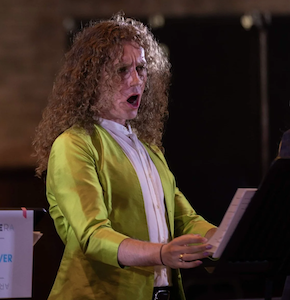
 My second Walter Hall DMA recital on Tuesday featured one of Toronto’s most interesting, and least predictable, musical talents; countertenor Ryan McDonald. Having seen Ryan perform as Dido and as a rather menacing nightmare figure in Rebecca Grey’s Bus Opera (as well as in several more conventional capacities!) I was expecting the unexpected. The presence on stage of a drum kit rather reinforced that.
So, no big surprise that the opening number was “Mon coeur s’ouvre à ta voix” from Saint Saêns’ Samson et Delila (with Ivan Estey Jovanovic at the piano). It was some gorgeous singing as long as one wasn’t distracted by the shiny back outfit topped by a transparent rain cape (really sorry there are not more photos!). Then after a quick change to something that looked a like a very shiny vampire impersonating a boy in the lower school at Eton, we got a lovely account of John Dowland’s If my complaints could passions move which was bookended by electronics and some vocalising into the piano. This was followed by a straightforwardly lovely version of Schumann’s “Der Nussbaum”. And so to “Dido’s lament”. I did mention that I’d seen Ryan sing the role some years ago in Opera Q’s gender bending Dido and Belinda. Continue reading
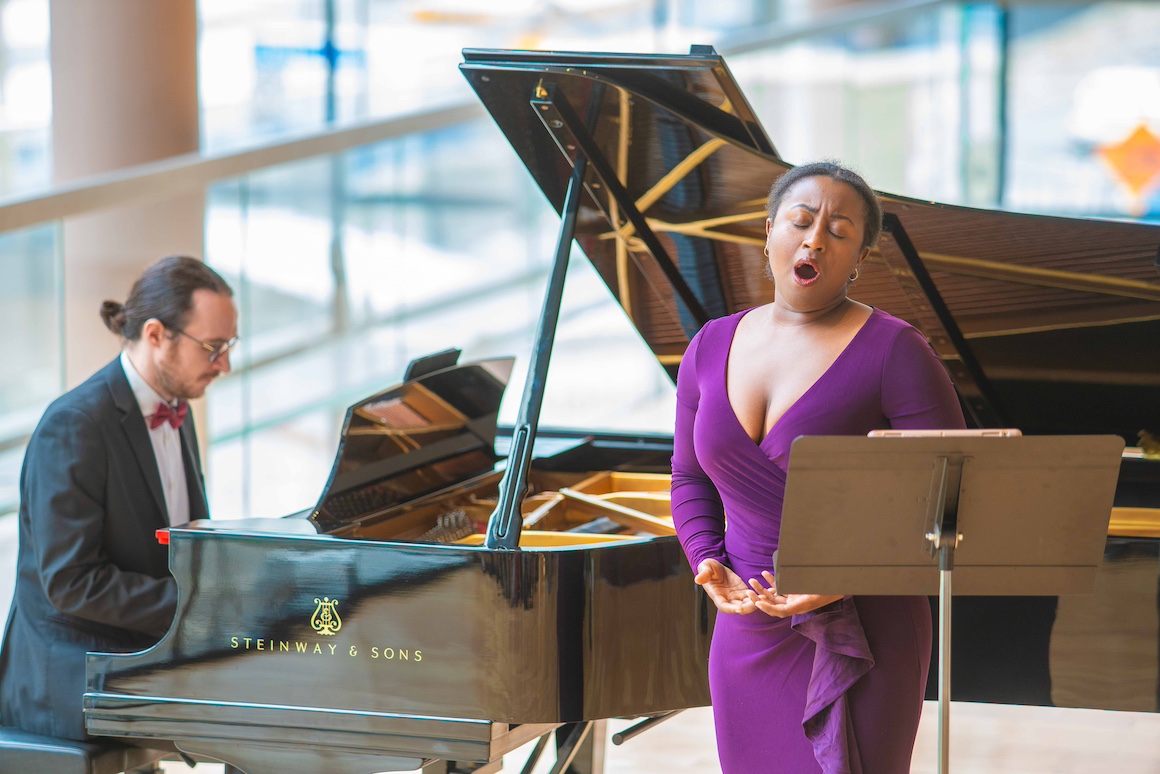
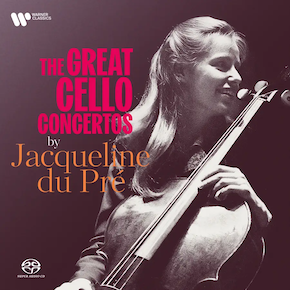
 Saint-Saëns Déjanire, of 1911, was his last opera. The plot is basically the same as Handel’s Hercules. Déjanire is infuriated by Hercule’s infatuation with Iole so he gives him a poisoned robe; itself a gift from the Centaur Charon, which kills him. There are a few plot tweaks. Iole is in love with Philoctète and agrees to marry Hercule to save his life. But, basically classic, simple plot.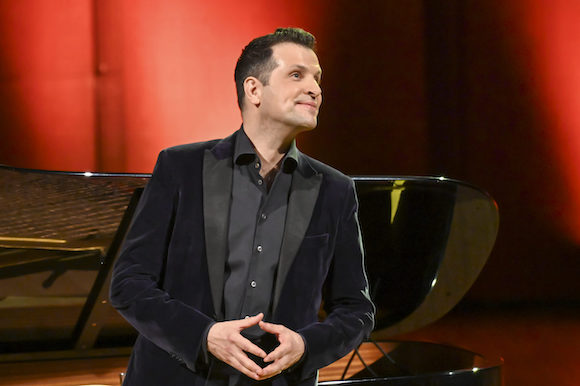
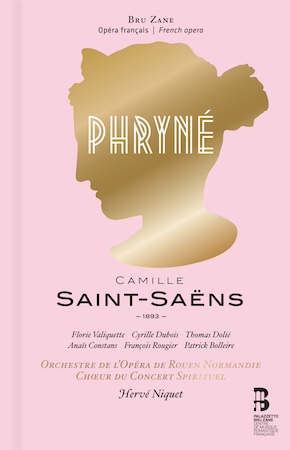 The latest release in the CD/book series from the Palazetto Bru Zane is Saint-Saëns’s 1893 opéra comique, Phryné, loosely based on an incident in the life of the famous 4th century BCE courtesan. It’s a two-act piece lasting about 65 minutes. The original was given with spoken dialogue, but as so often with this genre, recitatives (here added by André Messager in 1896) have been used in this recording, as they were in most contemporary performances.
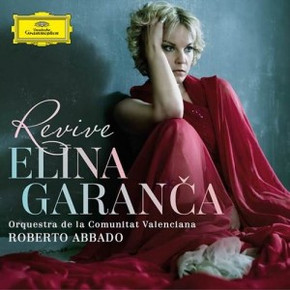 I’ve just been listening to Revive; a new recital disk from Elina Garanča. It marks her move into more dramatic territory as she enters her fifth decade. It also says quite a lot about how she wants to develop her career. There’s a very personal introductory essay titled Strong Women in Moments of Weakness and it seems to me that she’s looking to find her place in the 19th century French/Italian romantic/verismo repertoire as opposed to, say, Strauss or Wagner. Certainly the pieces on the disk represent roles like Eboli, Didon, Delila and Hérodiade, as well as some more obscure stuff like Musette from the Leoncavallo La Bohème and Anne from Saint-Saëns Henry VIII.
 operaramblings