
Without notice or fanfare the COC season announcement landed in my email inbox at 11.30 this morning. I kind of miss the old 10am press conference which at least offered an opportunity to ask about the rationale of some of the decisions. I guess though that the number of people writing about opera in Toronto these days would fit in a phone box so maybe it’s too much to hope for. There are some mildly surprising aspects to the announcement. There’s no Mozart or Puccini nor, more consequential, any sign of the various new opera projects that COC has/had under development which do have a bit of a habit of disappearing without trace. There’s also no “second stage” production. I guess that experiment is done. So it’s six main stage productions in the traditional three pairs.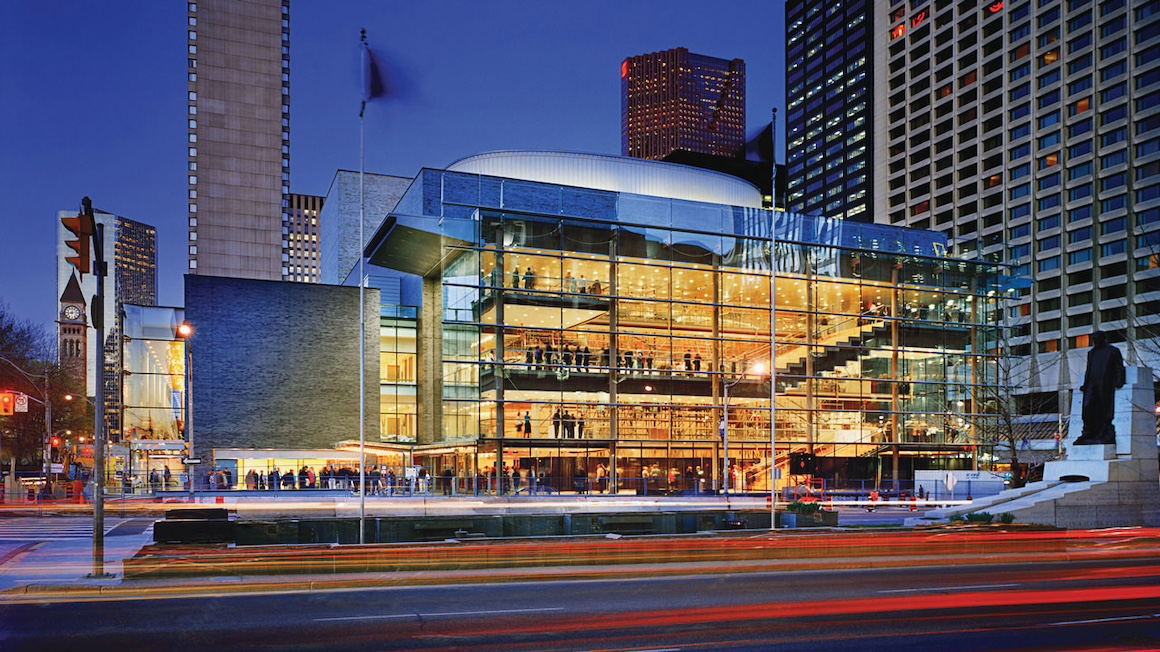 Continue reading
COC announces 2025/26 season
10
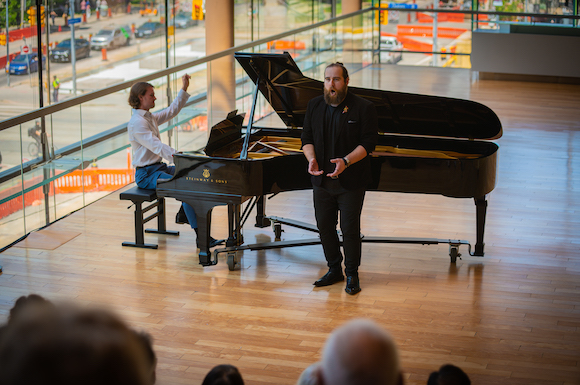
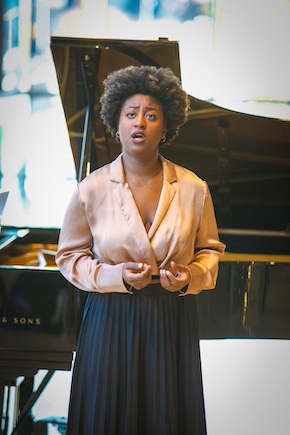 Tuesday’s RBA concert with members of the Ensemble Studio was themed around composer rivalries though not the really toxic ones. No Mozart/Salieri or Wagner/Meyerbeer here! The most convincing as a rivalry was the first; Berlioz vs Rossini. So Queen Hezumuryango sang “Le spectre de la rose” with some sensitive handling of the text and a pretty fiery “Cruda sorte” from L’Italiana in Algeri with plenty of emotion. I definitely like her voice more when she’s going for drama as she’s got plenty of power and expressiveness.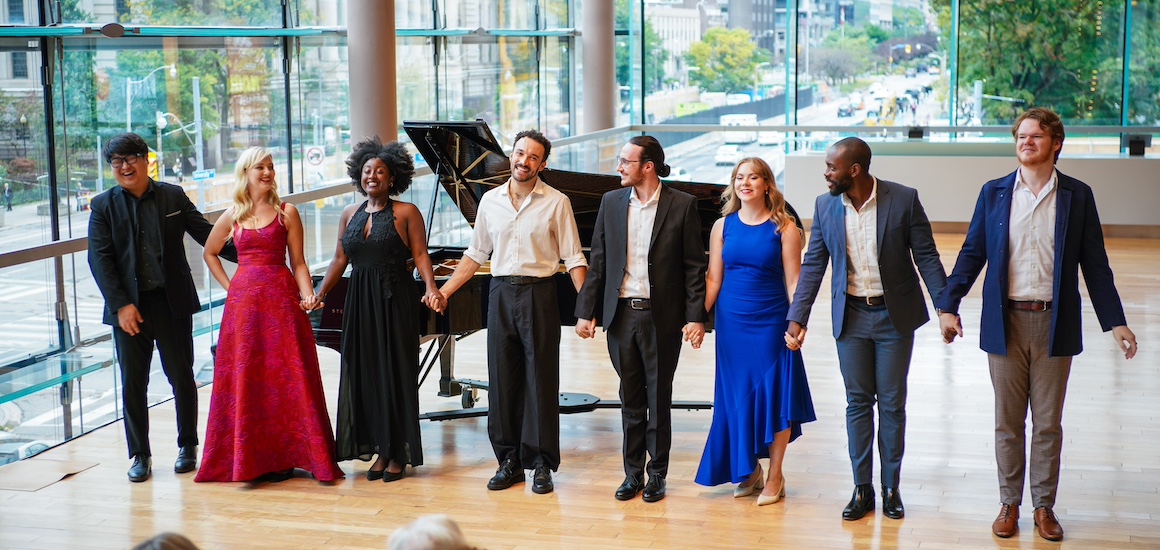
 The Met HD in cinemas line up has been announced for 2024/25 so here’s my take on it. The first thing to notice is that there are only eight shows. There have been ten per season since 2012/13 and twelve before that. This is likely a reflection of the problems with audience numbers that all North American opera companies have been having. In the same time period the COC has cut back from 65-70 main stage performances per year to 42 and the Met’s “in house” audience problem has been well publicised. So what does that leave us with?

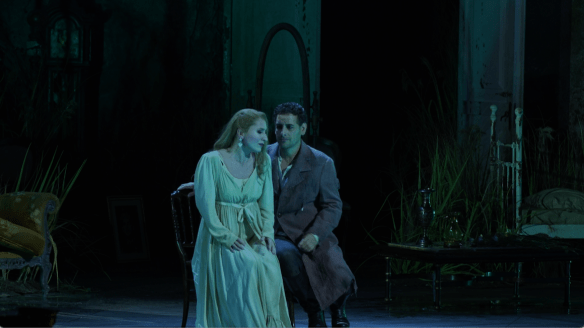
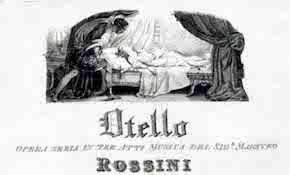 Rossini’s Otello is an interesting piece with a completely different plot to the Shakespeare/Verdi version. It’s entirely set in Venice for a start. For more details on the plot and the not insignificant casting demands you might find the first few paragraphs of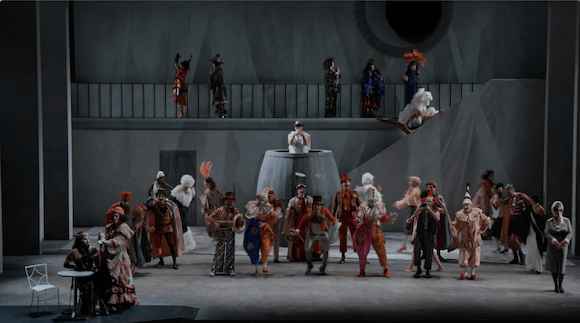
 operaramblings