
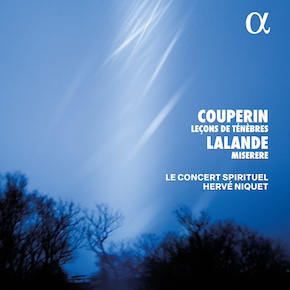
 Leçons de Ténèbres is a genre that became popular in France in the 17th and 18th century. It’s a set of texts from the Vulgate version of the Book of Jeremiah to be sung on Wednesday, Thursday and Friday of Easter week. Over time setting these texts became something of a competitive exercise as they came to play a similar role to Handel’s oratorios in 18th century England. They were musical works that one could listen to during Lent when most other musical outlets were unavailable. The fashionable set would roam from church to church in search of the finest settings and the finest singers. Continue reading
Couperin’s Leçons de Ténèbres
Reply
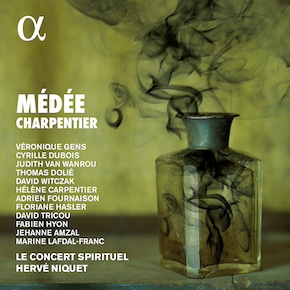 Cherubini’s Médée of 1797 is undergoing something of a revival at the moment albeit in an Italian version. But there’s an earlier and less known version of the same story with a libretto by (as opposed to based on) Corneille. It’s Charpentier’s Médée of 1693. It’s a tragédie lyrique with all the expected elements; an allegorical prologue in praise of Louis XIV, a classical subject, five acts, gods, spirits and demons and lots of spectacular theatrical effects. The Lully formula in fact.
 operaramblings