
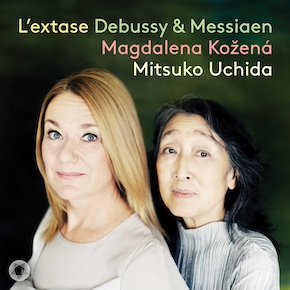
 L’extase: Debussy and Messiaen is a new CD from mezzo-soprano Magdalena Kožená and pianist Mitsuko Uchida. There are four sets of songs; three by Debussy and one by Messiaen. The Debussy sets are Trois Chansons de Bilitis which set texts by Pierre Louÿs, Cinq poèmes de Charles Baudelaire and Ariettes oubliées to tests by Paul Verlaine.
To my ear all these cycles inhabit a similar sound world. It’s very beautiful and languorous for the most part with something just not quite wholesome about it. We are clearly looking forward to the language of Pelléas et Mélisande. Only occasionally does something a bit more dynamic happen as in the quite dramatic “La tombeau des Naiades” from the first set and the lively “Chevaux des bois” from the Verlaine settings. Continue reading
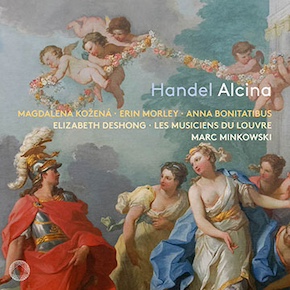 The new recording of Handel’s Alcina from Marc Minkowski, Les musiciens du Louvre and a rather starry line up of soloists is very good and quite interesting. It’s very complete. As far as I can tell all the ballet/dance music is included and so are all the Oberto scenes and all his arias. In all the staged performances I’ve seen (live or video) one or both are usually heavily truncated and I have seen versions where Oberto doesn’t feature at all.
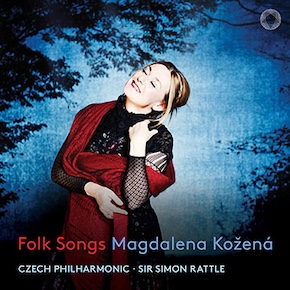 The new CD from husband and wife team Magdalena Kožená and Sir Simon Rattle consists of four sets of folk songs arranged for mezzo-soprano and orchestra; all of them pretty well known. There are the Five Hungarian Folk Songs of Bartok, Berio’s Folk Songs (all eleven of them), Ravel’s Cinq mélodies populaires grecques and Montsalvatge’s Cinco canciones negras.
 operaramblings