Genrefuck is a double bill that opened on Wednesday at Buddies in Bad Times. It consists of two one performer shows; Reina written by Augusto Bitter and performed by Jaime Lujan, and Never Walk Alone written and performed by Julie Phan.
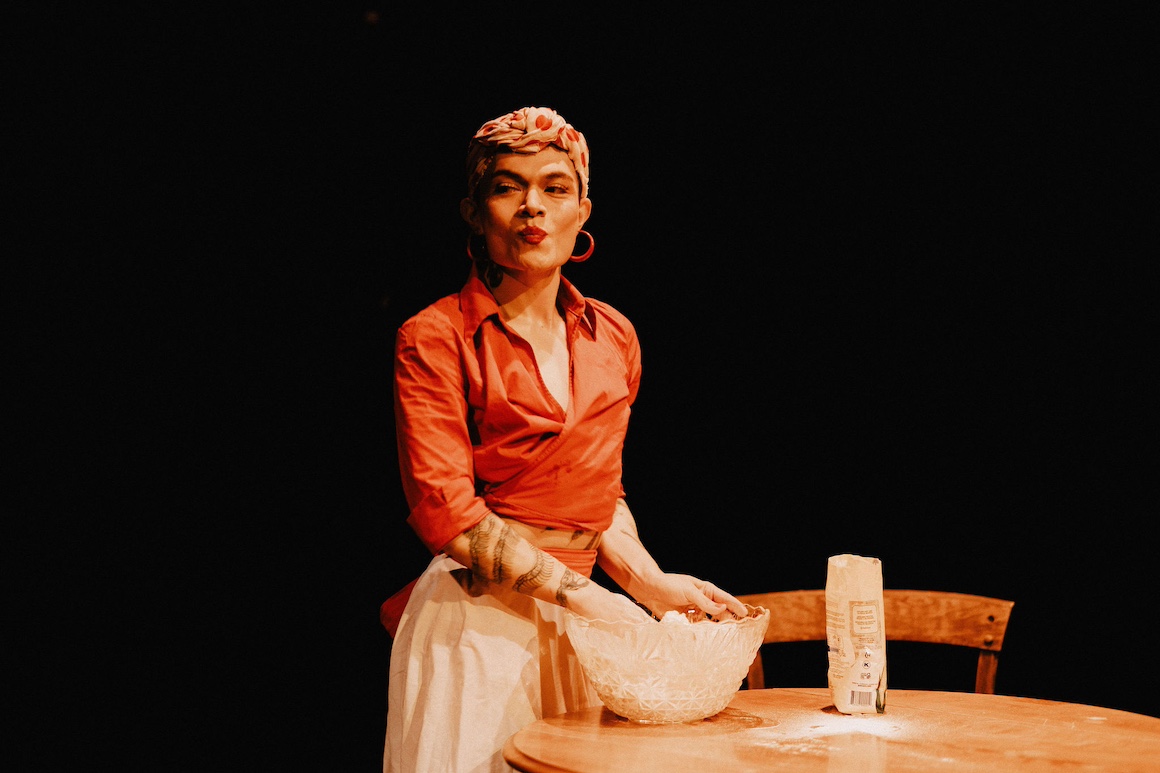

Genrefuck is a double bill that opened on Wednesday at Buddies in Bad Times. It consists of two one performer shows; Reina written by Augusto Bitter and performed by Jaime Lujan, and Never Walk Alone written and performed by Julie Phan.
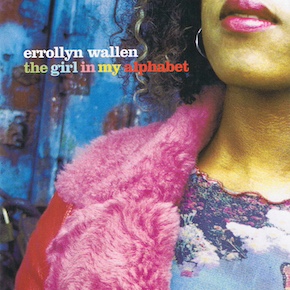 The Girl in My Alphabet is a 2002 CD of music by Errollyn Wallen; the Belize born composer recently appointed Master of the King’s Music. It contains six works for various instruments and small ensembles; some with vocals, and it’s very varied.
It starts with Dervish, a 2001 piece for piano and cello, played by Dominic Harlan and Matthew Sharp. It starts slowly with doom laden piano and scoopy cello but, like a Sufi dance, speeds up and becomes very fast and busy. An impressive beginning.
 Once in a while one comes across a really impressive new opera and I would put The Lord of Cries; music by John Corigliano, text by Mark Adamo, into that category. It’s an example of how opera is good at telling “big stories”. In this case the base material is Euripides’ Bacchae but Adamo has relocated it to 19th century London and very cleverly layered onto it the core elements of Bram Stoker’s Dracula to create a multi-layered and subtle psychological thriller.
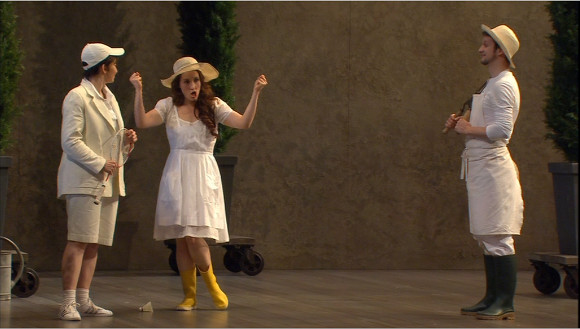
Mozart’s La finta giardiniera is pretty thin stuff. The libretto is dreadful. The fits of madness start before the opera gets going when Count Belfiore tries to murder his fiancée Marchioness Violante. She runs off and becomes a gardener aided by her man-servant Roberto. There’s another gardener, Sarpetta, who is being wooed by Roberto (alias Nardo) and Violante’s (now Sandrina) boss the mayor has a niece, Arminda, who now plans to marry Belfiore to the dismay of her former lover Ramiro. And along the way the mayor, Don Anchise, gets the hots for Sandrina. Throw in a whole lot of confusion about Sandrina/Violante’s identity (because she keeps claiming that she’s not Violante or is just pretending to be Violante depending who she is talking to) and it’s no wonder that everyone goes mad at least once. Frankly the audience has every right to as well. And there’s three hours of this. The music is OK. It’s Mozart at 18 and he’s writing to a formula most of the time. So we get workmanlike but predictable arias and ensembles that only occasionally hint at what is to come in the later operas.
 operaramblings