
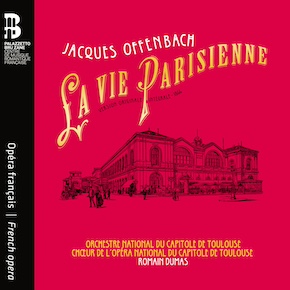
 A couple of years ago I took a look at the Bru-Zane reconstruction of the “original”; never performed, five act version of Offenbach’s La vie Parisienne. That version was recorded live on stage in Paris; which was one stop on a multi-city tour. Now it’s got the full Bru-Zane audio recording treatment complete with a 240 page book with much more information about what they did (and why) to create the performing edition used. I won’t duplicate what I said in the review of the video but there are some things I noticed anew on the audio version. Continue reading
The complete La vie Parisienne… encore
Reply
 Philippe Boesmans’ last opera, On purge bébé, premiered at La Monnaie/De Munt in Dember 2022, a few months after the composer’s death. It’s a one act farce to a libretto by Richard Brunel after Feydeau. Predictably it’s extremely silly and rather French. It begins with an argument between a porcelain manufacturer (Follavoine) and his wife as they try to discover where Les Isles Hébrides are at the request of their unpleasant and constipated seven year old son. Looking under “Z” and “E” doesn’t help very much but it serves as a backdrop to their argument about administering a laxative to said son while awaiting the arrival of a fonctionnaire (Chouilloux) charged with sourcing 300,000 unbreakable chamber pots for the French Army.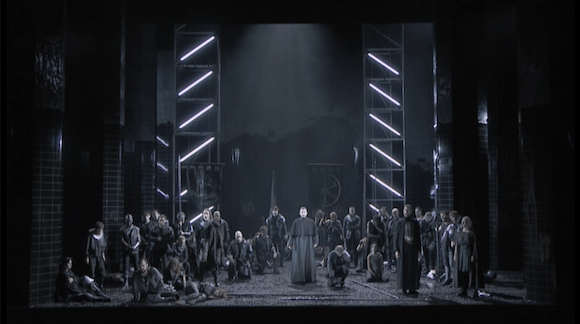
 operaramblings