
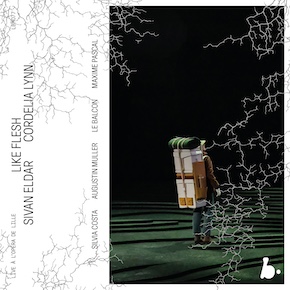
 So another rather interesting chamber opera from Europe has come my way. It’s Like Flesh; music by Sivan Eldar and English language libretto by Cordelia Lynn. It’s 80 minutes long and uses three soloists, a chorus of six and an eight piece instrumental group plus electronics. It’s sort of a modern ecological take on Ovid’s idea of a woman turning into a tree. Here the woman is unhappily married to the Forester who buys into the basic idea that Nature exists to serve humans and is a willing accomplice in environmental degradation. There’s also a female student who is studying the forest and is discovering much that isn’t covered in the classroom. The transformation takes place against a back drop of destructive wild fires and the wanton felling of woodland to make way for concrete. Given the subject matter, the libretto is really quite poetic. Continue reading
Like Flesh
Reply
 I don’t review a lot of full length audio only recordings of mainstream operas. Generally I think video makes more sense but sometimes something comes along that attracts my attention. The recent recording of Handel’s Serse by the English Concert with Harry Bicket was one such. This time it’s the cast that caught my attention. There’s Emily d’Angelo (are we allowed to call her “young” or “emerging” any more?) in the title role but also such fine Handel singers as Lucy Crowe as Romilda and Mary Bevan as Atalanta. As it turns out there’s not a weak link in the cast and while these three turn in fine performances so do Daniela Mack (Amastre), Paula Murrihy (Arsamene), Neal Davies (Ariodata) and William Dazeley (Elviro).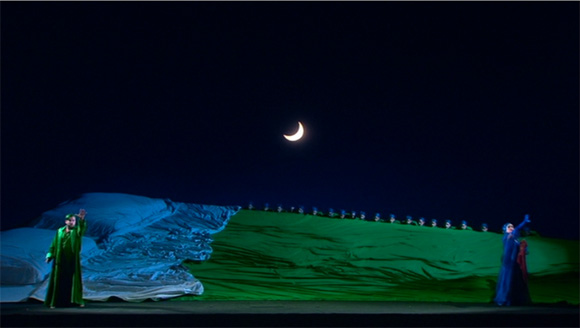
 operaramblings