
 Butterfly Lightning Shakes the Earth is a new miniature album of her own compositions by cellist India Gailey. Back in the day we would probably have called this an EP as there is about 20 minutes of music in all.
The first piece; Mountainweeps, consists of three sixty second pieces for solo cello. This was written for Arlen Hlusko for Instagram performance when that platform limited videos to sixty seconds! It’s a sort of meditation on the impact of climate change on alpine environments. It’s quite complex for such a short piece and quite beguiling. Continue reading
 My review
 My review
 Ajdad – Ancestors (Echoes of Persia) is a new CD from the Amir Amiri Ensemble. I had a chance to hear them play at Alliance Française on Friday night as well as listening to the CD which provided some extra perspective. It’s always interesting to watch musicians. Most of the music on the CD is composed by Amir Amiri with a couple of arrangements of other composers’ work. Amiri’s roots are in the classical Persian tradition but he goes well beyond that with quite strong Arabic influence as well as Turkish, Kurdish and Western classical elements. In a sense it’s a nod to what was once a more integrated musical culture that to some extent has been fractured by the political divisions of the last 100 years or so.
  I guess I’ve learned never to expect the predictable from Emily D’Angelo (except for the black clothes and boots). Her new album; freezing, is as unexpected as
  Picture a Day Like This is the latest operatic collaboration between George Benjamin and Martin Crimp (Written on Skin, Lessons in Love and Violence). It’s basically an hour long chamber opera written for five singers and chamber orchestra and it’s now been recorded for CD by Nimbus.
 I first came across the music of Errollyn Wallen in a recent recital by Sarah Connolly and Joseph Middleton. There was a quality in her music that reminded me of some other composers of Caribbean origin writing about the immigrant experience in Canada. Wallen is from Belize but now lives in Scotland (in a lighthouse no less) and her music is quite varied. Unusually, besides being a classically trained composer, she also sings while accompanying herself on the piano and the works she has written for that genre definitely have a singer/songwriter vibe.
 The second disk in pianist Malcolm Martineau’s project to record all the Brahms songs will soon be available. It features twenty nine songs for low voice with, as far as i could tell, no theme. All the works have titles like Fünf Gesänge Op.72 which actually starts the disk.
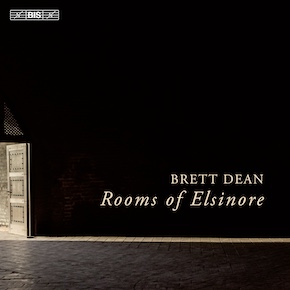 Rooms of Elsinore is a new CD of music related to
 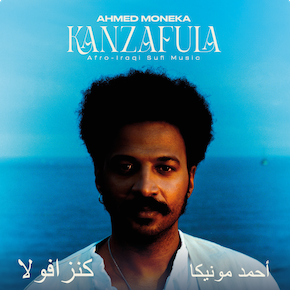 What I’m going to do here is use a review of a new CD by Toronto based musician/actor Ahmed Moneka as a means to explore some ideas about listening to music. But first the CD itself. It’s called Kanzafula and it contains nine tracks rooted in an unusual musical tradition; that of the Afro/Iraqi Sufis of Basra. These are descendants of people originally from the East coast of Africa who wound up in Basra in the 8th century CE and have maintained a rich musical tradition combining Arabic and African influences.
