Zoraida di Granata

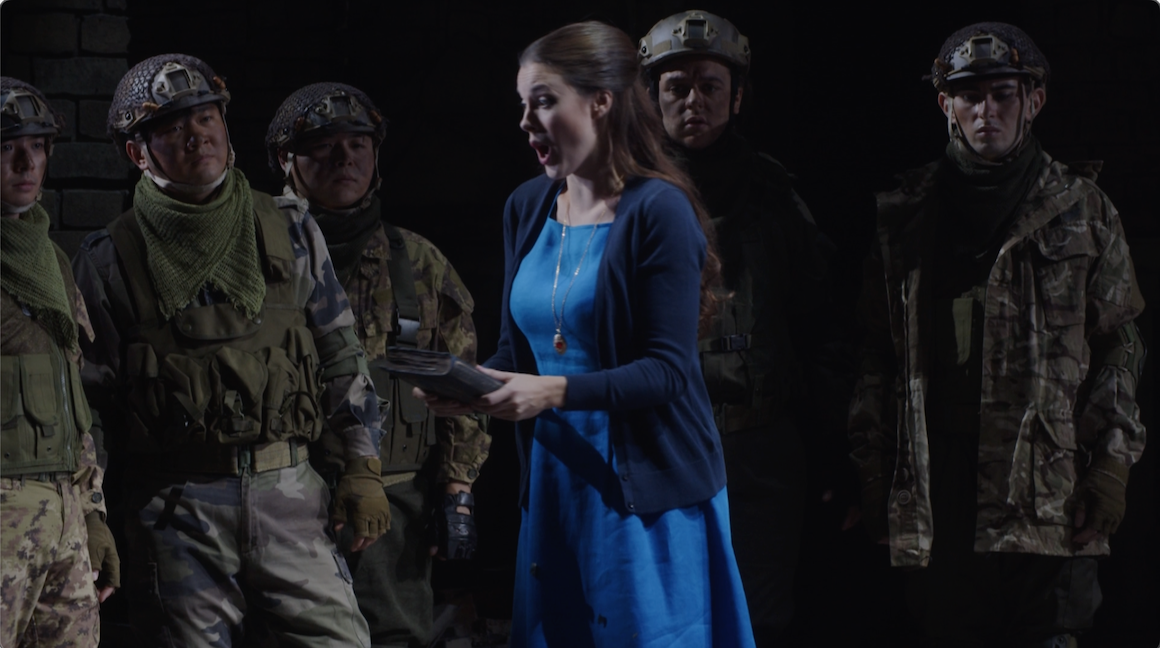
Zoraida di Granata is an early serious opera by Donizetti.  It’s set in Muslim controlled Granada in 1480.  The city is under siege by the Spanish and the usurper Almuzir is in control and wants to marry Zoraida, daughter of the former king, but she’s in love with Abenamet, leader of the aristocratic and warlike Abencerrages.  Almuzir makes Abenamet commander in chief of his army and entrusts him with a sacred flag.  If he returns victorious and with the flag he gets Zoraida but if he loses the flag he’ll be executed as a traitor.  Naturally Almuzir has arranged for his sidekick, Ali, to betray the flag to the Spanish.  The victorious hero is going to be executed but Zoraida promises to marry Almuzir if he spares Abenamet.  Then the lovers meet secretly and after the statutory rowing about Zoraida betraying him Abumet exits.  But Ali has overheard the conversation and gets Zoraida sentenced to death for treason.  Only a knight showing up to defend her in trial by combat can save her (that again!).  Of course it’s Abenamet in disguise and he beats Ali who fesses up.  The clan want to kill Almuzir and Ali but Abenamet forgives them and in return gets the girl.
Continue reading

Bechtolf Round Two – Don Giovanni

Sven-Eric Bechtolf’s second Mozart/daPonte for Salzburg was Don Giovanni which premiered in 2014.  There are some similarities with his Così fan tutte.  He uses a symmetrical unit set again and shows a fondness for creating symmetrical tableaux vivants but there the similarities pretty much end.  I could find a consistent, believable set of humans in Così but not so much in Don Giovanni.  The problem is really the man himself.  Bechtolf, in his notes, seems to be arguing that Don Giovanni can make no sense in an age of pervasive accessibility and exposure to all things sexual.  Da Ponte’s Don requires a climate of sexual repression for his essence; to Bechtolf a kind of Dionysian force (he cites Kierkegaard), to make any sense as a human.  I think I get that but then, I think, the challenge becomes to create a Don Giovanni who does make sense to a 21st century audience as, in their different ways, do Guth and Tcherniakov.  Bechtolf seems to treat the character not so much as a human rather than as a kind of energy focus who exists by igniting aspects of the other characters; whether that’s lust or jealousy or hatred.  He caps off this idea at the end by having Don Giovanni reappear during the final ensemble as a kind of mischievous presence still chasing anything in a skirt, even if it’s, perhaps, from another world.  It’s an idea that I could not really buy into.

1.stab

Continue reading