
Opera Atelier’s fall offering is Marc-Antoine Charpentier’s La descente d’Orphée. It’s rather curious that such a rarely performed work should have had two productions in Toronto within a few months but there you go! It’s also a work that was conceived on quite a small scale. At the time of composition Lully had a monopoly on presenting opera in theatres in Paris so Charpentier’s work was written for the Duchesse de Guise and presented in private performance.
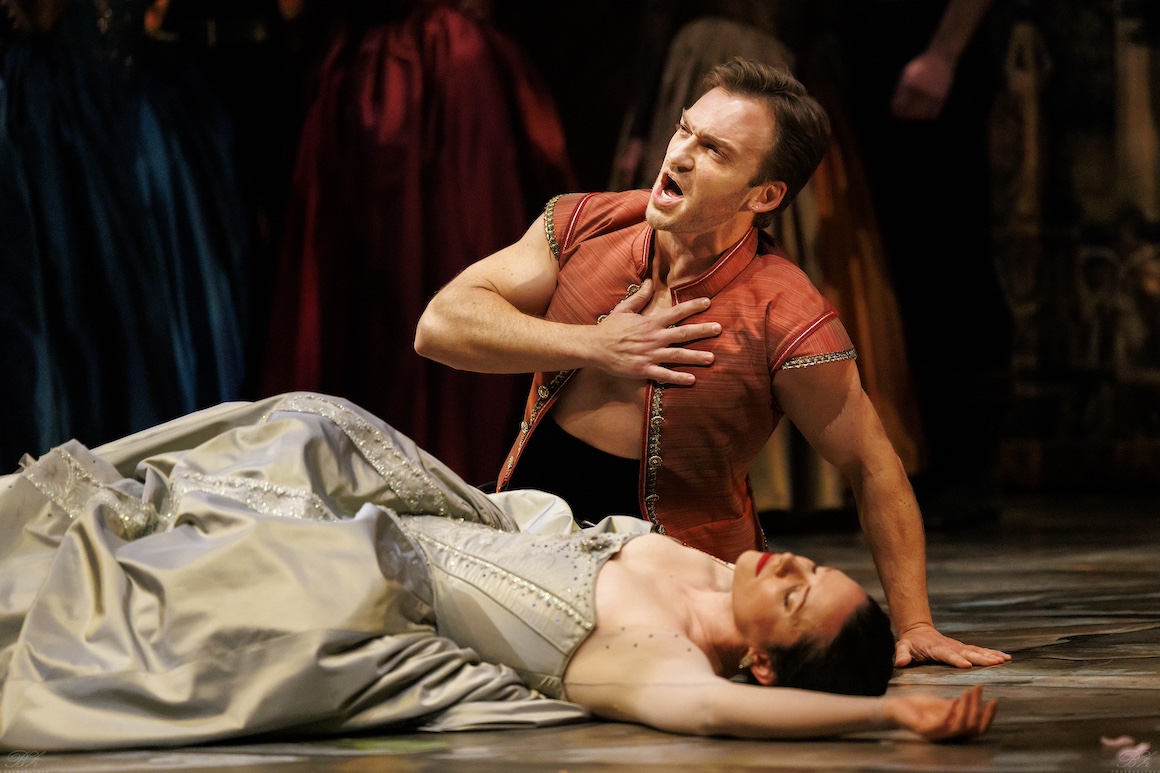
Opera Atelier’s version is on a similar scale to the original. The orchestra is ten strong and conducted from the harpsichord. The chorus is, I think, eight strong and also manages multiple roles; only the four principals; Orpheus, Eurydice, Pluto and Persephone excluded.
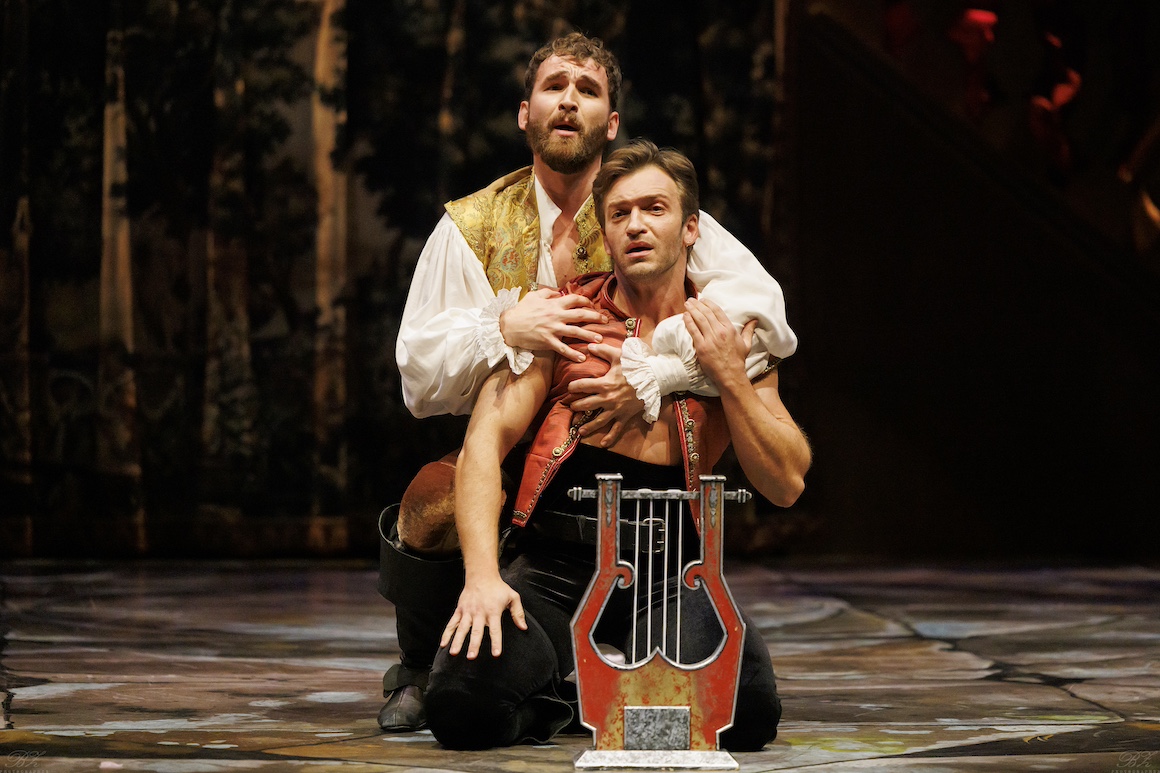
The venue is Koerner Hall and the set used includes elements from the company’s production of Handel’s the Resurrection; notably a double staircase linking stage and balcony. Other architectural elements; pillars with escutcheons for example, seem to belong to an even earlier period than the piece but the use of projections and a dynamic lighting plot suggest something more contemporary, as do some of the details of Gerard Gauci’s designs.
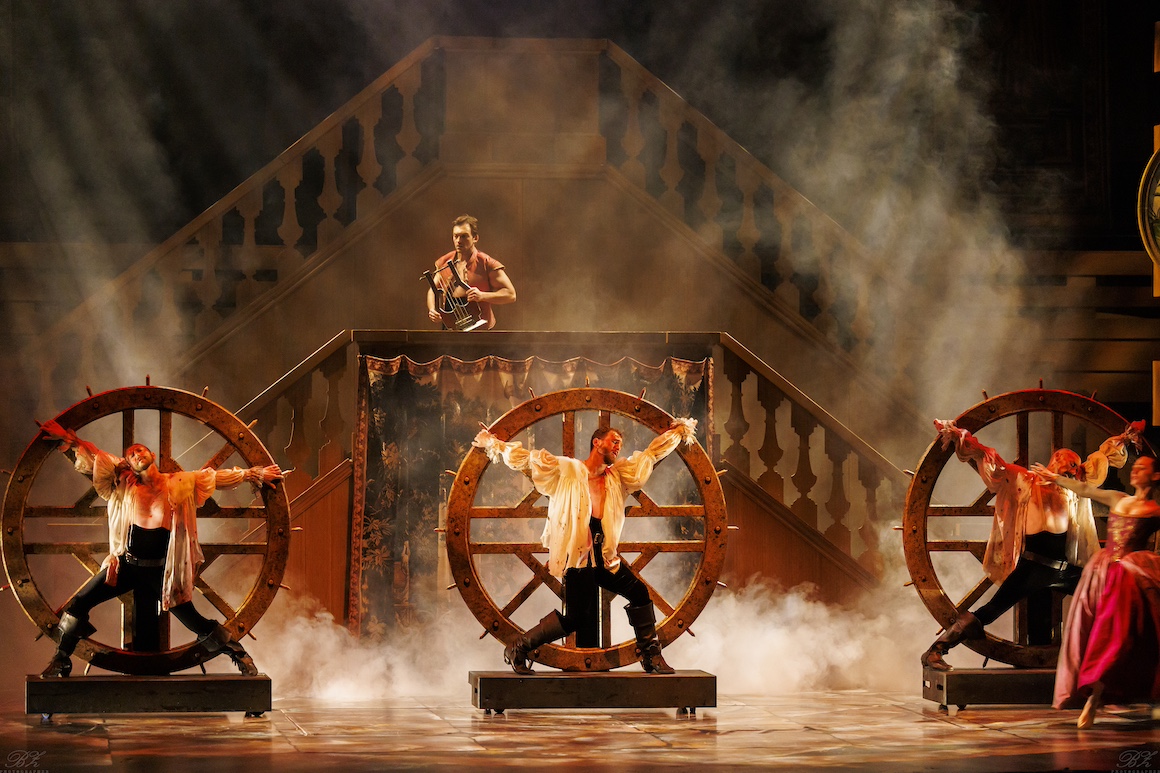
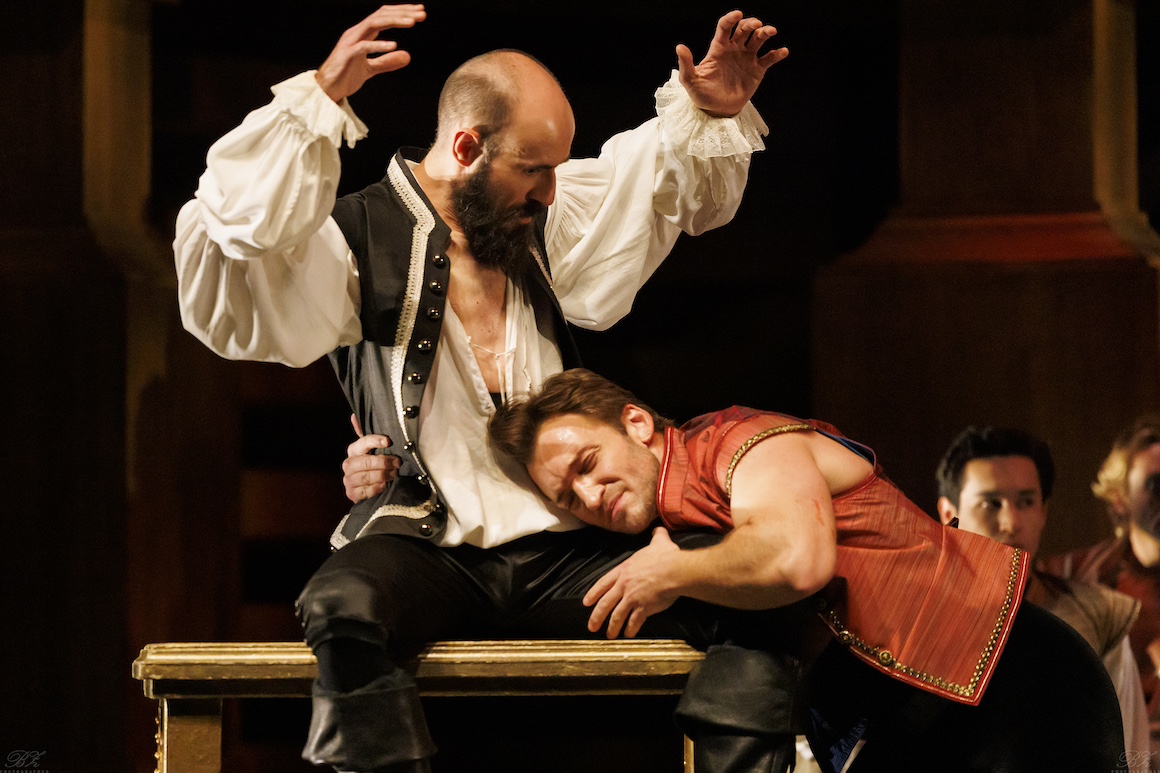
Otherwise the production, directed by Marshall Pynkoski and choreographed by Jeanette Lajeunesse Zing is pretty typical Opera Atelier. The dance elements are executed in the usual Opera Atelier style, and rather well. There’s a tendency for characters to be arranged around the set in painterly groups. There’s a lot of stylized toing and froing. I did like the torture wheels provided for Tantalus, Prometheus and Ixion as they bemoan their fates. I was less keen on inserting an opening scene in which Measha Brueggergosman-Lee sang Vaughan-Williams’ Orpheus with his Lyre. I don’t think it added anything and was stylistically out of place. I’m also not sure why an interval was required in a show that ran well under two hours including said interval. Toronto audiences are very used to ninety minute one-acters and actually seem to prefer it. I know I do.
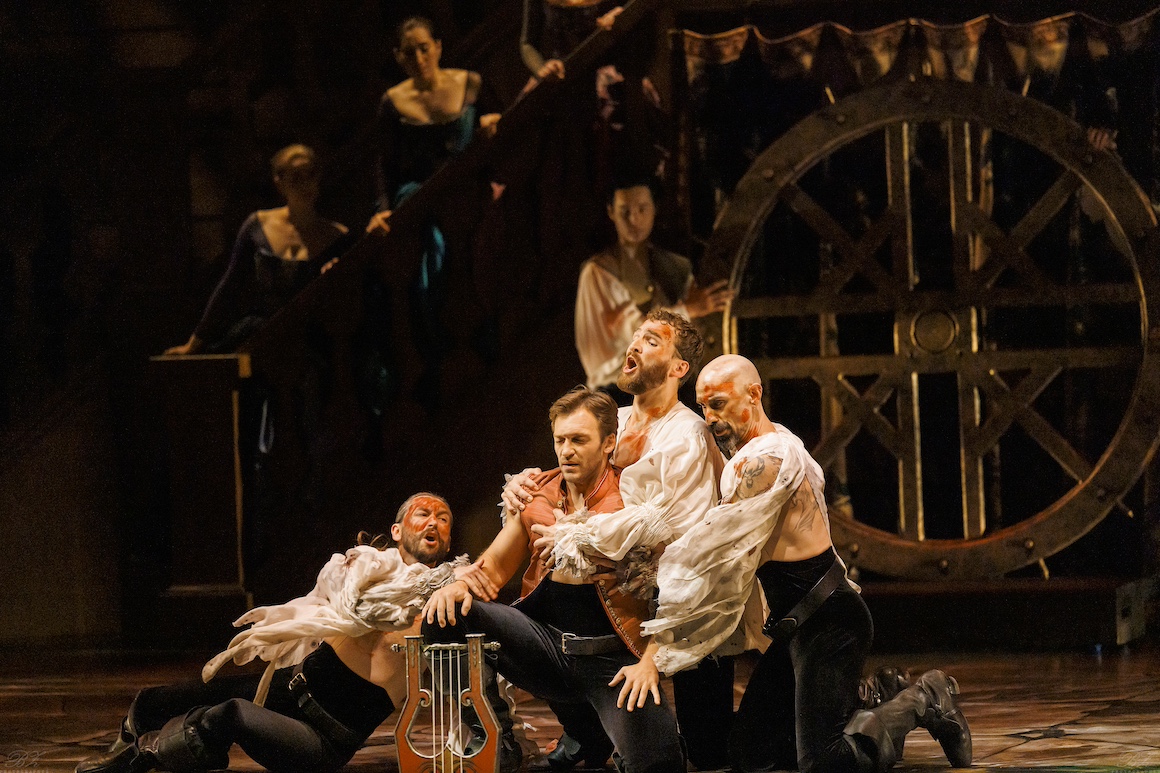
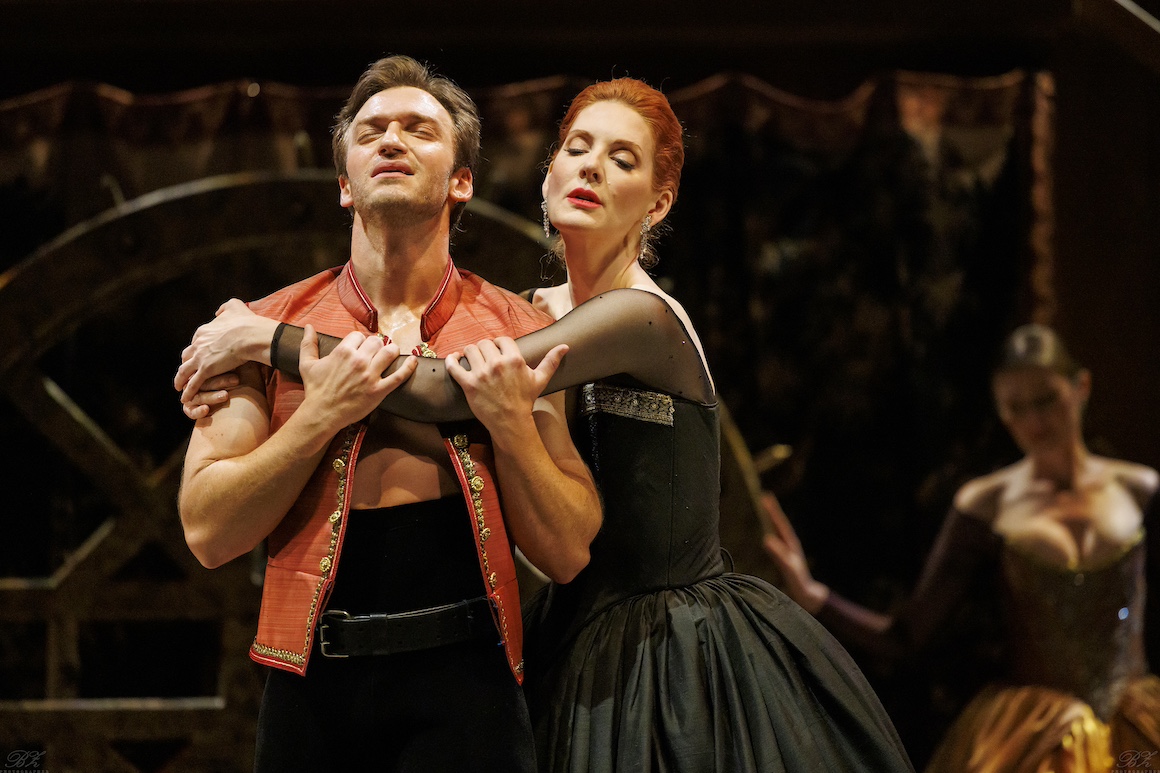
The singing was good. Daniel McGrew, singing Orpheus, is a proper haut-contre and managed the high sections with ease and most stylishly. Mireille Lebel made a splendid Persephone; singing with beautiful rich tone and looking every inch Queen of the Underworld. Some might find David Witczak’s baritone voice a bit gruff but I thought it just emphasized the implicit menace of Pluto. He too looked the part. Mireille Asselinin made a charming Eurydice though, to be honest, she doesn’t have a whole lot to do. The “chorus” all managed their individual and collective work very well. I rather like having a small group of soloist calibre singers rather than a larger more typically chorus-like group!
Christopher Bagan conducted from the harpsichord and he and his small band were one of the highlights of the show. Textures were extremely clear and there was the proper sprightly, almost jazzy, bounce to the playing, especially in the dance movements. Ten players are plenty too in Koerner’s friendly acoustic.
All in all, one of Opera Atelier’s best efforts of recent years.
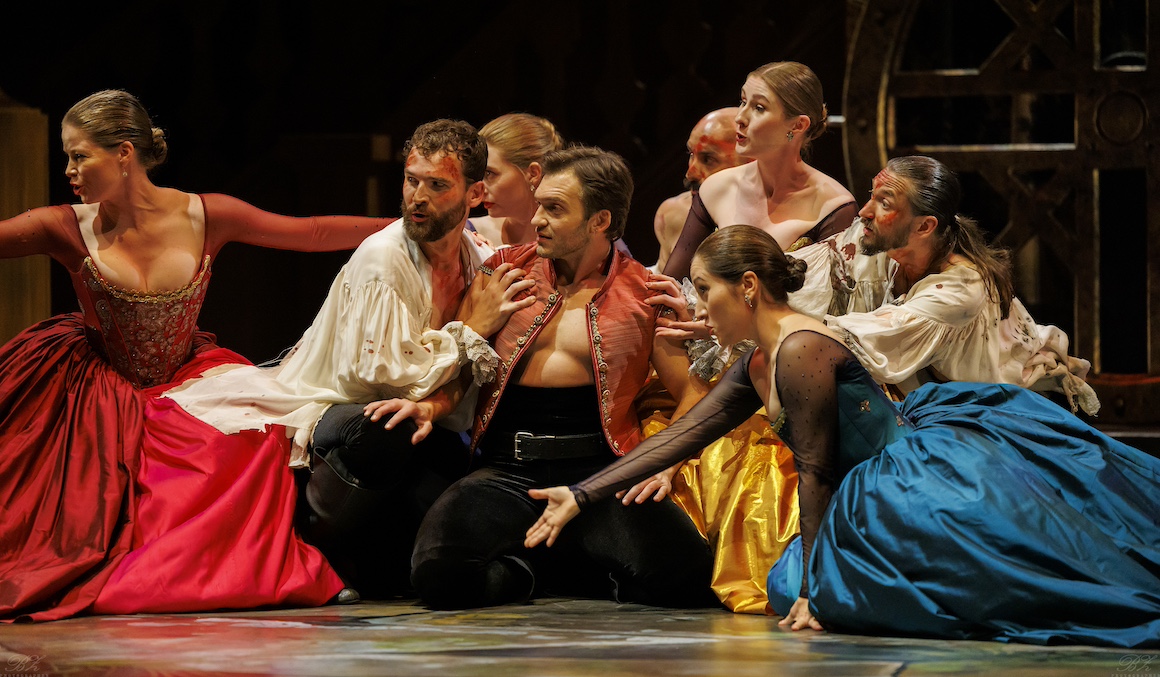
Photo credit: Bruce Zinger

