
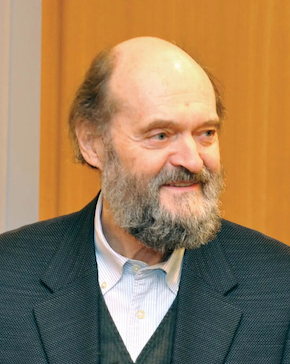
 The final concert in this years Soundstreams TD Encounters series took place at Hugh’s Room on Monday evening. It was themed around the work of Arvo Pärt with two of his works and two connected pieces featured. It begun wit his Es sang vor langen Jahren; a setting of Clemens Brentano’s poem “Der Spinnerin Nachtlied”. It was sung by soprano Xin Wang accompanied by Erika Raum on violin and Sheila Jaffe on viola. It’s quite a lyrical piece with an almost Schubertian vocal line and characteristically minimalist instrumentals. Nicely done.
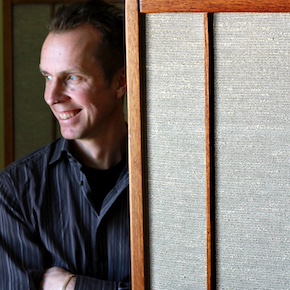 Next up was the world premiere of Omar Daniel’s Runo Songs. These are arrangements of four Estonian folksongs with a melodically simple, but often very fast, vocal line with quite varied violin accompaniment. In places it’s quite lyrical but in others much more abrasive. Xin Wang coped very well with the speed test and, as far as I could tell, singing in what were apparently four different Estonian regional dialects! Erika Raum was also very good in both the lyrical and less lyrical aspects of the work.
 This was followed by Anna Pidgorna’s Meditation on an Invented Folksong. I’ve written about Pidgorna’s Invented Folksongs elsewhere. This piece takes material from that corpus and, influenced by Pärt’s Fratres, turns it into a rather beautiful, lyrical piece for piano (Oskar Raum-Daniel) and violin (Erika Raum). Again, beautifully played. It was a bit inevitable after that that we would finish up with the violin and piano version of Pärt’s very well known Fratres, also beautifully played by Erika and Oskar.
The talkback with Omar Daniel had an unexpected feature. He played clips from two films that Pärt wrote scores for during the time before he left Estonia in 1980. One was a noirish accompaniment to what appeared to be a Polish political thriller (basd on a novel by Stanislav Lem?) and the other was a playful little piece for a kids’ cartoon. Rather a fun idea. The talk was very informative, especially about what drove Pärt to write the kind of music he did, when he did.
 operaramblings