
Overall I rate this cycle very highly. Andreas Homoki’s production is unusual in that it’s really not conceptual and is often very literal. That’s rare in Wagner productions in major European houses. But it’s also not cluttered up with superfluous 19th century “stuff”. When a thing is essential, it’s there as described. If it’s not essential more often than not it’s omitted.
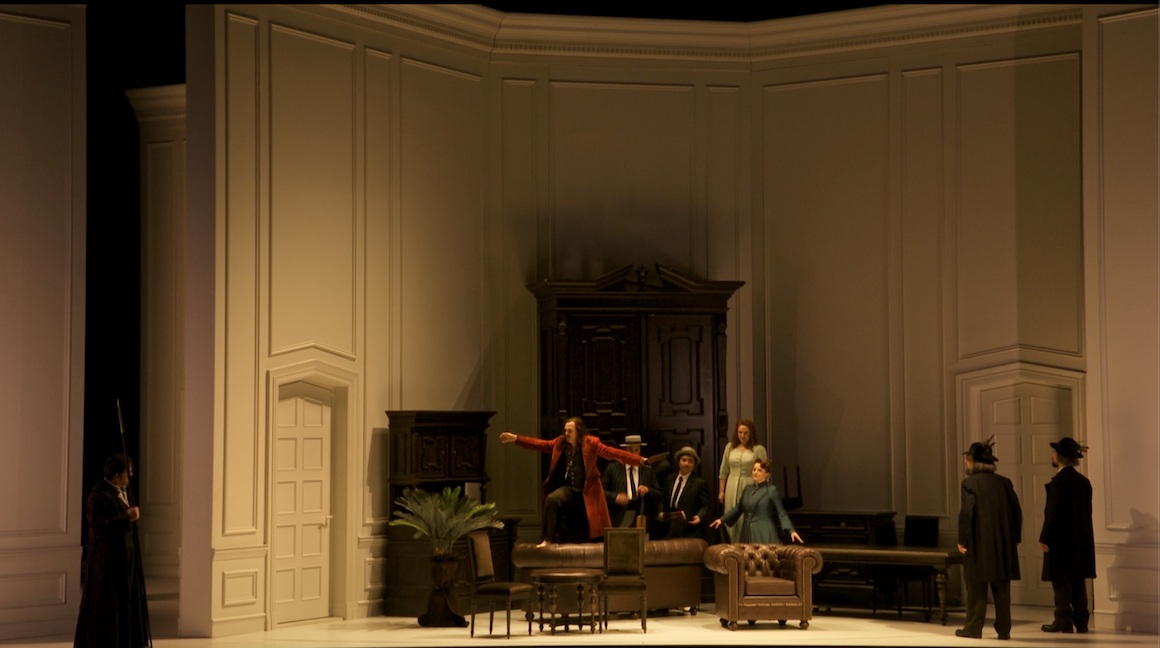
This allows for concentration on the psychological aspect of the drama(s). The two principal psychological arcs are Wotan; played by Thomas Konieczny, and Camilla Nylund’s Brünnhilde. There’s something “not quite right” about this Wotan from the start; overconfidence maybe? He soon realises though that his plans are not just falling apart but are destined to fall apart. In Die Walküre he reacts against this with anger. By Siegfried he’s seeing it as a bit of a joke and by the end he’s pretty much catatonic.
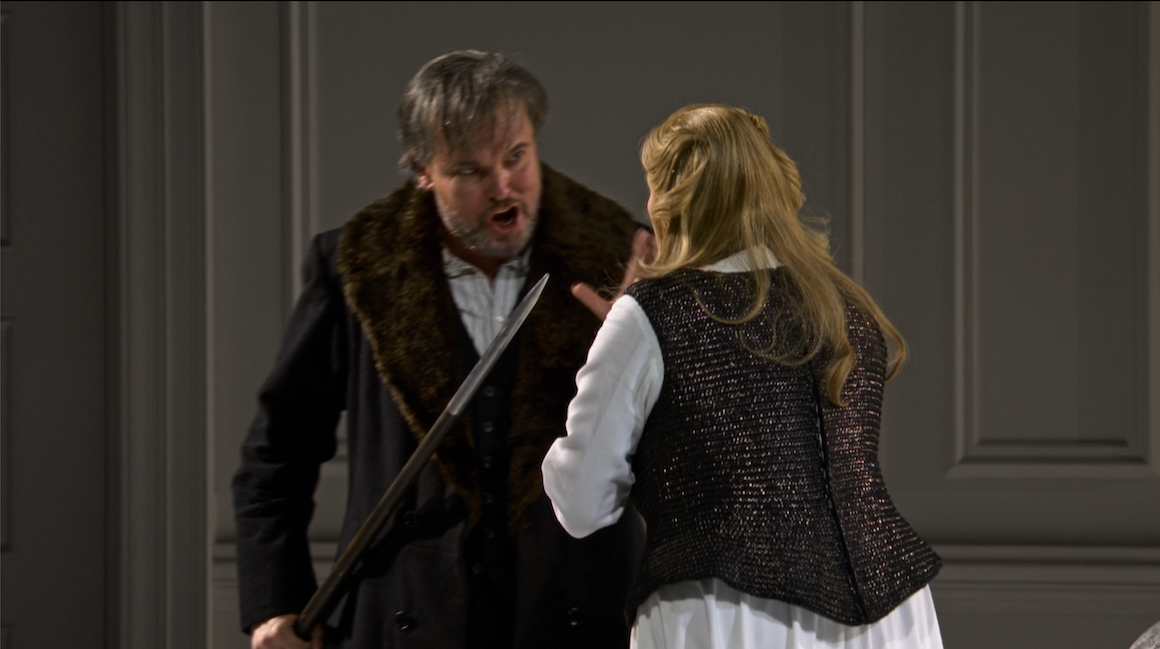
Set against this is Brünnhilde’s journey. Maybe in Die Walküre she still believes she can fix things for the Gods but by the beginning of Götterdämmerung she realises it’s all over for them and she’s somewhere between not caring and absolutely exulting in it. I’m sure all this has been discussed many times in the copious Ring literature but I’ve not seen it as clearly brought out on stage.
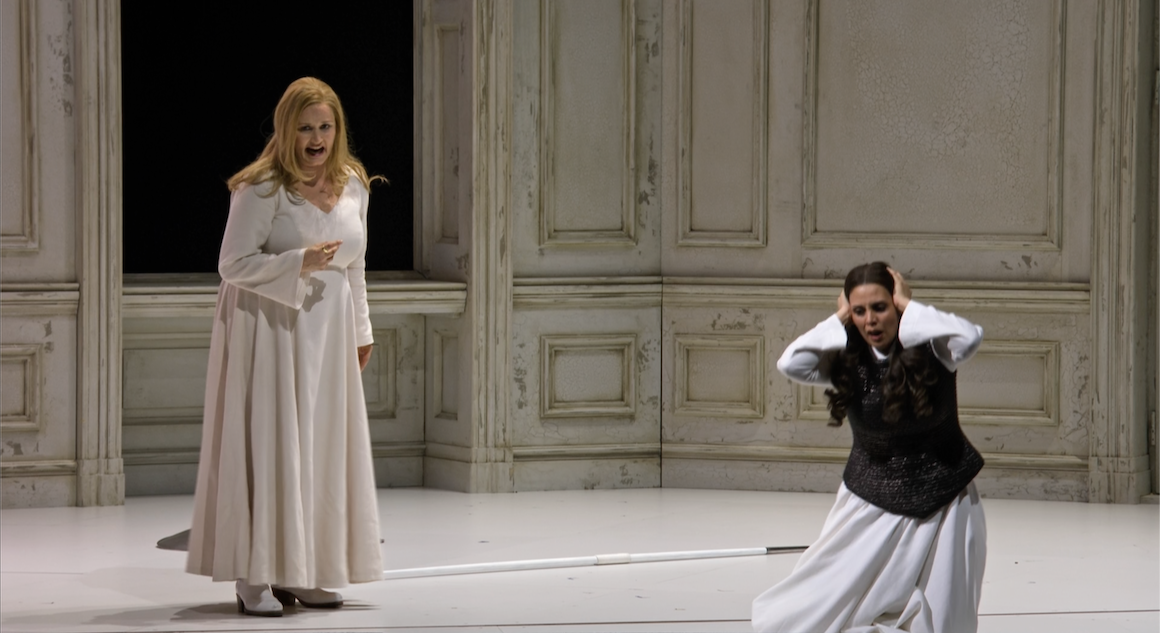
There are some intriguing takes on other characters too. Klaus Florian Vogt maintains Siegfried’s naivety right to, perhaps beyond, the end and he’s curiously paralleled by Lauren Fagan’s wonderfully girlish Gutrune. Chris Purves is perhaps the best Alberich I’ve seen. He’s evil but naively so (which is also true of Wolfgang Ablinger-Sperr’s Mime). It becomes clear in Götterdämmerung that David Leigh’s Hagen is miles ahead of him. Leigh’s performance is outstanding. He’s imposing of stature and has a fantastic, powerful, dark bass and he can really act. He’s also outstanding as Fafner in Siegfried. Daniela Köhler and Eric Cutler make a lyrical pair of Walsungs too, if not he very best I’ve come across.

It’s all held together by some interesting set design (Christian Schmidt). The rotating mansion is used really effectively and it evolves as the world disintegrates. The changing furniture tells a story too as does the recurrence of the “Valhalla boardroom” with it’s enigmatic Caspar Friedrich-esque painting.
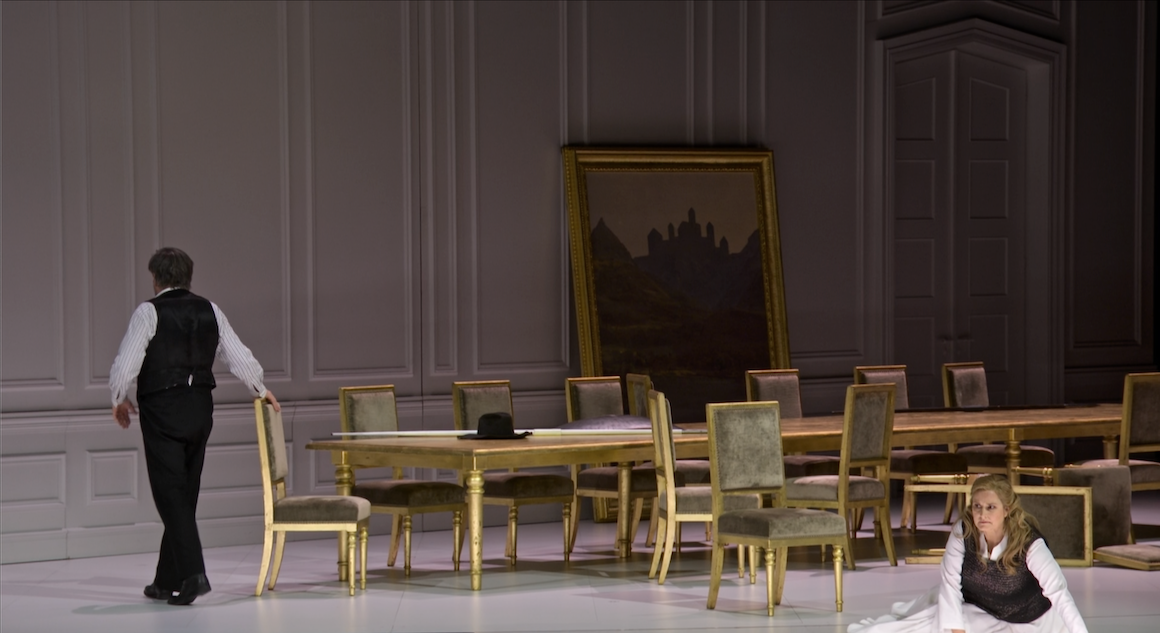
Musically it’s top notch. Gianandrea Noseda seems to get right inside the score. His tempi seem quite fast and certainly rhythmically very precise and “sprung”. He doesn’t lack gravitas where needed though. The orchestra is uniformly excellent. I’ve covered off the main singers but really I don’t think there are any weak links in the cast and the best are spectacular. If Vogt and Nylund can produce performances like this in a bigger house than Zürich they are destined to be rated among the greats in their roles. Purves and Leigh are also outstanding.
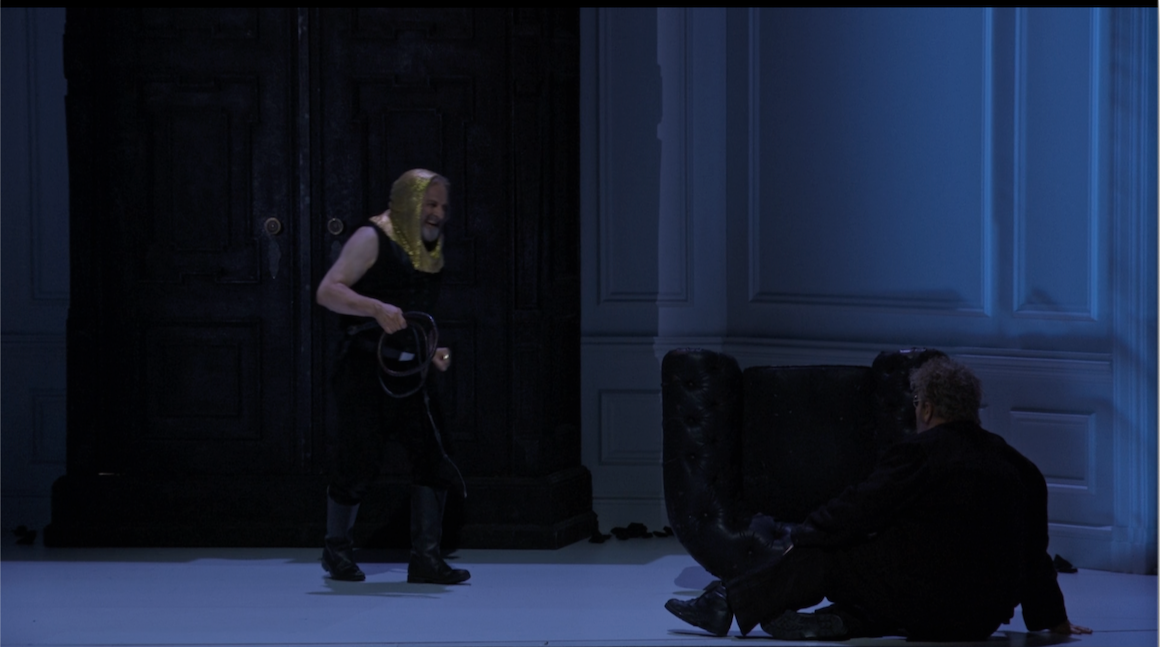
Michael Beyer varies up the video directing nicely mostly reacting to the lighting to make for a watchable experience. The whole package is satisfying. The operas are not available separately but comes as either four Blu-rays (reviewed) or seven DVDs; each opera in it’s own sleeve plus a booklet, all in a slipcase. Minimal plastic is used which is nice to see, The documented interviews with Homoki and oseda are quite insightful.
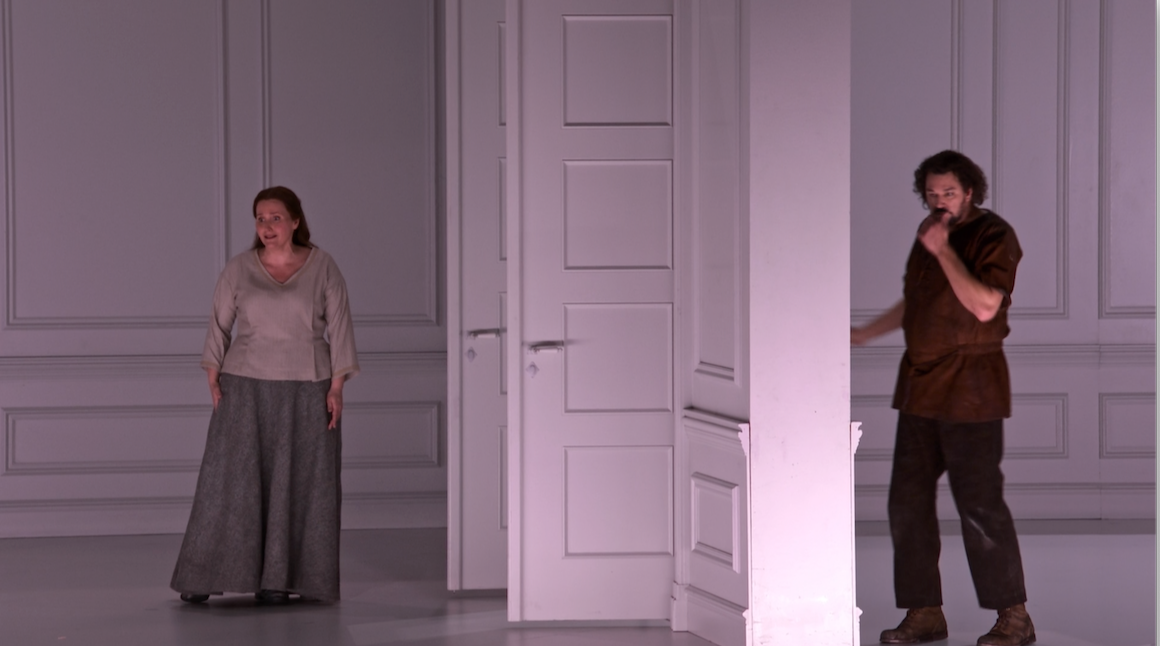
I think there’s plenty to intrigue and admire here for even the most hardened Ring fan but where I think it would really be useful is as an introduction to the operas. There’s no concept to puzzle out; the psychology and story telling is clear and it looks clean and modern.
For ease of access here are links to the reviews of all four operas:
Das Rheingold
Die Walküre
Siegfried
Götterdämmerung
Catalogue information: Accentus Music ACC60656 (Blu-ray version)
 operaramblings