
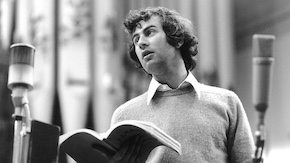
 Iconic British countertenor James Bowman passed away last March. On Sunday night at Trinity-St. Pauls the Early Music folks at UoT presented a tribute to the man and his career. It was very well done. Music associated with Bowman; mostly Purcell and Britten, was interspersed with video and personal recollections/testimonials that fully reflected the considerable influence Bowman had on the English music scene and on the more widespread acceptance of the countertenor voice in the classical music world generally.
 The core of the performance group was the University of Toronto Schola Cantorum reinforced wth singers and instrumentalists from the Theatre of Early Music plus a few notable “ringers”. The whole thing was MC’d and conducted, where appropriate, by Daniel Taylor; himself a frequent collaborator with James Bowman.
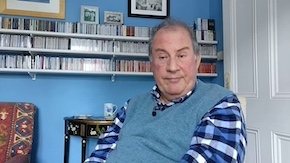 Purcell’s Come Ye Sons of Art kicked things off in exactly the right way. Most of the soloists; who were excellent, were drawn from the Schola Cantorum but the fireworks really started when visiting bass-baritone Joel Allison emerged from the back of the bass section to give blistering accounts of “The day that such a blessing gave” and “These are the sacred charms”. He was back a little later with an equally dramatic account “See the Raging Flames” from Handel’s Joshua.
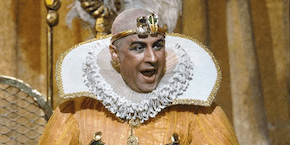 There was a really nice version of Greene’s “Lord, let me know mine end” from Rhianna McDonald and Nathalie Winfield Hicks before the appearance of another most notable Bowman collaborator; Dame Emma Kirkby. She gave us three Purcell songs sung in impeccable style finishing up with the very beautiful “An Evening Hymn”.
James Bowman, of course, was gay and one aspect of the evening was to recognise and celebrate that. Some of that came in the tributes from Daniel Taylor and Ryan McDonald but some of come more performatively. Those same two countertenors duetted beautifully with Robert Jones’ “Though your strangeness” and a couple of Britten song arrangements were made to serve a similar purpose. We got Nathan Gritter singing “Down by the Salley Gardens” and an extremely lively “Man is for the Woman made” from Jacob Thomas.
Britten’s Rejoice in the Lamb closed the evening out with more fine solo performances from a number of the choristers plus splendid choral singing and some of the best use of the Trinity-St. Paul’s organ that I’ve ever heard; a useful reminder of just how important the tradition of the great Anglican choirs from the Gentleman of the Chapel Royal to today’s college and cathedral choirs has been to English music in general and to musicians like Benjamin Britten and James Bowman.
A fine evening.
 operaramblings