
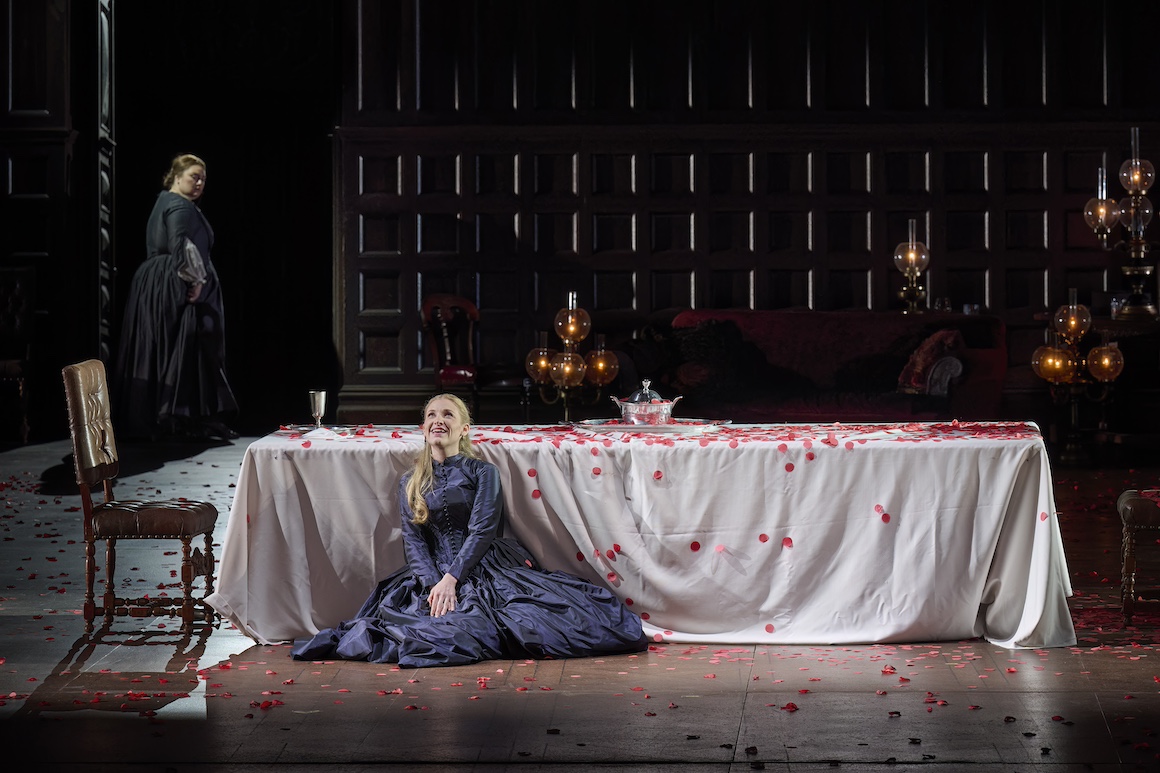
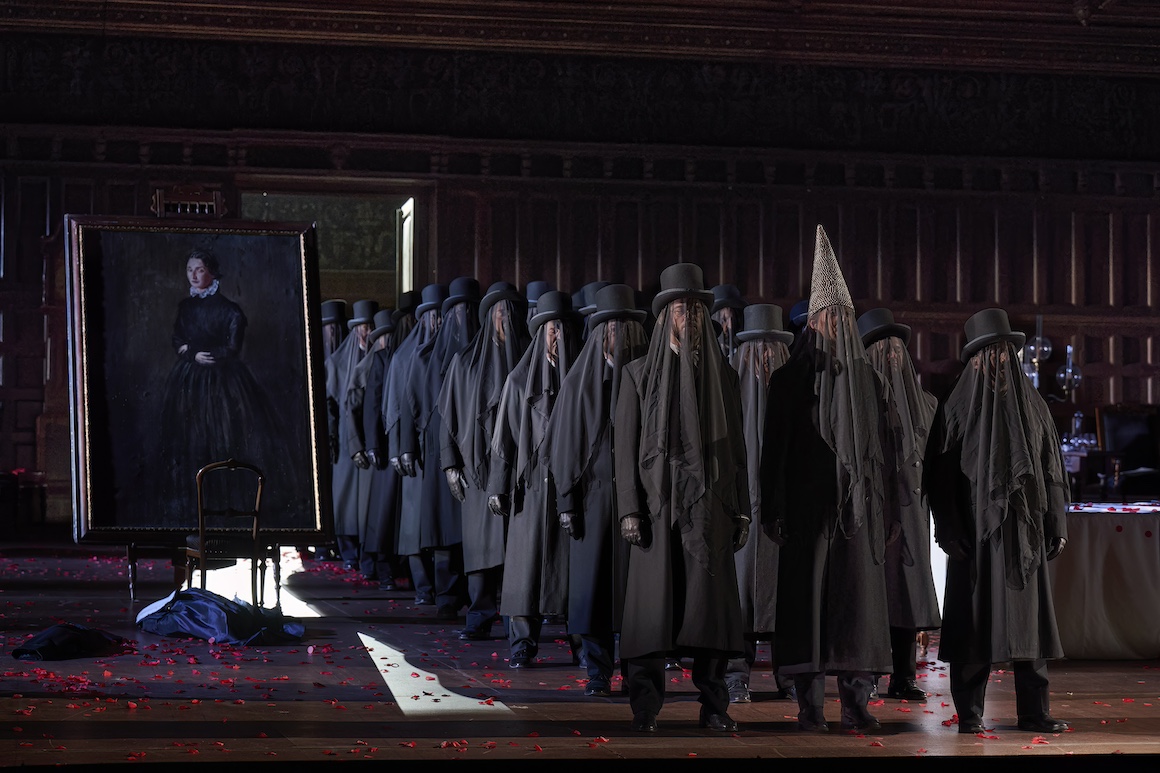
Wednesday night I attended the second performance of the current run of Verdi’s Rigoletto at the COC. This is a revival of the Christopher Alden production first seen in 2011 (first cast, second cast) and again in 2018. So the basic concept is the same. All the action is played out, quite publicly, in the “gaming room” of a Victorian gentlemen’s club. I think the production has grown on me over time. I felt the tweaks in 2018 were improvements and I suspect some more tweaks this time. Certainly from where i was sitting in the Orchestra the set seemed bigger than I remember. It’s huge and very painterly. It also has great acoustics.
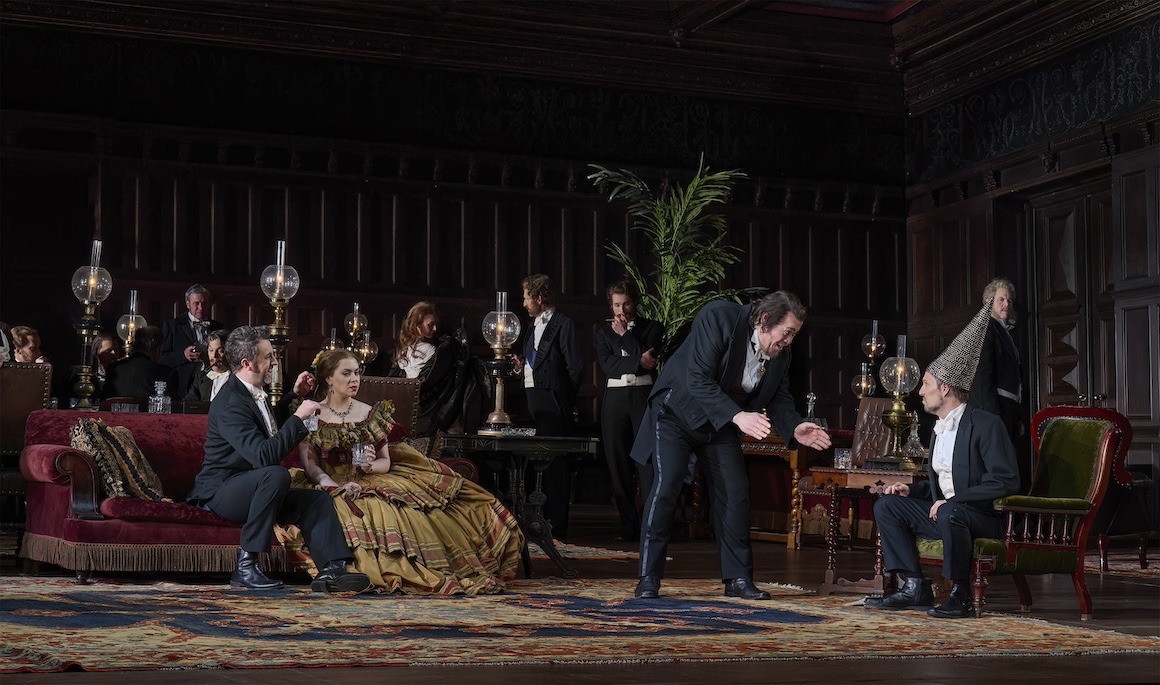
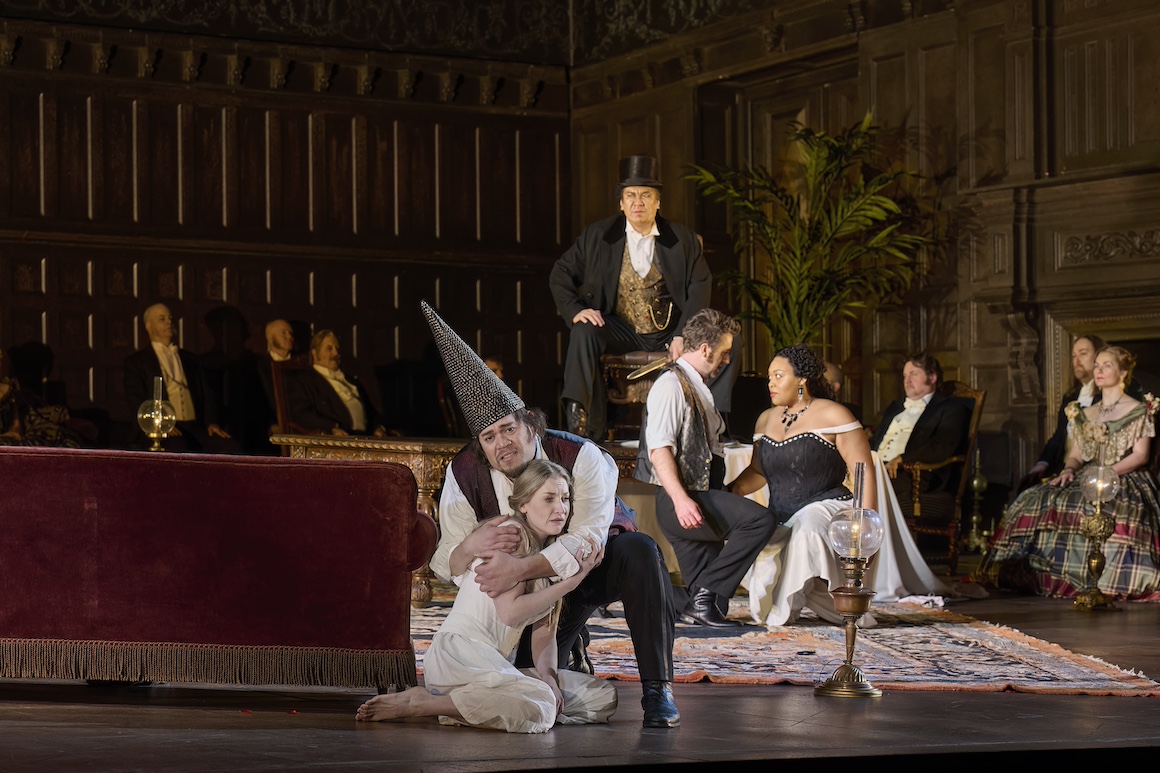
The subtleties in Alden’s approach are easier to appreciate if you know what’s coming so Rigoletto’s inability to separate public and private, Giovanna’s role as the Duke’s procuress etc all seem inevitable and right. It’s helped, I think, by somewhat more nuanced performances than last time around. Ben Bliss is less of a monster as the Duke. Sarah Dufresne is a bit less vulnerable and girly than Anna Christie. Emily Rocha’s Countess Ceprano is really ambivalent. Brooklyn Marshall reprises the danced role of Monterone’s daughter; a key figure in this production. She gets it just right; unhinged, desperate but not quite OTT. One could go on. Bottom line, it’s a bit more convincing dramatically than before.
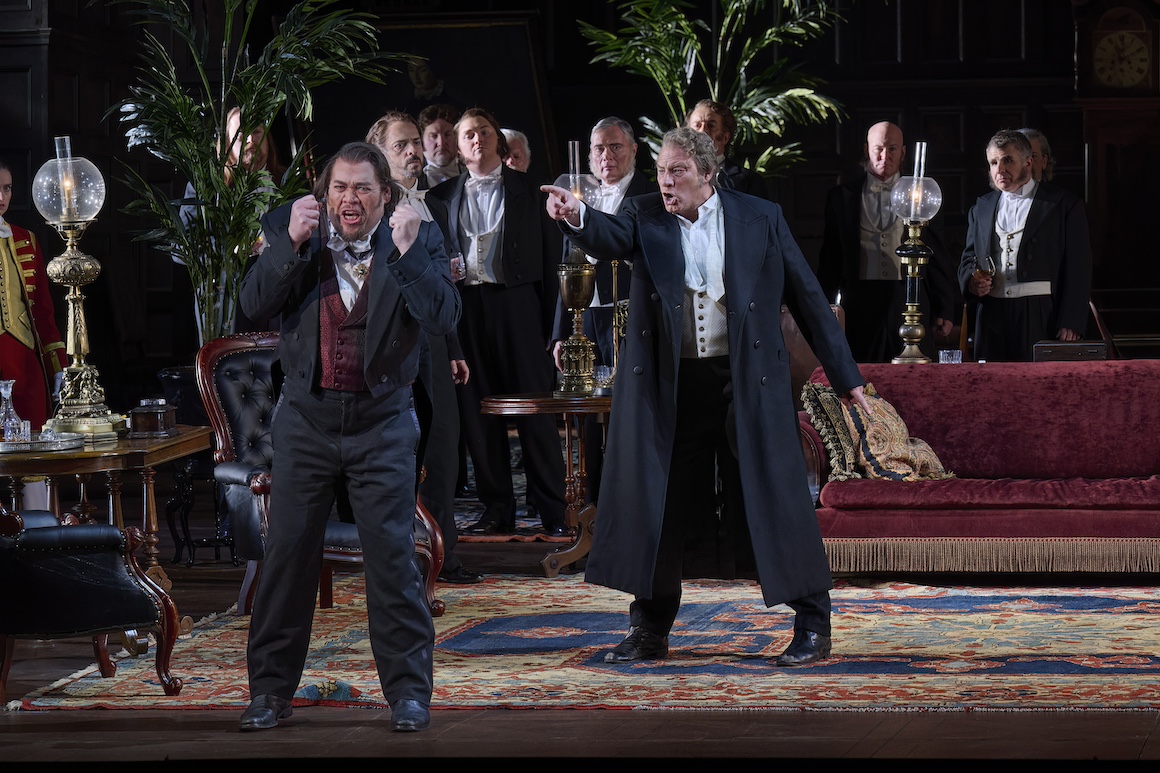
However, the real reason to see this revival is the singing. It’s of the highest class. Ben Bliss tosses off the Duke’s big arias with just the right amount of swagger and clear, ringing top notes. Sarah Dufresne has a very pure sound with lovely bell like top notes and accurate coloratura. She’s not at all overmatched in the duets with Bliss either.
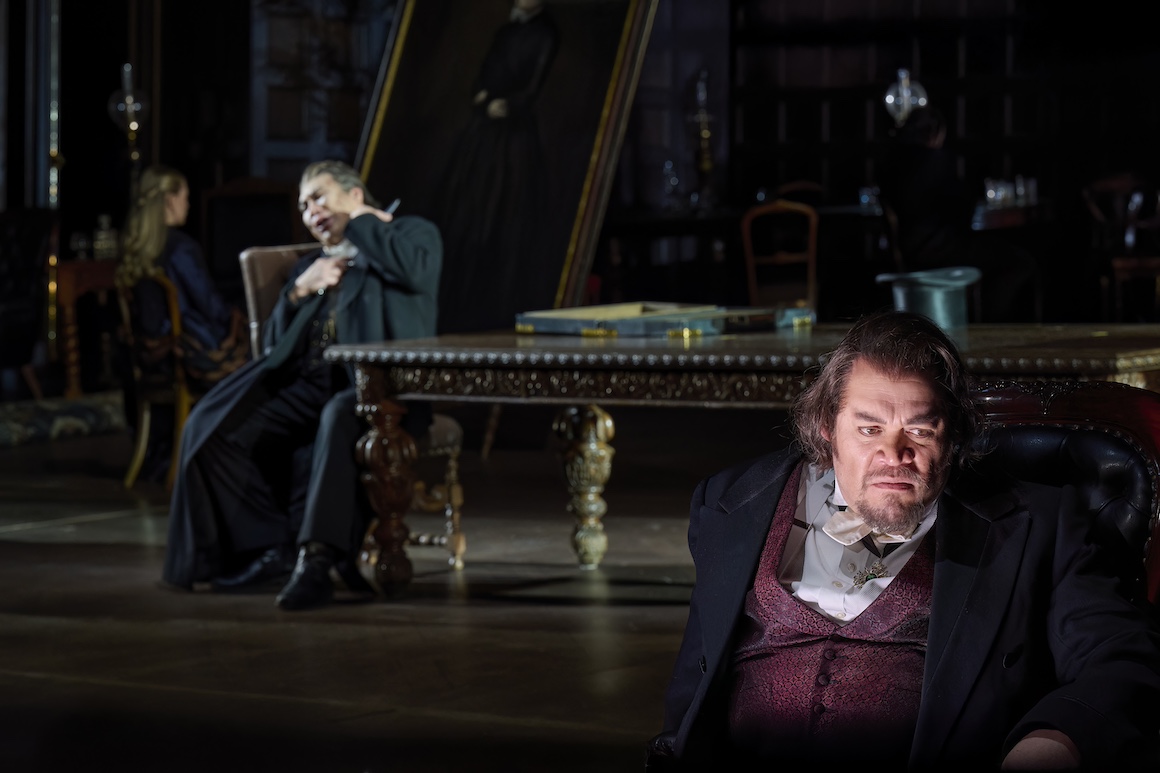
Quinn Kelsey is perhaps the world’s reigning Rigoletto. He has power and a slightly gravelly texture that suits the role very well. I don’t know that he would fit, say, the Conte di Luna so well but it’s perfect here. He’s also a massive stage presence. The supporting cast is fine too. Nathan Keoghan, Julius Ahn and Stephen Hegedus as the Duke’s henchmen all sing well and bring out the tensions implicit in their roles; especially Hegedus when his wife his throwing herself at the Duke.
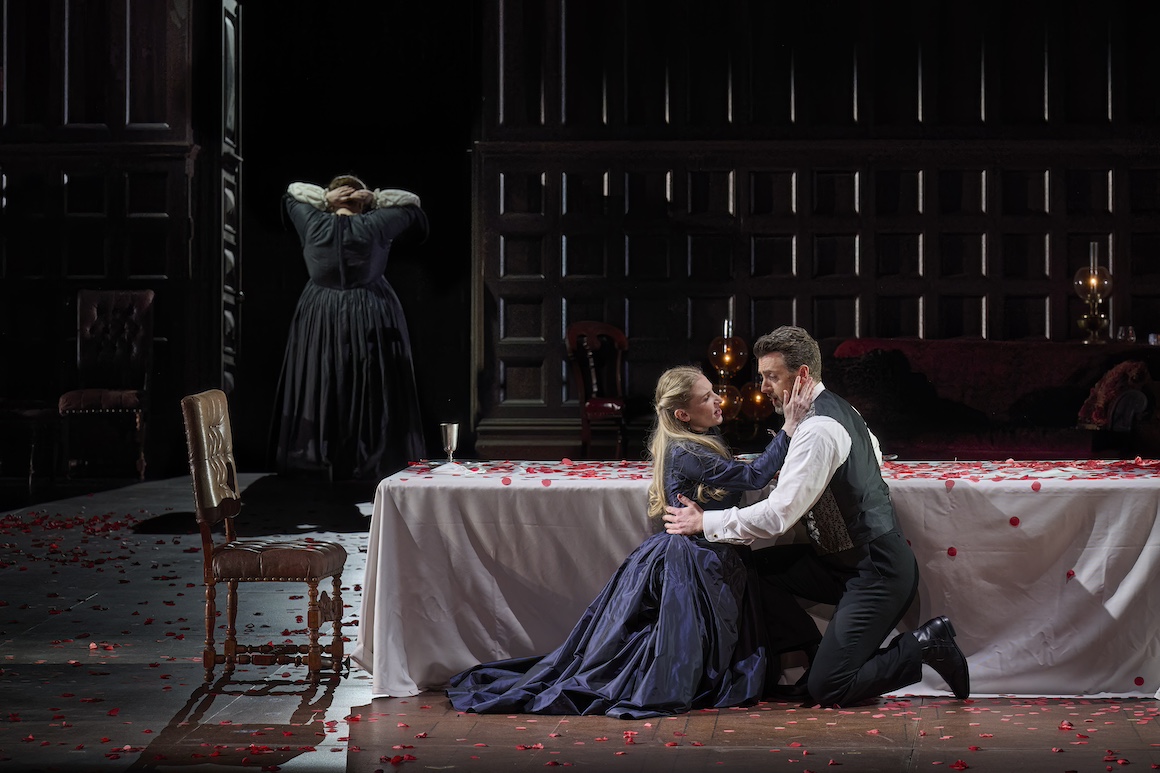
Gregory Dahl has the weight necessary for Monterone and is a powerful presence. Peixin Chin is an interesting Sparafucile. He manages to be quite low key and rather sinister at the same time and there’s a well sung and flirtatious performance by Zole Reams as his sister Maddalena. Simona Genga doesn’t have a lot of singing to do as Giovanna but she’s a constant and essential presence on stage.
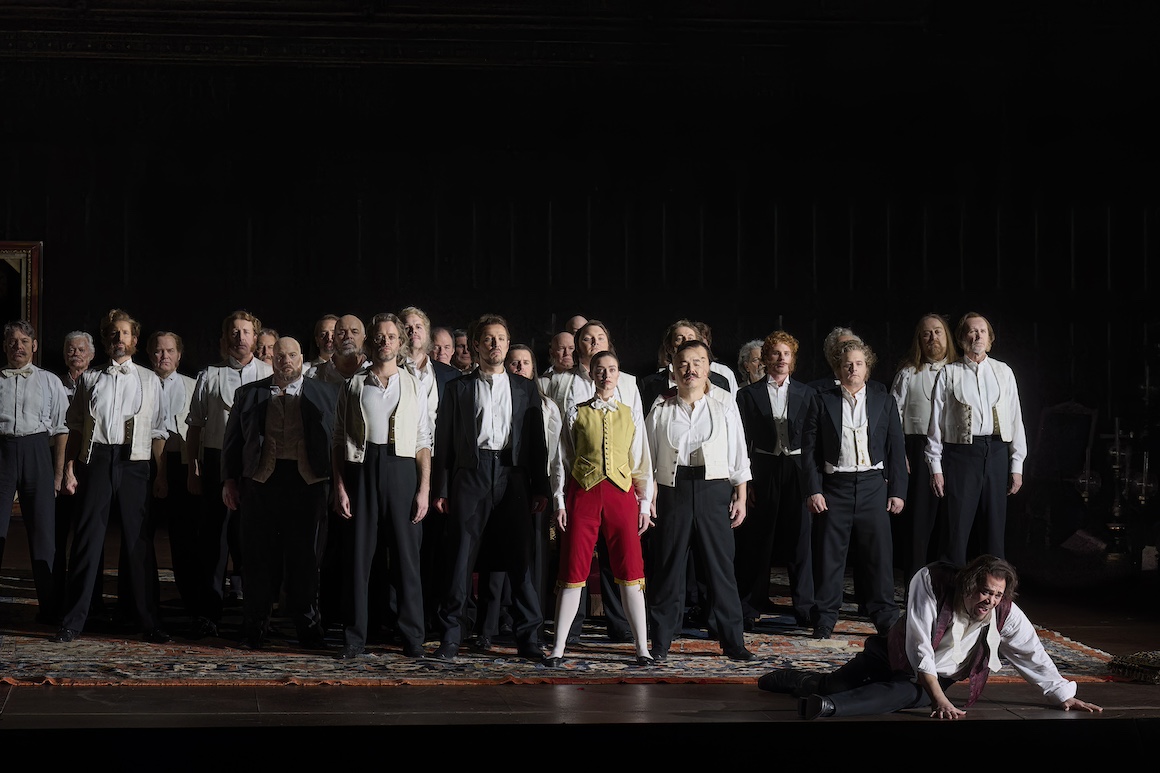
The gentleman of the chorus are precise vocally and have a lot of acting to do; becoming, on occasion, almost a set element as, for example, when they shield the Duke’s rape of Gilda from view. Johannes Debus conducts and he manages two essentials. The pit/stage balance is just about perfect even when people are singing from the very back of the very deep set, and he conjures up lots of drama where needed. The orchestra plays beautifully as usual.
Memory is a funny thing. I think this revival is a bit more subtle, a bit less “rapey” and almost paradoxically more dramatically effective because of it. It’s certainly at least as well sung and acted as previous iterations and that’s reason enough to see it.
Verdi’s Rigoletto continues at the Four Seasons Centre until February 14th.
Phot credits: Michael Cooper
 operaramblings