
Gluck’s Orpheus opera; in either Italian or French guise, is usually presented as a short and cheery “love conquers all” with an uncomplicated happy ending. Pierre Audi in his production of the 1774 Paris version of Orphée et Euridice, recorded at the Maggio Musicale Fiorentino in 2022 takes a different tack. Here Amour, who is on stage 100% of the time, forms a love triangle with Orphée and Euridice and while she’s happy to work to reunite the lovers Orphée gets in a snit in the last act when he realises that her interest isn’t entirely altruistic and comes close to violence when the two girls show more interest in each other than in him!
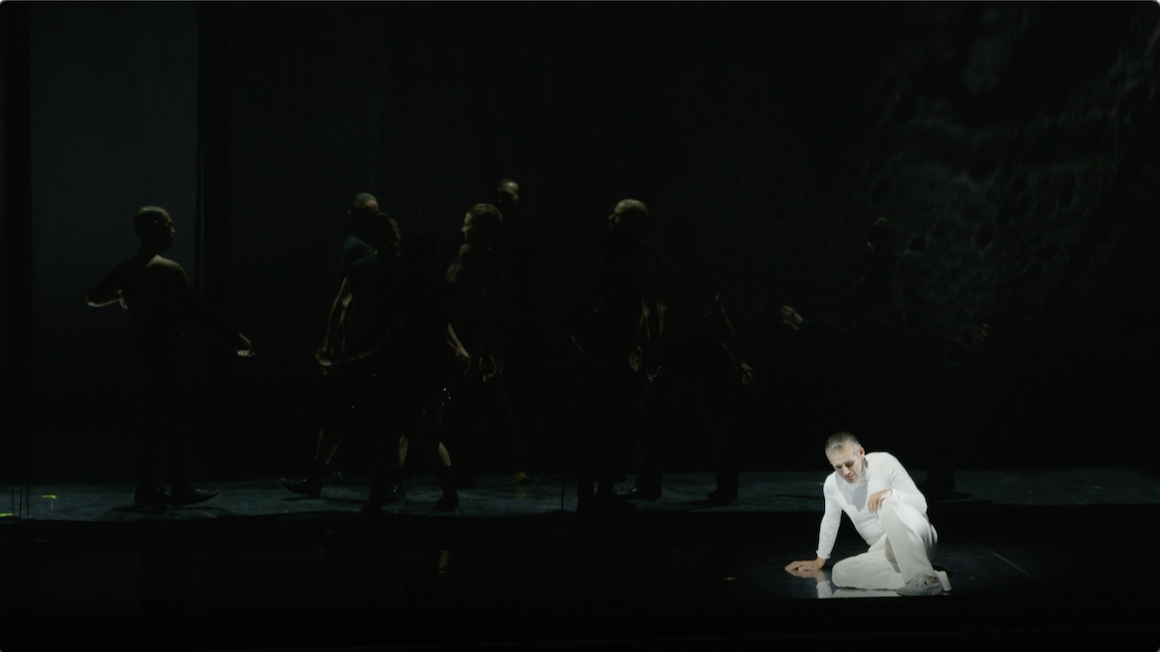
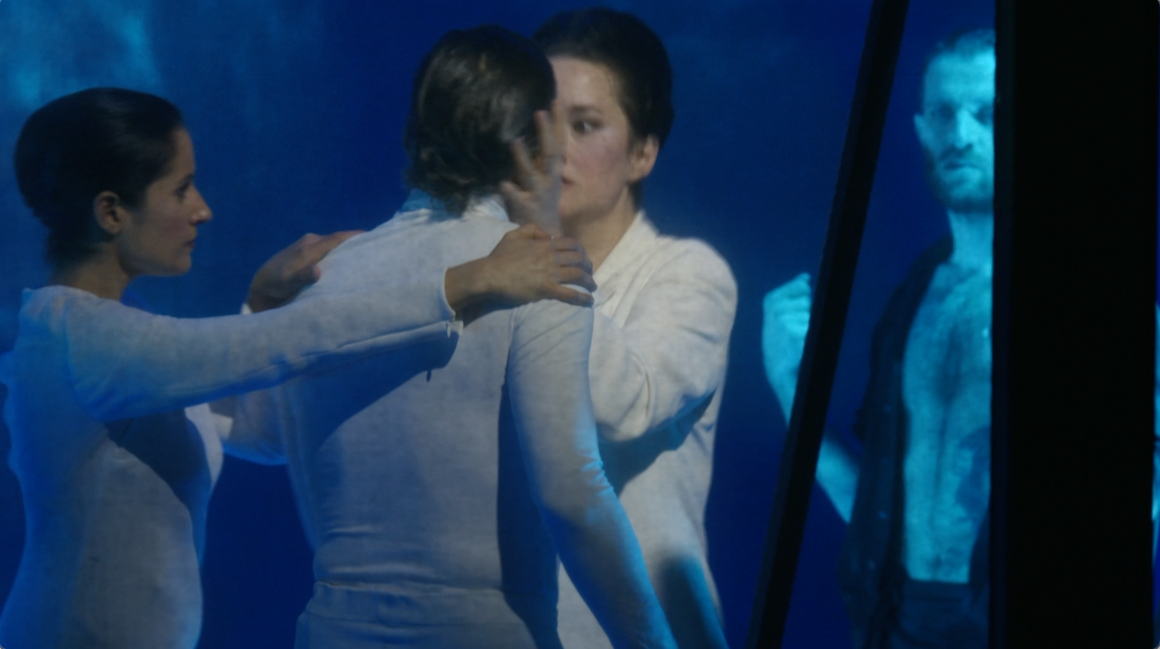
All this is played out in a staging that’s pretty much as austere as anything Robert Wilson could come up with. The principals are dressed in white; Orphée in slacks and sweater, Euridice in a trouser suit and Amour in a figure hugging long dress (and she has a very huggable figure). The dancers (there’s loads of dance in the Paris version) are in black and bare skin and the sets are basically black with abstract projections oddly reminiscent of those gel slides that were in vogue in 1970s discos.
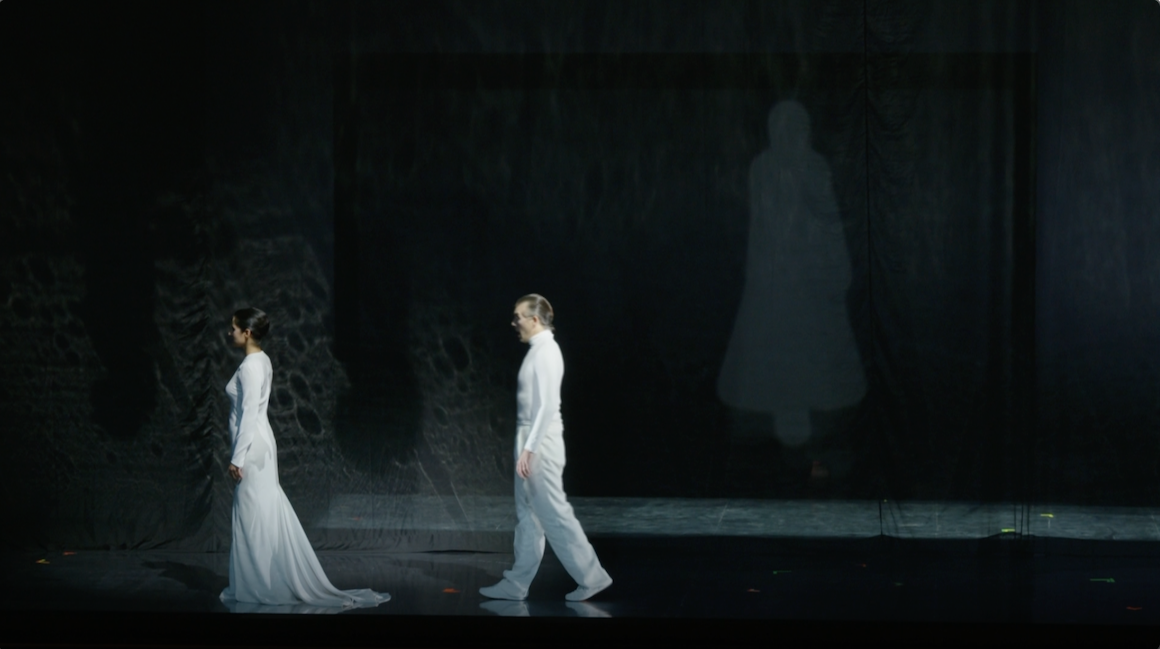
It’s very well done. Arno Schuttemaker provides the choreography which is danced by his own ballet company. They are on stage pretty much the whole time and interact a lot with the principals; especially Sara Blanch as Amour who really does look like she started her career as a dancer. Anna Prohaska (Euridice) is a pretty good mover too and Juan Francisco Gattel (Orphée) also interacts effectively though in a less terpsichorean manner.

The singing is excellent. Star billing here goes to Gattel who manages the very high tessitura really well. Orphêe is written for haut-contre in the French version and modern pitch really pushes the role well up in the tenor range. Both Prohaska and Blanch have sweet, true soprano voices that are perfect for this score. The chorus is off stage and sings with the sort of lilting, slightly ethereal quality required. Daniele Gatti sets a fairly brisk pace but lets the big lyrical moments have adequate room. All in all, it’s really well done and Audi’s concept sort of creeps up on one; only really revealing itself toward the end when it all makes sense!
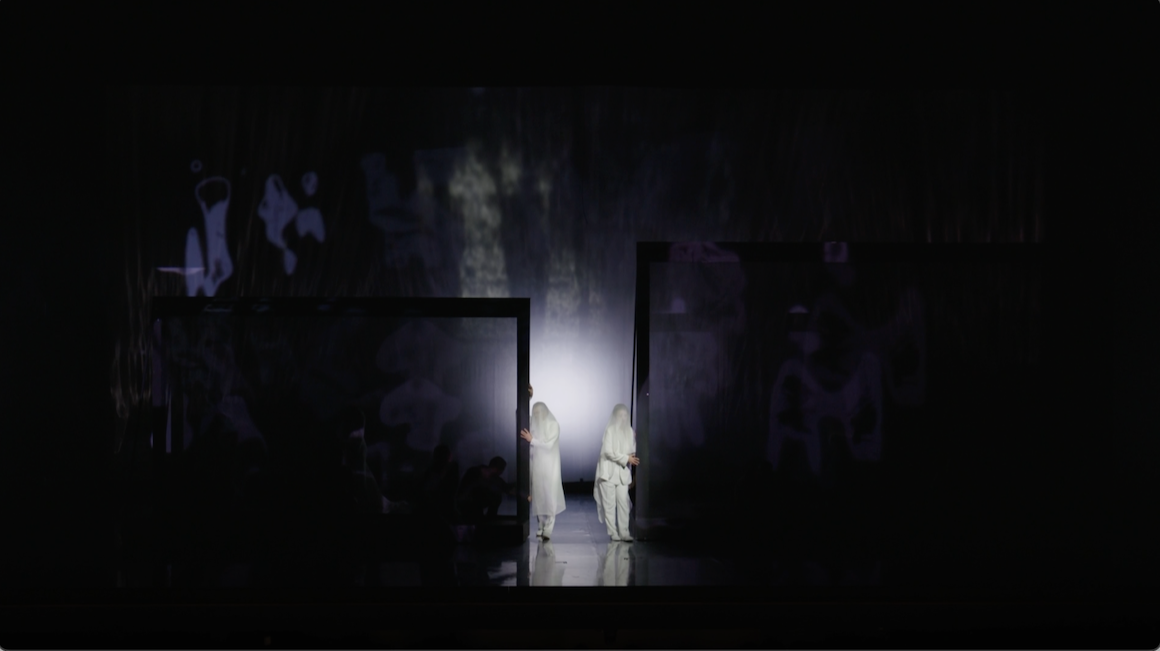
Tiziano Mancin directs for video. It’s a tough one. to film. Much of the time one or more principals clad in purest samite are downstage in the well lit bit while black clad dancers do their thing in the mirk upstage. I think we are missing quite a bit of the projections too. Mancini tries hard though to offer the full picture where it would be easy to chuck it in and use down stage close ups. It just about comes off on Blu-ray but I imagine DVD would be less good. The sound is excellent though (PCM stereo and DTS-HD-MA). There are no extras and the booklet has a track listing, a “vanilla” synopsis and a short note by Audi. Subtitle options are English, French, Italian, German, Japanese and Korean.
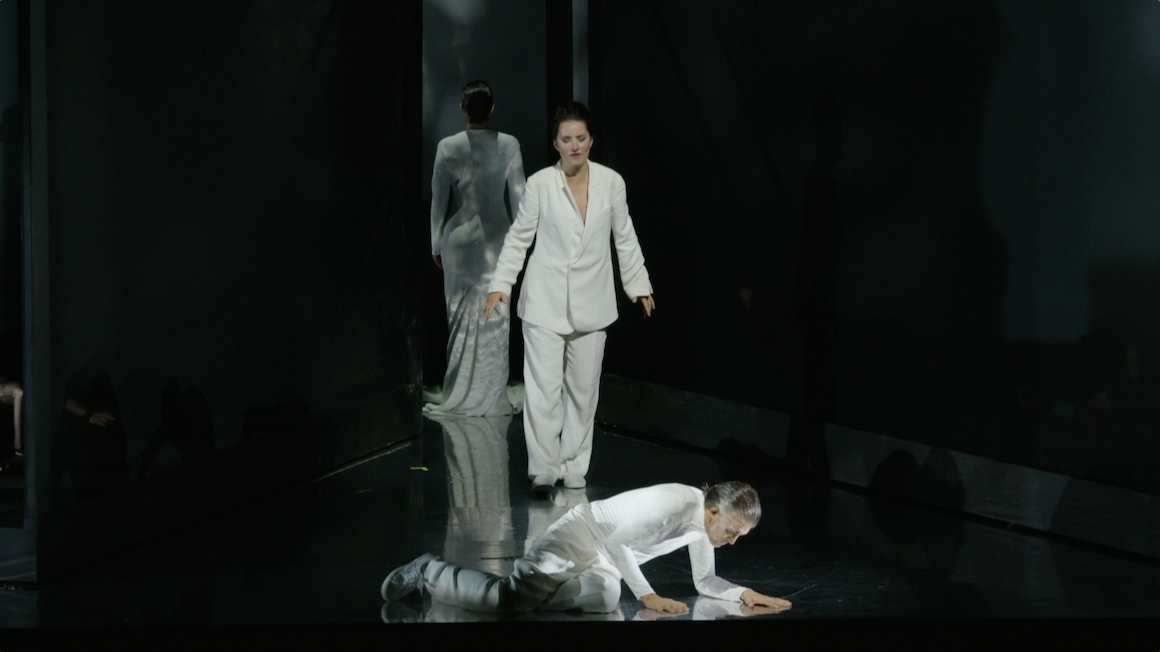
There are tons of good Orfeo/Orphée recordings out there using the Vienna version, the Paris version, curious hybrids of both and Bizet’s 1859 re-orchestration. There’s no way to pick a single winner. This one is psychologically quite sophisticated, visually attractive and sounds like the haut-contre version ought to sound.
Catalogue information: Dynamic Blu-ray DYN 58073
 operaramblings