
Vivaldi’s pasticcio Il Bajazet was composed for carnival season 1635. It sets an earlier libretto by Agostino Piovene concerning the defeat and capture of the Ottoman sultan Bajazet (Bayezid I) by the Tartar leader Tamerlano (Timur) in 1403. Tamerlano is contracted to marry the Princess of Trebizond, Irene, but falls for Bajazet’s daughter Asteria to the consternation of his Greek ally Andronico who is in love with Asteria. Various plot twists and turns happen before Bajazet poisons himself, Tamerlano marries Irene after all and Asteria returns to Andronico. Andronico also has a sidekick Idaspe.
 The plot is really just a device for stringing together a bunch of display arias and as this is a pasticcio most of those are drawn either from earlier Vivaldi works or are pinched from currently fashionable composers like Hasse and Giocomelli.
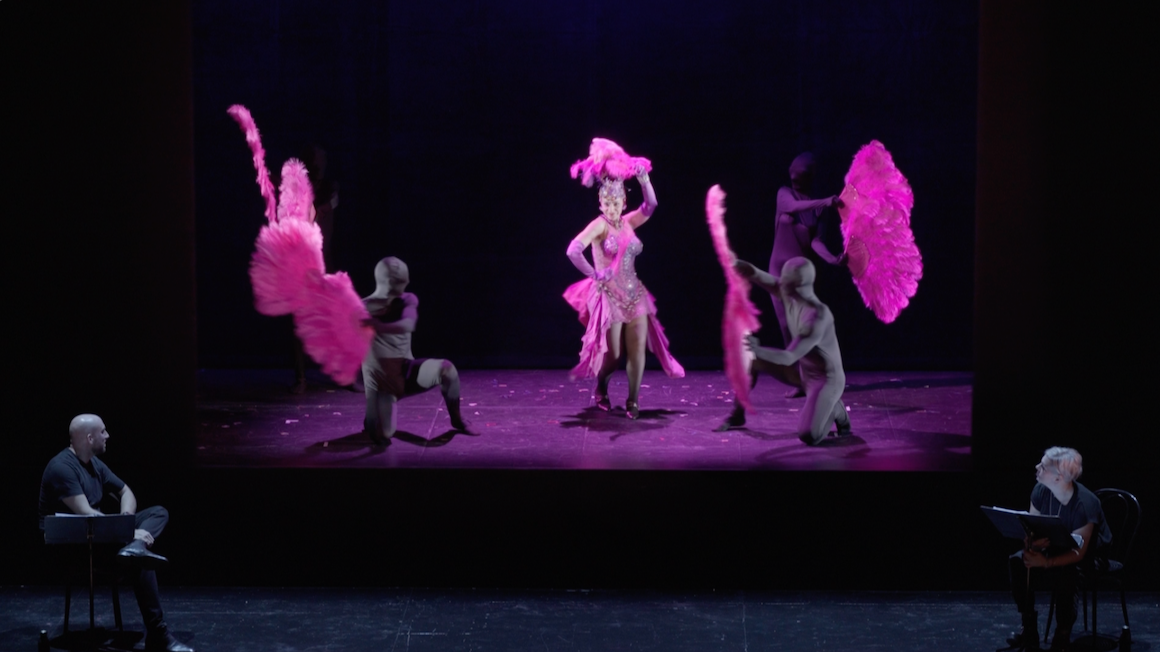
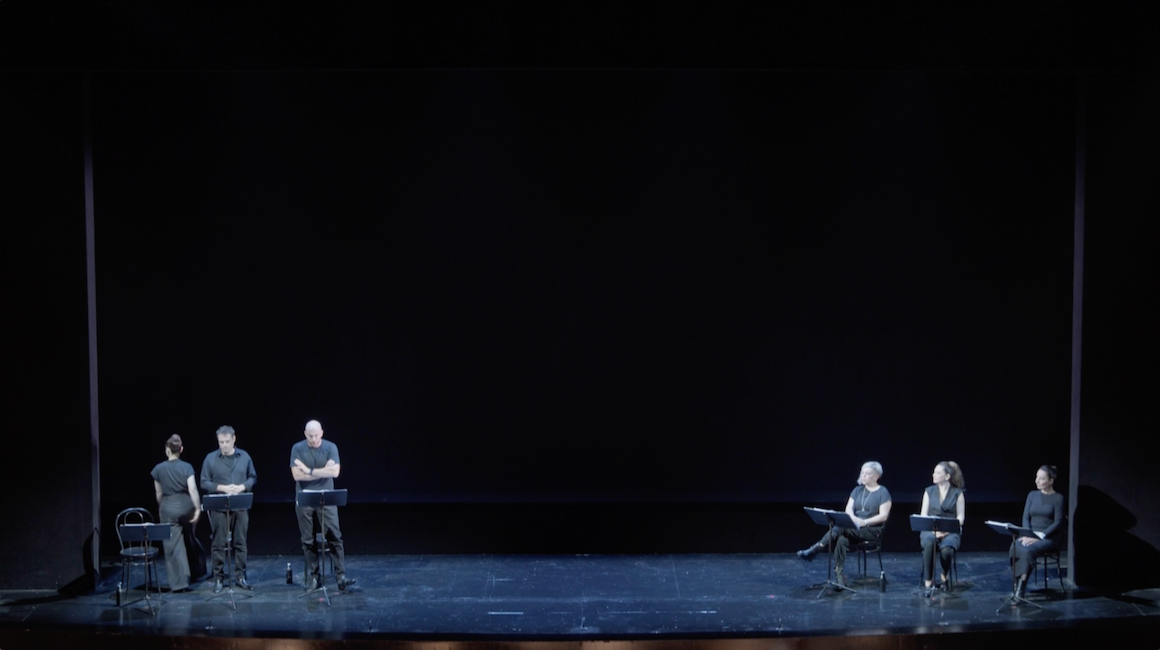
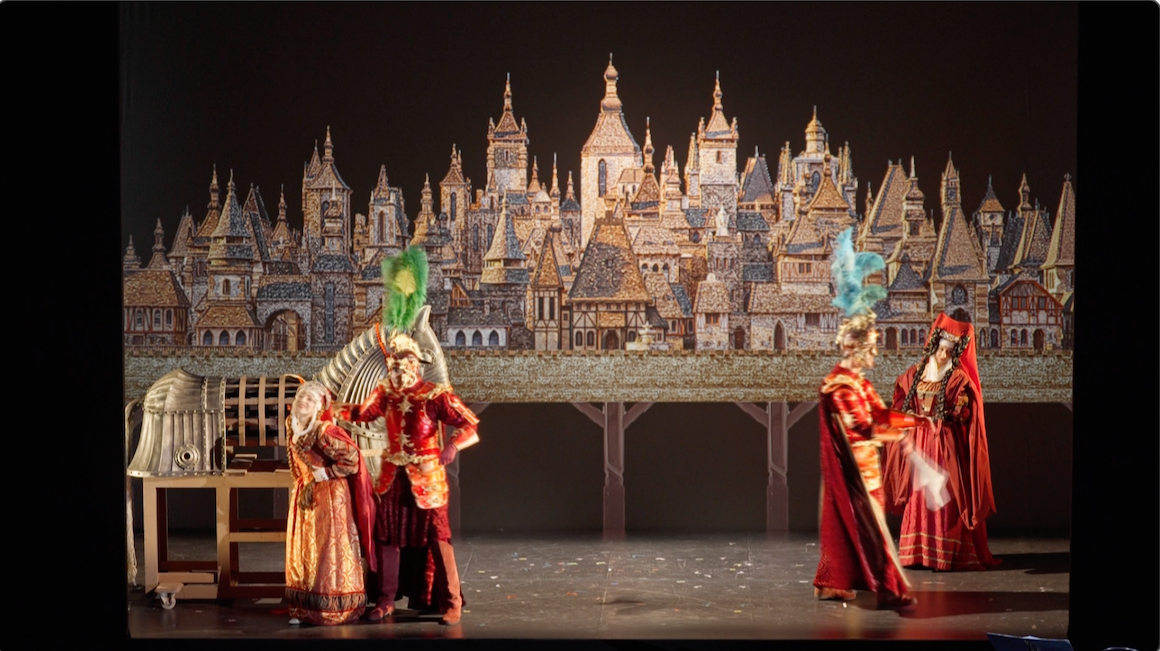
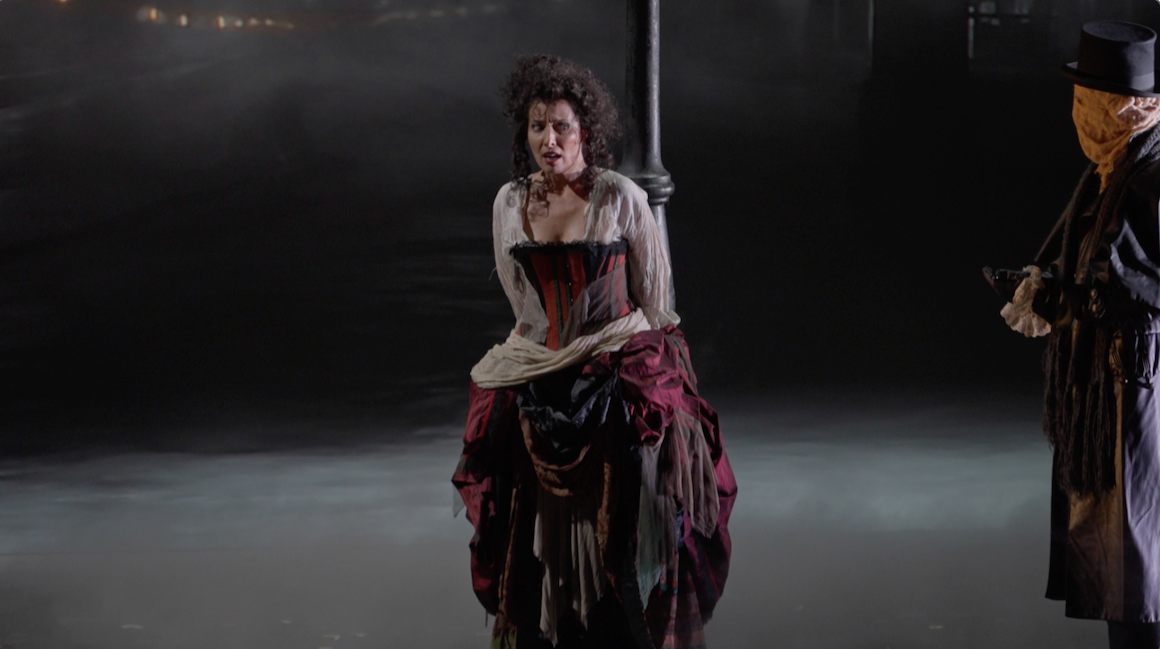
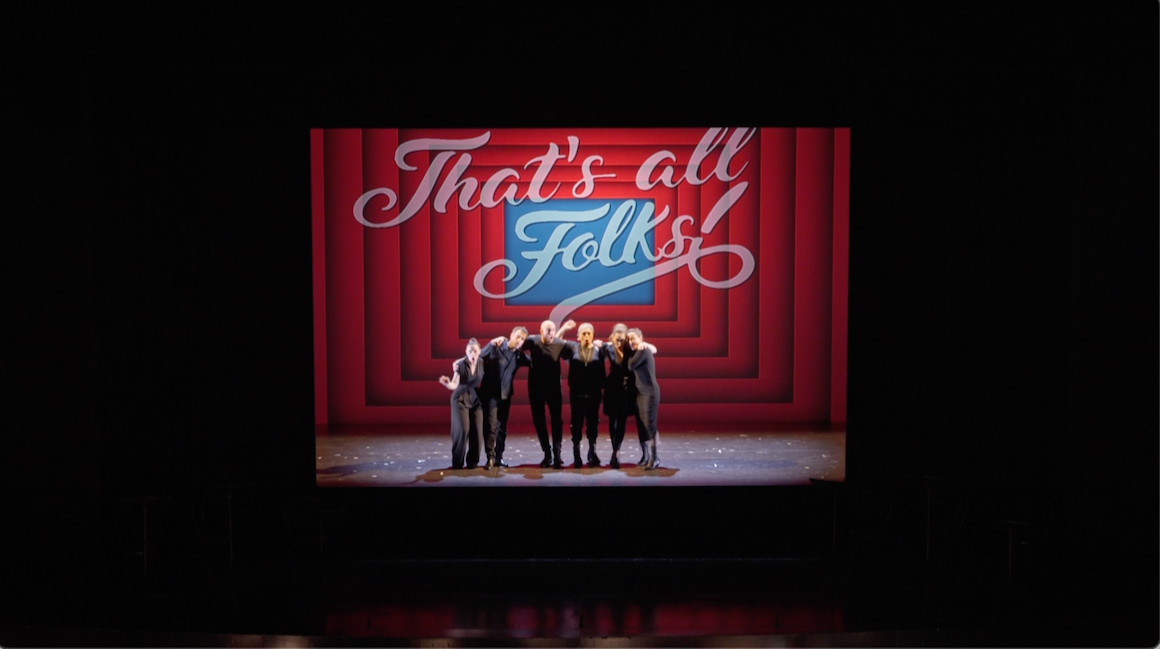
There was a production in Venice (Teatro Malibran) in 2024 and it’s now been released on video. It’s quite interesting. Director Fabio Ceresa has chosen to work with the pasticcio idea; i.e. that it’s really just a device for stringing arias together. So, we have the stage set up for a Sitzprobe with the singers in black. In general the recitatives play out there in front of a plain backdrop. Then for the arias the stage opens up to allow each aria to be performed in costume with sets. But there’s no attempt to achieve any kind of narrative or aesthetic consistency between arias. Each one is distinct.
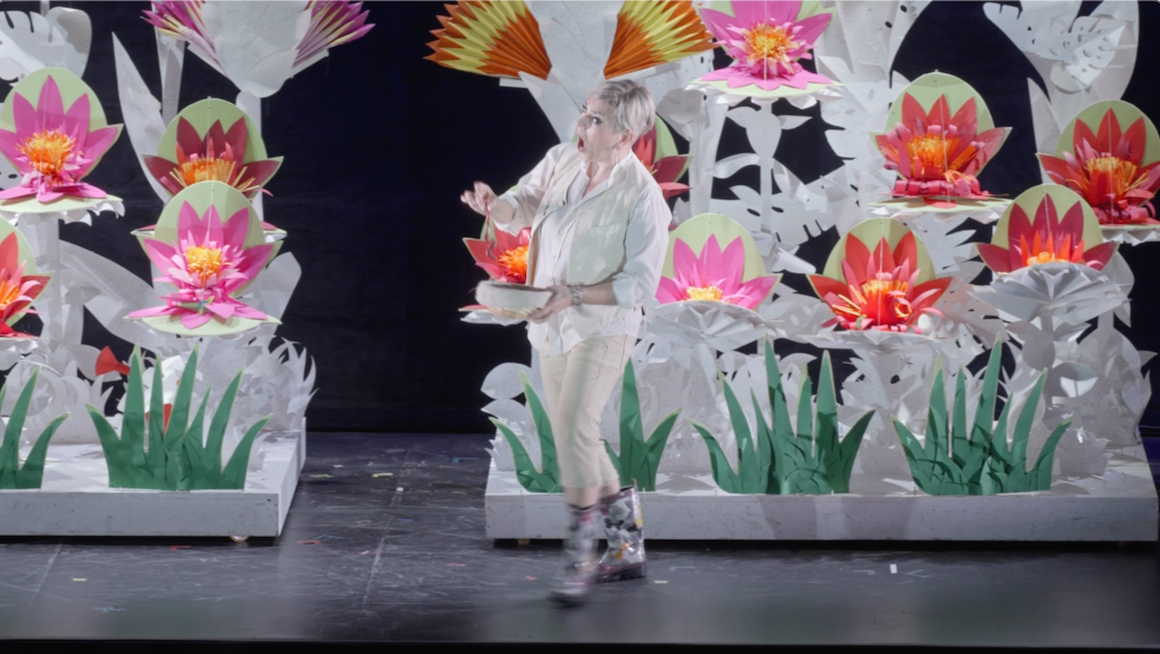
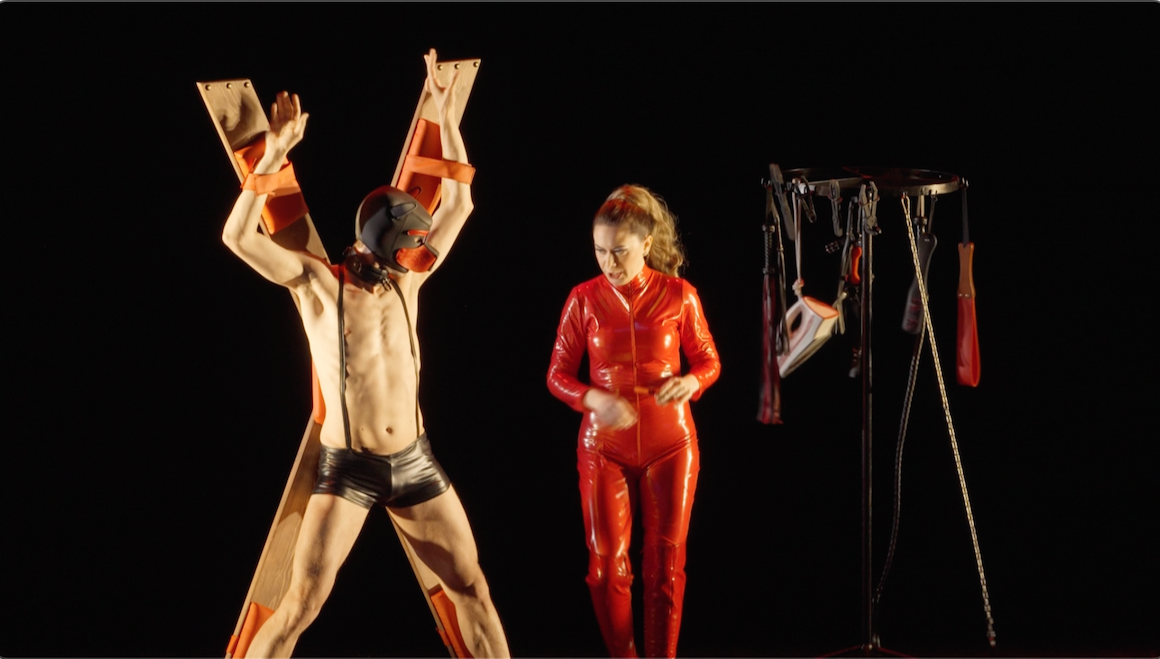
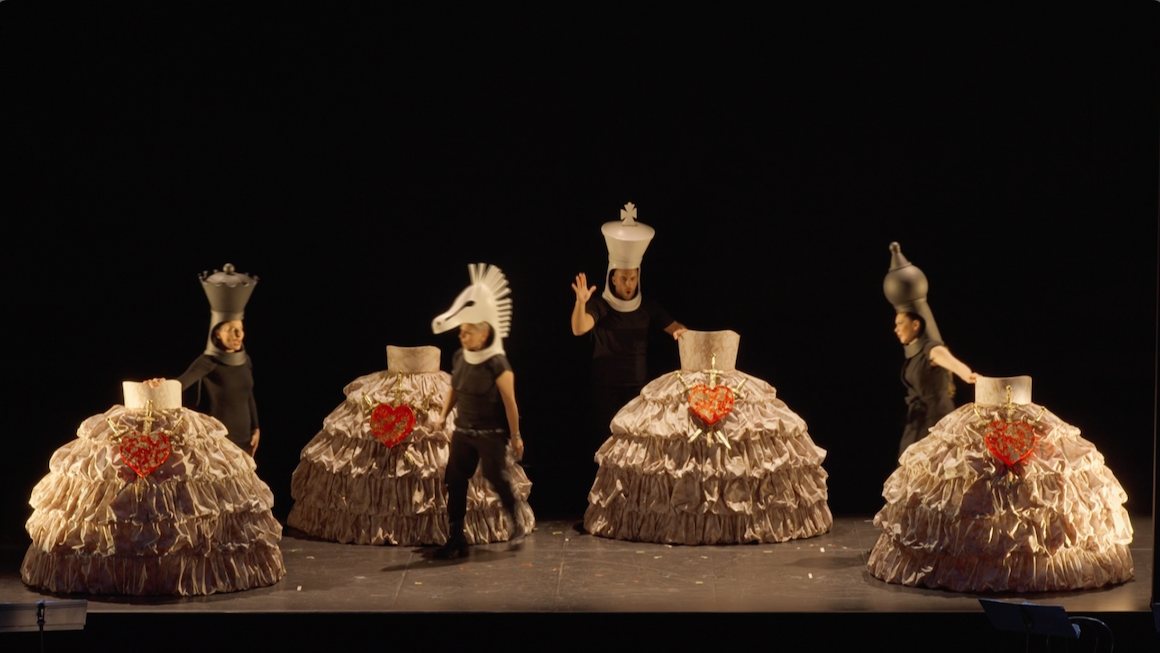
As there are something like twenty five arias including the ensembles that conclude each act describing them all would be tedious but it”s worth looking at a few to see how the staging varies. Tamerlano’s second aria, “Vedeste mai sul prato” is sung in a garden of giant carnivorous plants to which Tamerlano appears to be feeding gummi-worms. Asteria’s second act aria “Stringi le mei catene” sees her as a red latex clad dominatrix getting her own back on what one must suppose is Andronico in a very well equipped dungeon and the final quartet of Act 2 “Si crudel, quest’e l’amore” has the singers dressed as crinoline clad chess pieces reminiscent of a rather famous episode of Slings and Arrows. It’s mostly whimsical, though occasionally more disturbing, and, while there are one or two scenes I didn’t “get” mostly I found them amusing and apt.
Conductor Federico Maria Sardelli has strong views on how Venetian opera in 1635 was performed; especially the orchestration. So, the continuo is two harpsichords with no lute, guitar or theorbo. The band (drawn from the La Fenice orchestra) is basically strings. I think there’s a flute in there but no oboes or bassoons. They play well.
The cast is headed up by the excellent Sonia Prina as Tamerlano (a contralto en travesti was used in 1635) and baritone Renato Dolcini as Bajazet who has rather less to do but is solid. The two castrato roles; Andronico and Idaspe, are given to counter-tenor Rafaele Pe and soprano Valeria La Grotta. Both are quite demanding roles with lots of intricate coloratura. Curiously Idaspe is here treated as gender fluid although clearly male in the original. The two contralto roles of Asteria and Irene go to Loriana Castellano and Lucia Cirillo. The former has a lot to do with a demanding acting part and several very difficult arias. She is excellent. Cirillo has less to do but she does it well. All in all the singing is very decent and the whole cast, especially Prina and Castellano, seem to have loads of fun with the very bizarre scenes thrown at them.
Video direction is by Tiziano Mancini and it’s just fine. Since the “scenes” take place in a restricted space centre stage it’s not complicated to film. The sound (PCM stereo and DTS-HD) and video quality on Blu-ray are excellent. The booklet contains lengthy interviews with Sardelli and Ceresa and I really recommend reading them. There’s also a synopsis and track listing. Subtitles are Italian, English, French, German, Korean and Japanese.
It’s an unusual treatment of a little known opera and I guess it might upset some purists. I thought the concept was fun and the execution enjoyable and the house audience seemed to agree.
Catalogue information: Dynamic DYN58056
 operaramblings