
Friday night the Glenn Gould School presented a pair of French chamber operas in Mazzoleni Hall. The pieces were Ravel’s L’enfant et les sortilèges and Debussy’s Prodigal Son with a new English language libretto by Ashley Pearson. Pearson’s libretto concerns a gay man estranged from his family so director Mabel Wannacott’s linking idea is that the principal character in both is the same person as a child and twenty years later.
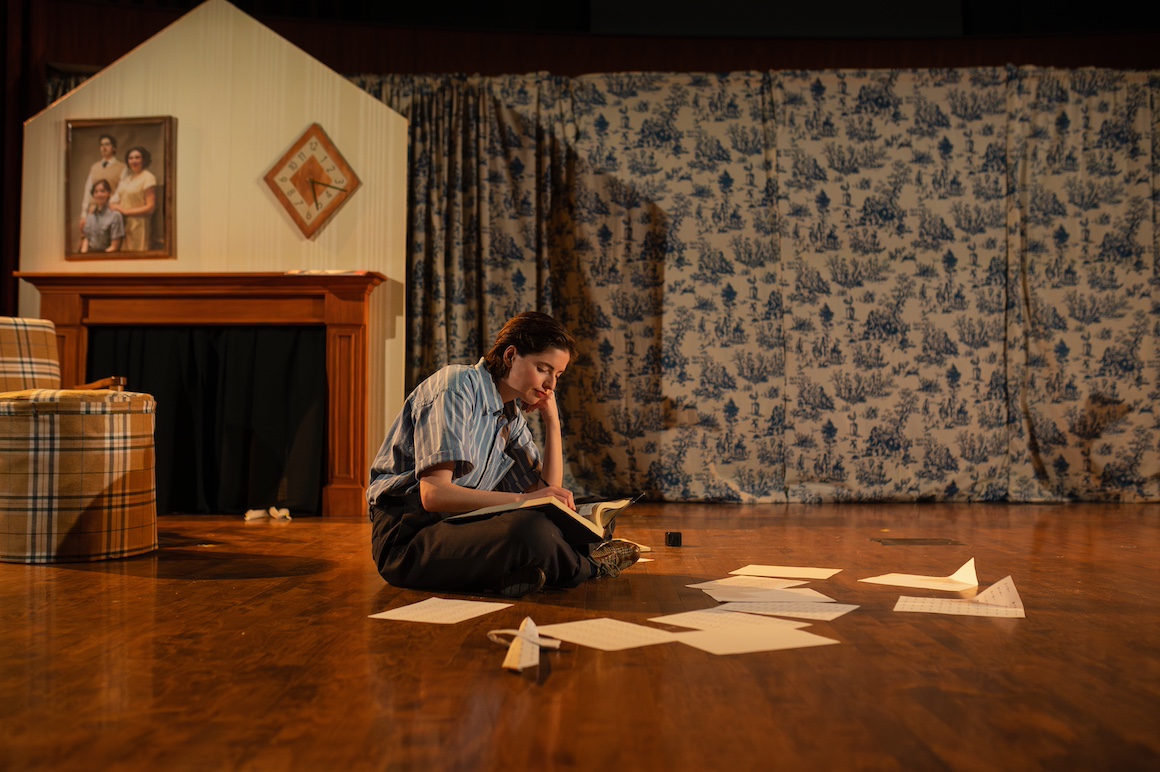
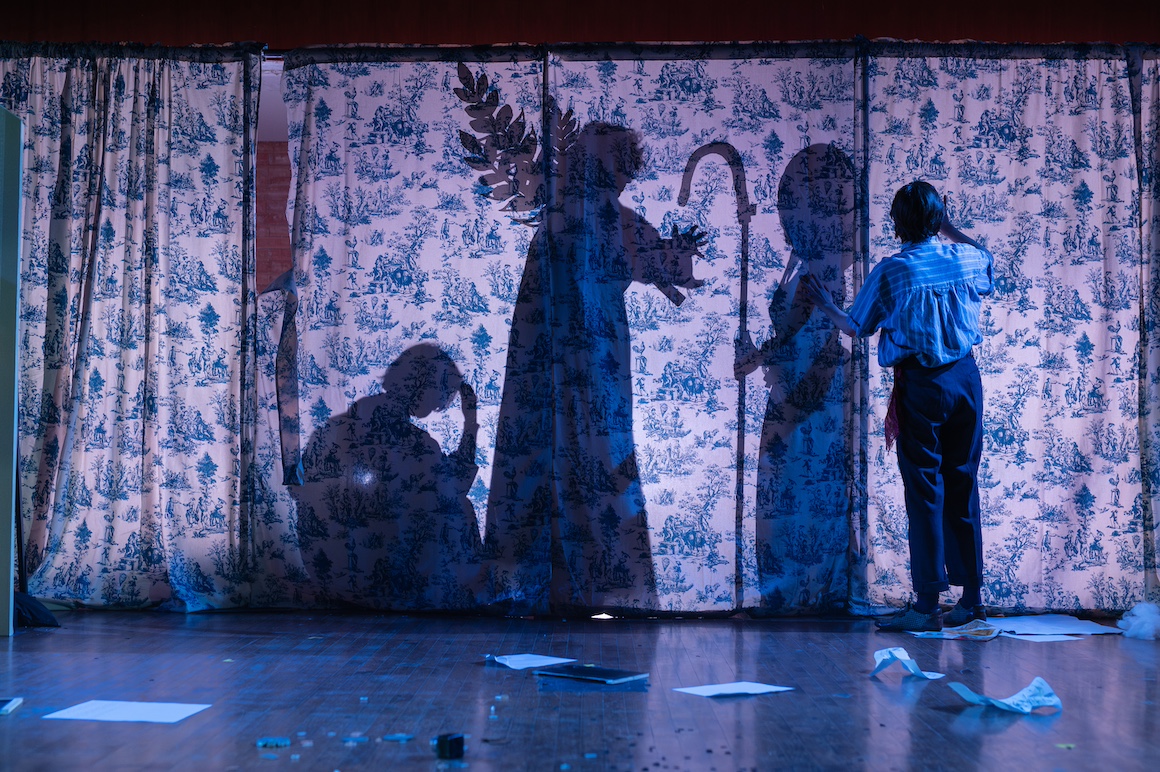
So, the Ravel is set in 1950s USA which works pretty much as well as anywhere else for an opera that is essentially surrealistic. It’s very well done dramatically and musically. Wonnacott makes imaginative use of the tricky space of Mazzoleni with it’s small stage and not much else. There’s clever use of shadow puppetry too.
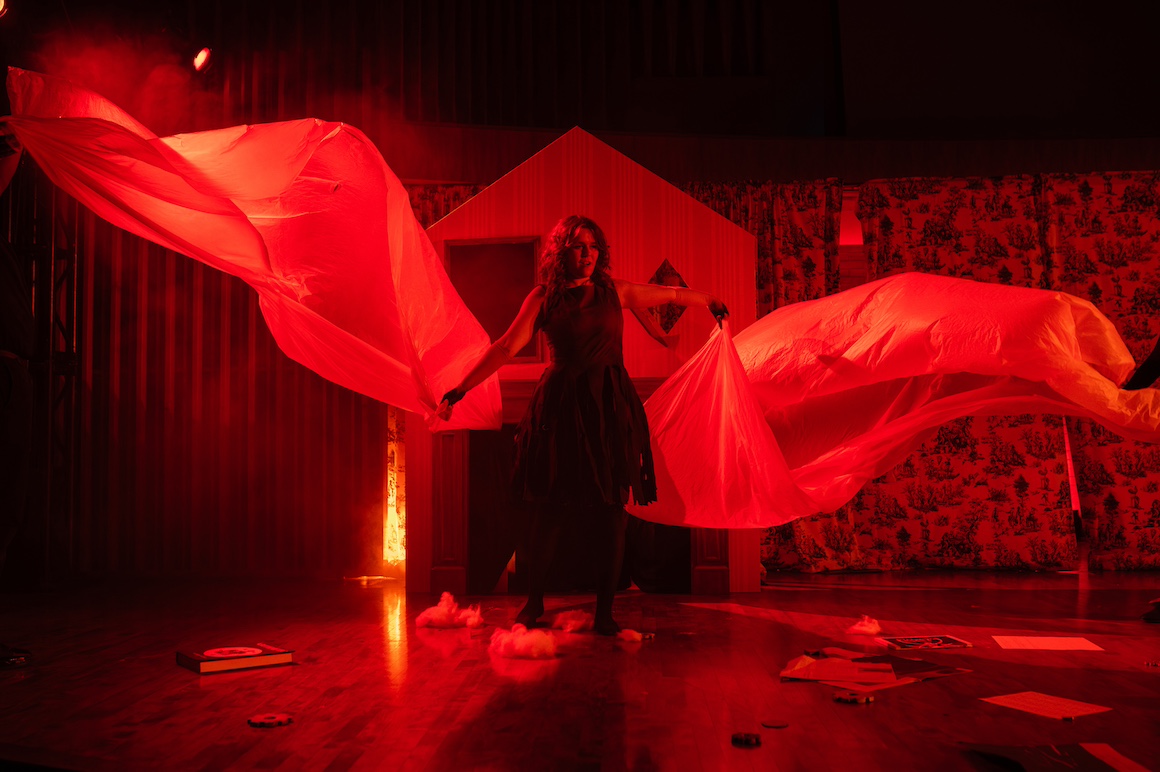
Ellita Gagner is rather good at evoking the obnoxious child at the heart of the story and sings stylishly. Wonnacott has her unlikely cast of furniture, flames and furries making entrances and exits from all directions including the fireplace. There’s some excellent costuming by Andrew Nasturzio and Alessia Urbani and the very large cast each make the most of their cameos. I particularly enjoyed the rather arch pair of chairs and, of course, the cats. Two cats playing with a ball of wool; what’s not to like? It’s lively, tuneful and colourful. The orchestral music; arranged for piano four hands, cello and various flutes, works nicely under the direction of Connor O’Kane. So far so good.
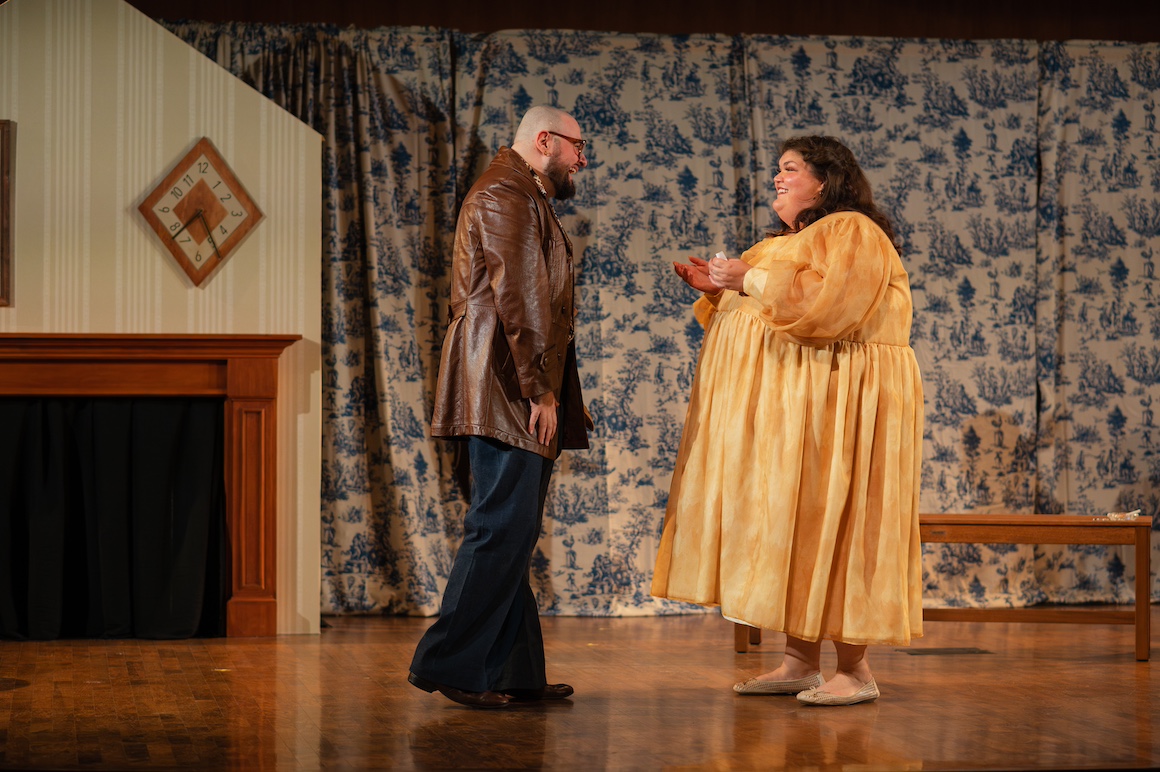
Unfortunately the Debussy is not so successful even though we get a much bigger instrumental ensemble which makes an excellent case for the score. The problem is the libretto. The story is simplicity itself. Azaël (Elias Theocharidis) has been kicked out by his father (Gennady Grebenchuk) when he reveals that he is gay (it’s now 1970s America). His mother (Emma Pennel) is a silent and, now, repentant accomplice. Some years later Azaël returns during his mother’s birthday party to attempt a reconciliation with his parents, which happens with minimal fuss. Cue happy ending with all the party guests and cake.
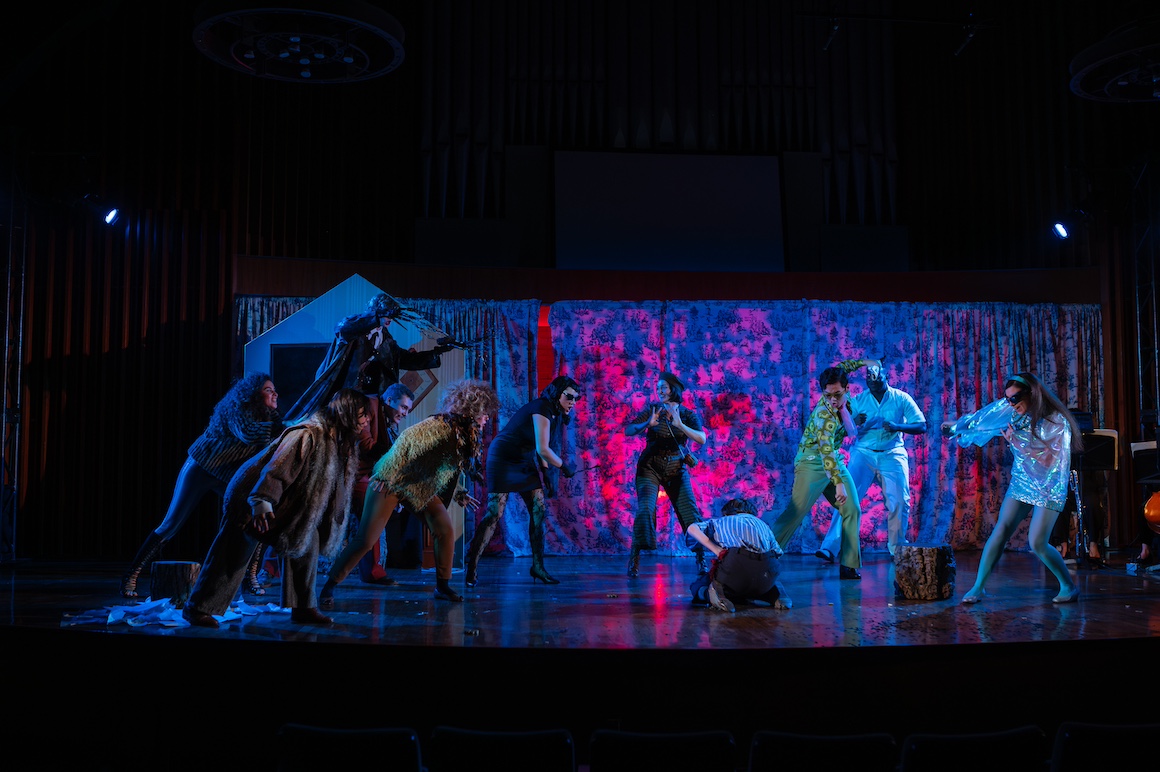
As you can see it only takes a minute to convey the plot but there’s half an hour of Debussy’s music to set words to. I don’t believe the answer is to repeat the same inner emotions over and over in the most prosaic demotic English possible. Opera doesn’t work that way. You don’t convey sadness and guilt by having a character sing “I am sad and sorry” multiple times. You find a metaphor(s) and let the music do its thing. There’s a reason why the Queen of the Night sings “Hell’s vengeance burns in my heart” rather than “I’m pissed off with my daughter”. Admittedly, right at the end Pearson does conjure up a little verbal magic but it’s too little too late. To make matters worse it’s not even easy to sing. I was wincing at the way the words didn’t fit the music and the work the singers were having to do to get around it. As a result, three rather good singers did not show at their best which was a pity. It didn’t help the director either. Essentially nothing much happens so we basically default to “park and bark”. Such a contrast with the liveliness of the Ravel.
I get that people want to make the stories in opera more relevant but that can’t be at the expense of the magic that blends words, music and staging that make opera what it is.
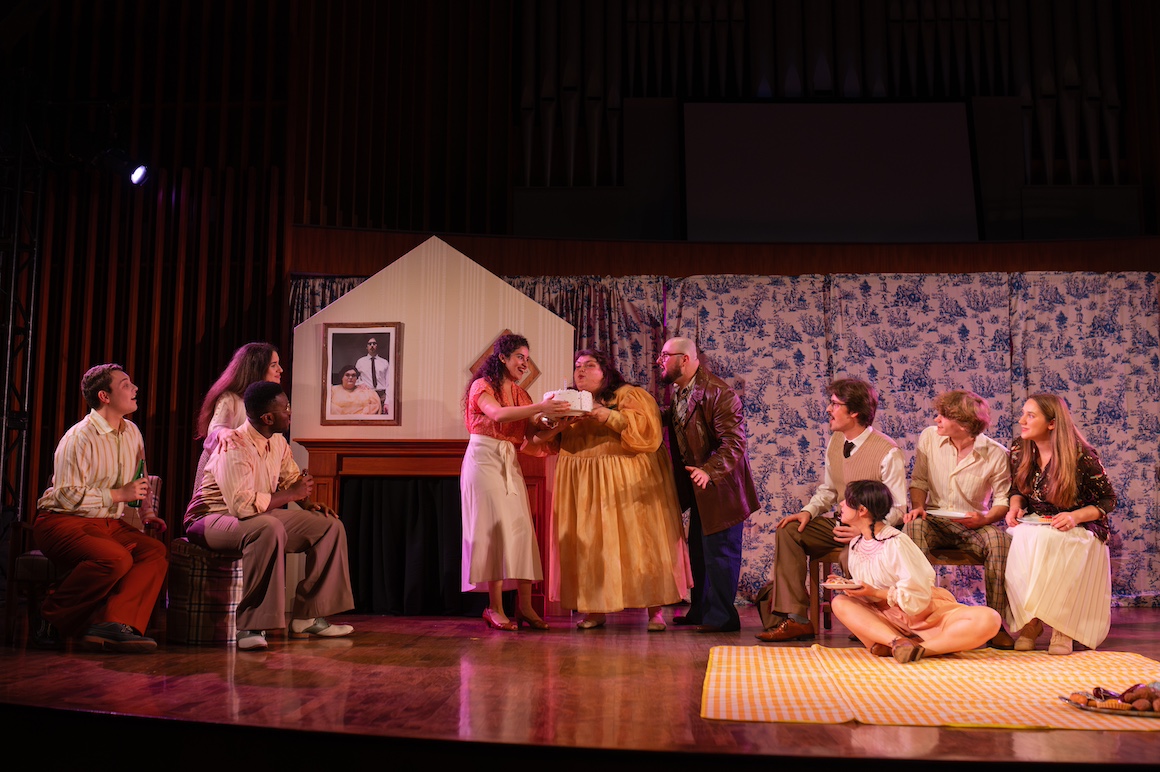
Photo credits: Sam Gaetz
 operaramblings