
Martin Kušej’s production of Mozart’s Le nozze di Figaro at Salzburg in 2023 came 20 years after he had last directed a Mozart opera at Salzburg. My reviews (and follow up pieces) of his productions of Don Giovanni (2002, revived 2006) and La clemenza di Tito (2002) are probably two of the most commented on on this blog. So I’m interested to see where this goes.
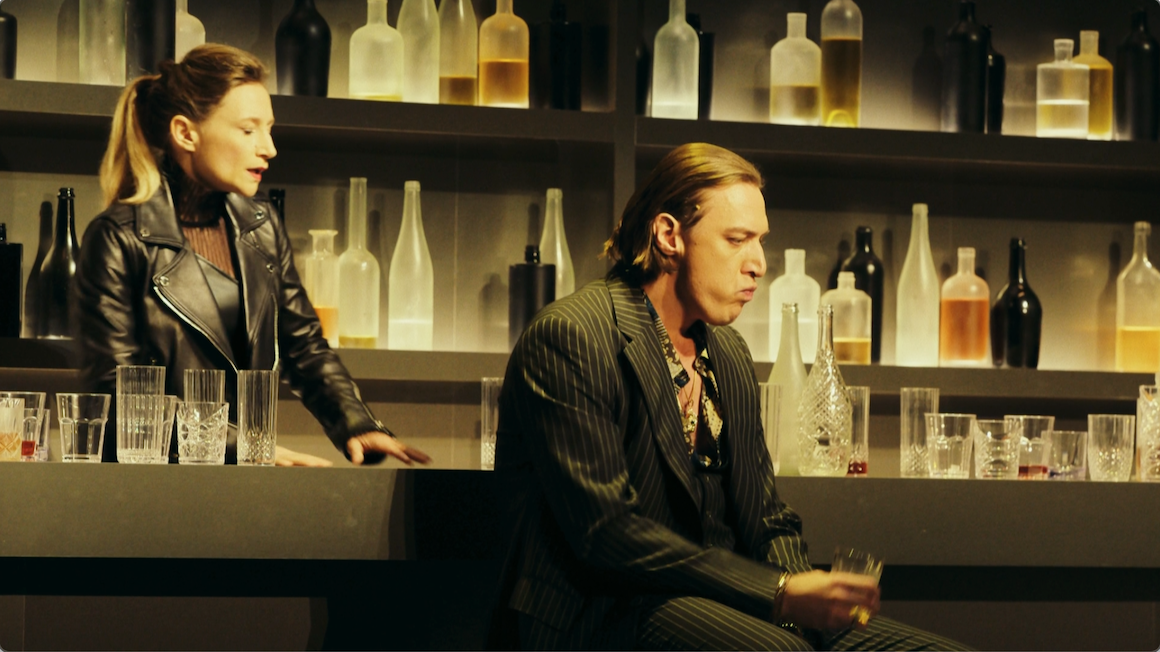
Kušej sets the piece in an hotel in, roughly, the 1970s. Almaviva is the capo of some sort of criminal operation and everyone else works for him one way or another. Psychologically, the concept is that Figaro is the sexual innocent in a hot house sexual atmosphere where everyone, pretty much, is screwing everyone else and Figaro has, rather unfortunately, fallen in love with boss’ current squeeze; Susanna.
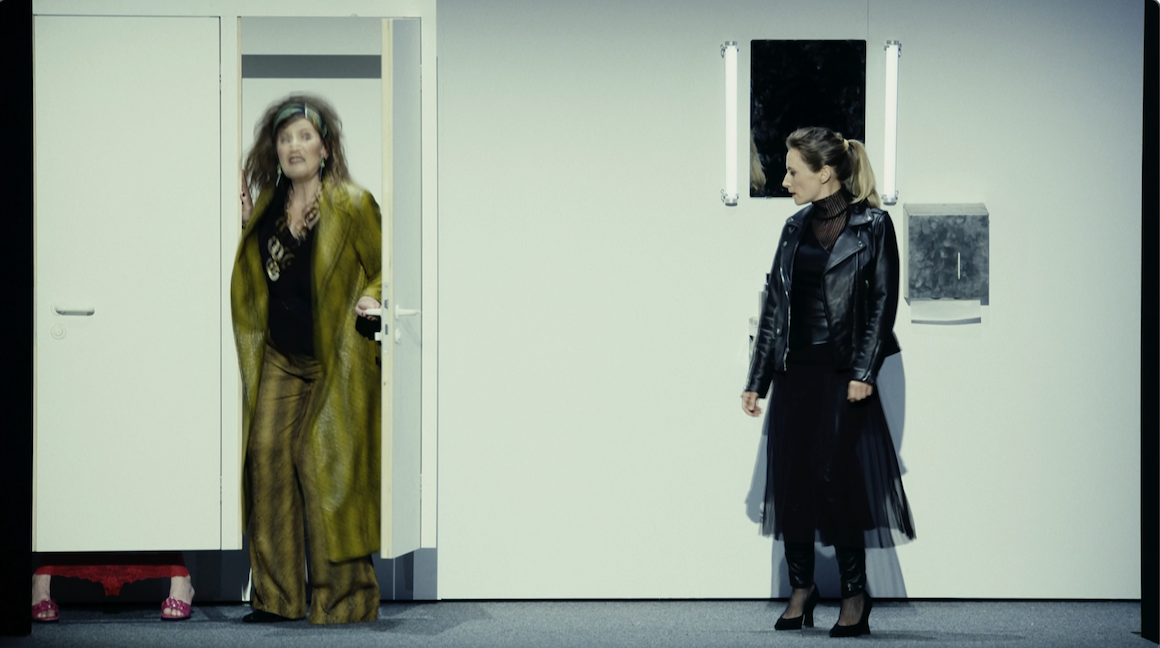
So there are lots of guns, a lot of violence and threats of more, loads of booze, loads of sex and, it being Kušej, lots of underpants. It’s staged in the Haus für Mozart so the stage isn’t vast (by Salzburg standards) but Kušej uses a split stage a lot of the time often to good effect. The first two acts are actually quite straightforward with a few interesting touches. Just to pick a few examples of how Kušej uses the split stage to comment on the action we have, right at the start, Figaro and Susanna in the hotel bar drunk, counting empty glasses while “next door” Almaviva has offed some guy and is taking his papers. During “La vendetta” we see Cherubino and Barbarina, in another room, making out enthusiastically. “Via, resti servita” takes place in the Ladies and Basilio is a priest with a machine carbine in his guitar case.
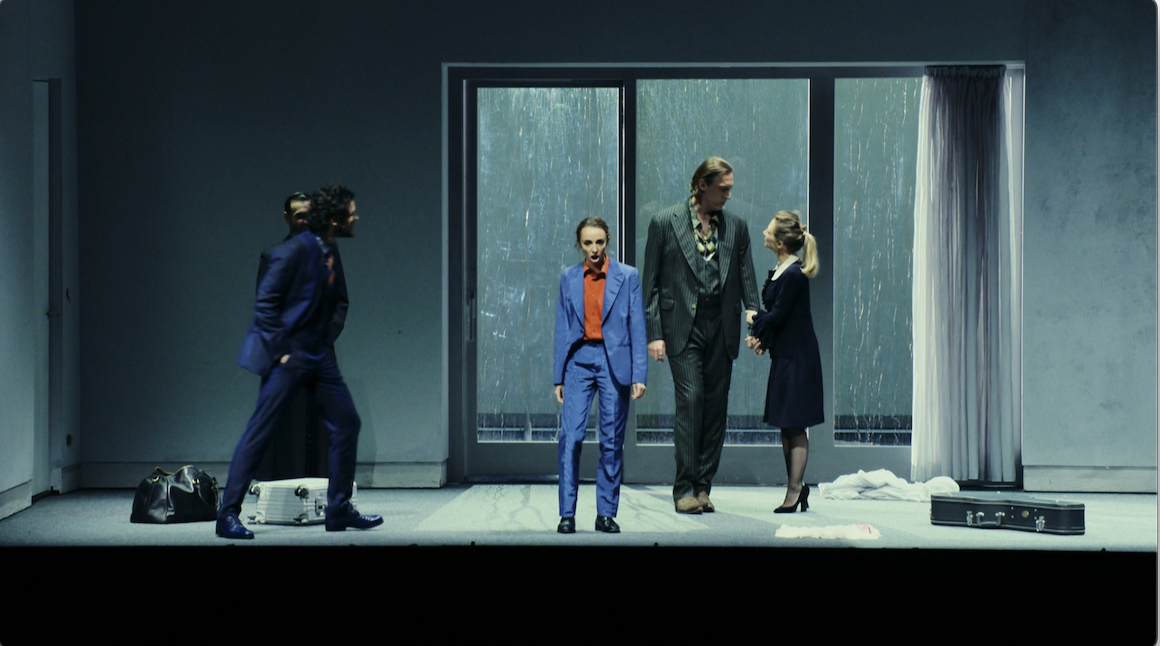
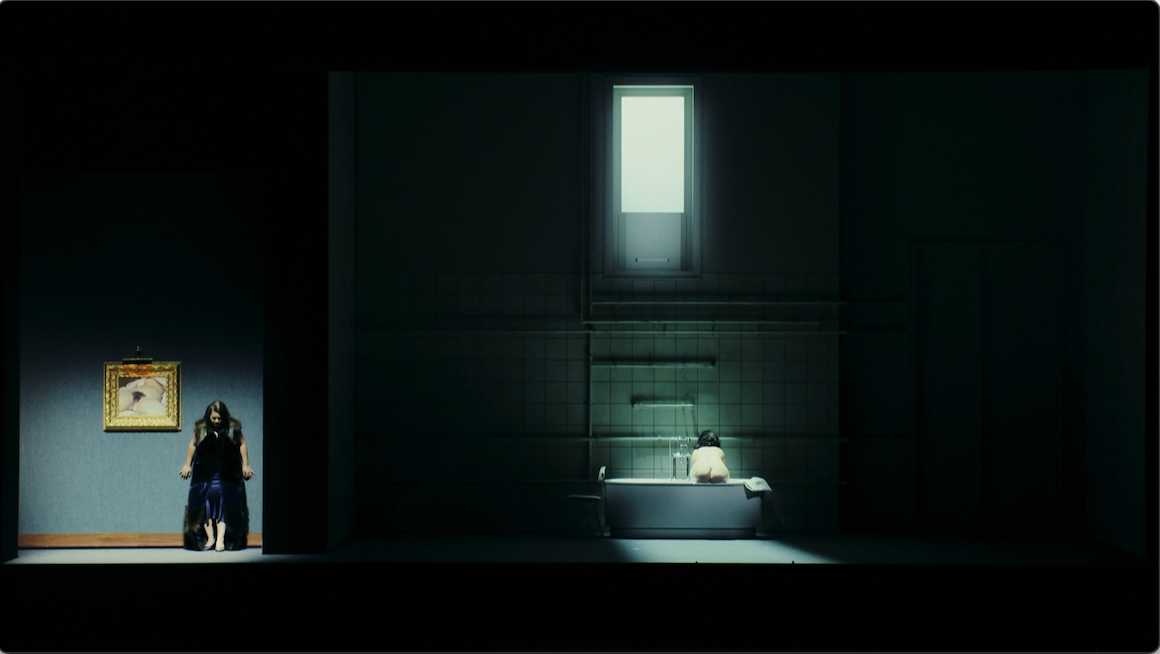
It starts to get a bit edgier in Act 2. Rosina sings “Porgi amor” in front of a painting of a naked woman while her double sits naked on the side of a bath in the bathroom next door. In quite a clever device, Cherubino is sent off to one of Almaviva’s overseas operations but his passport doesn’t have the right visa! In the scene where Susanna is dressing Cherubino it’s pretty clear that he’s pretty familiar with Rosina and Susanna as well as Barbarina (as well probably as Marcellina) and it’s essentially the fact that he’s treading on the alpha male’s tail that has got Almaviva so worked up. The final scene of the act takes place in the garbage room and looks like it’s going to break into a gun fight. Perhaps this is the point to note that subtitles (at least the English ones) are adapted for the production rather thanbeing a strict translation of the libretto. “Il conte” is “Almaviva” or “the boss” for example. I get it but I do find it a bit jarring.
Things get more interesting and more conceptual after the break. The order of the numbers is changed and the split staging gets more pointed. During “Crudel!” Almaviva and Susanna get very friendly while Rosina sits disconsolate in the next room. This continues when Susanna leaves and we see Almaviva in, his underpants, being dressed by a girl (obviously a prostitute) in hers. Then we cut to Rosina alone singing “Dove sono” with great feeling. This is followed by the “Sua Madre” sextet, which is set in the bar where everyone is very drunk (except maybe Susanna). Again, we see just how promiscuous this lot are as Almaviva gets off with Marcellina and Barbarina with Basilio. Rosina, alone in the next room, is left out of the action. Susanna leaves the bar to join her for “Canzonetta sull’aria”. The effect is, very effectively, to show just how alienated from the world of Almaviva and his gang Rosina has become.
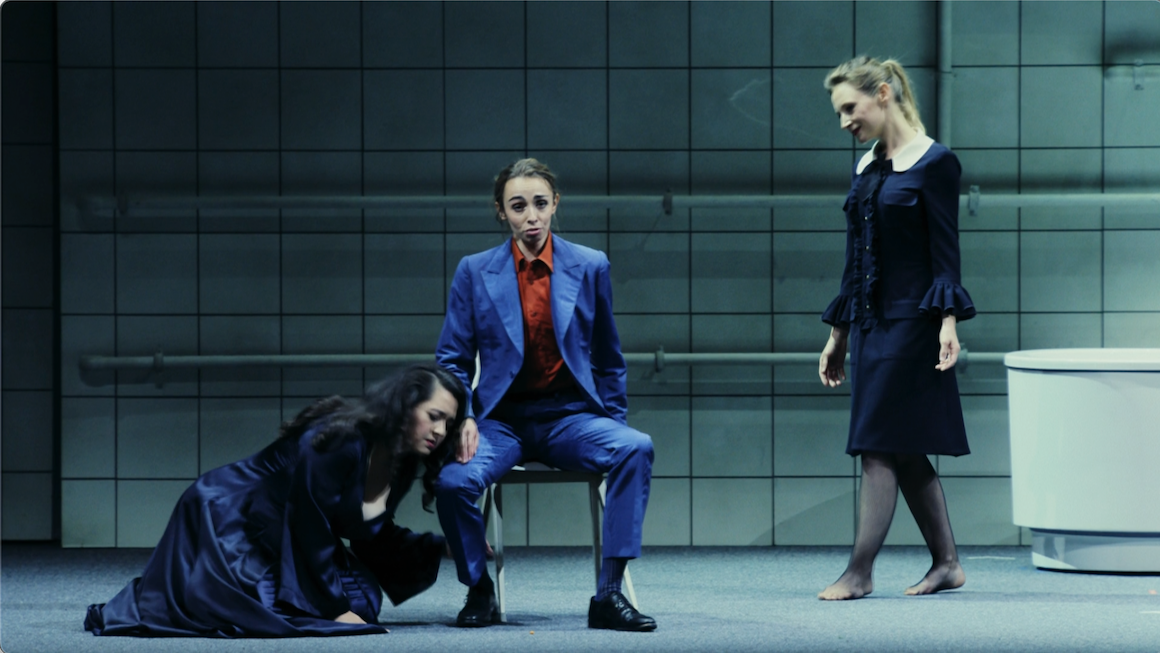
The “village maidens” thing is wonderful. It’s a disco with Walkmen and lots of drinks and drugs. The disco moves could have come out of a Denis Arcand movie. Barbarina is now making out with Cherubino and Curzio shows up with a whole tuna on a trolley which gives everyone an excuse to stuff their faces. This all sounds totally over the top but I think it’s a very clever and ironic treatment of that boring old opera staple that the worth of a woman lies solely in her “purity” and “faithfulness”. There’s nothing “pure” about this lot.
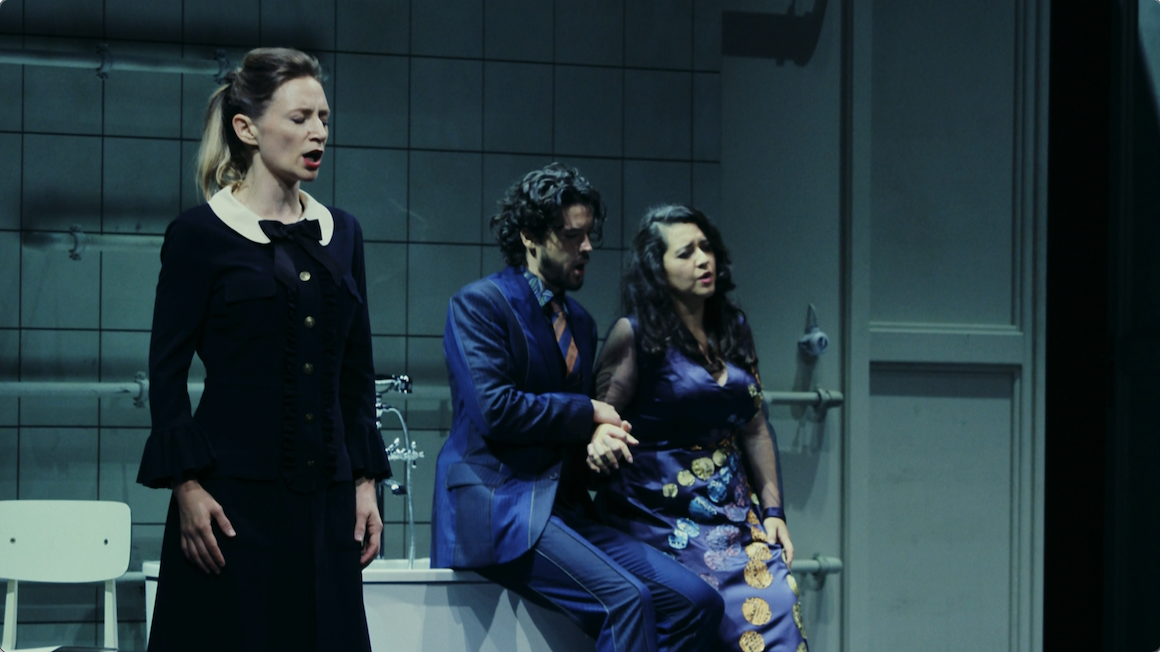
Act 4 is pretty straightforward but very well staged with some clever stage business, excellent lighting and some really good clowning from Susanna and Rosina. At the end Figaro, Susanna (in guise of Rosina), Barbarina, Cherubino and Marcellina are lined up, blindfolded with Almaviva about to perform a gang land execution when Rosina saves the day. It really works very well.
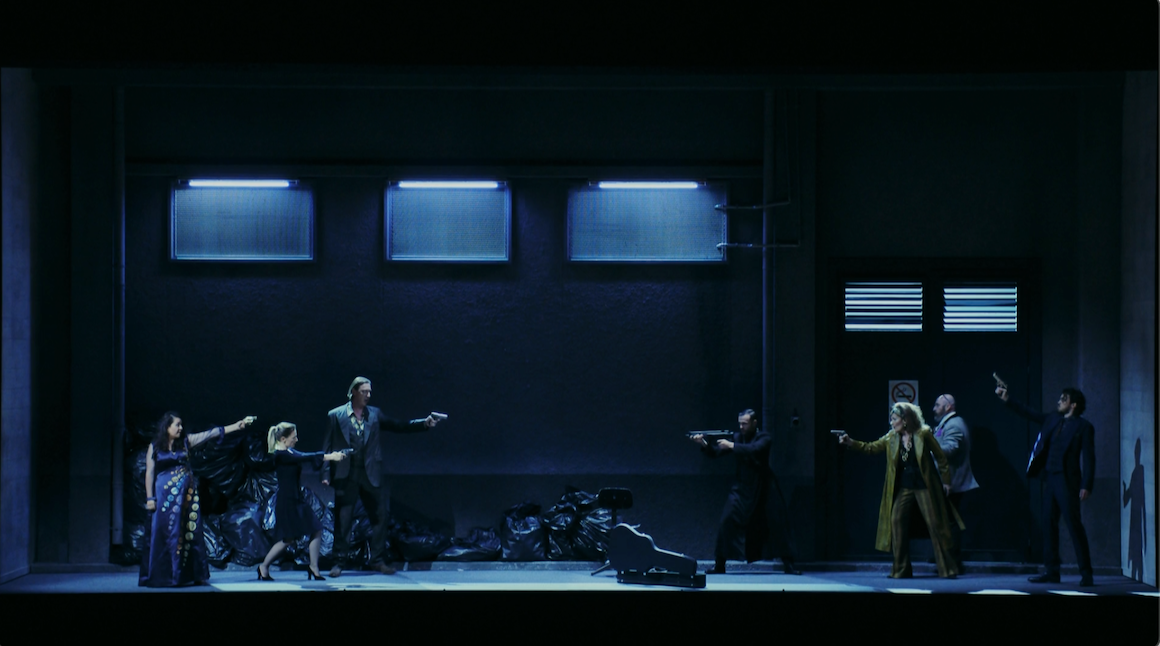
Overall, I think this works as well as a high concept production can. If you want wigs and crinolines it’s not for you but it is thought provoking in a typically Kušej sort of way and it the concept doesn’t fall apart like it did in his Rusalka. If you can buy into the basic ideas it’s consistent beginning to end and it’s realised with excellent acting and careful direction.
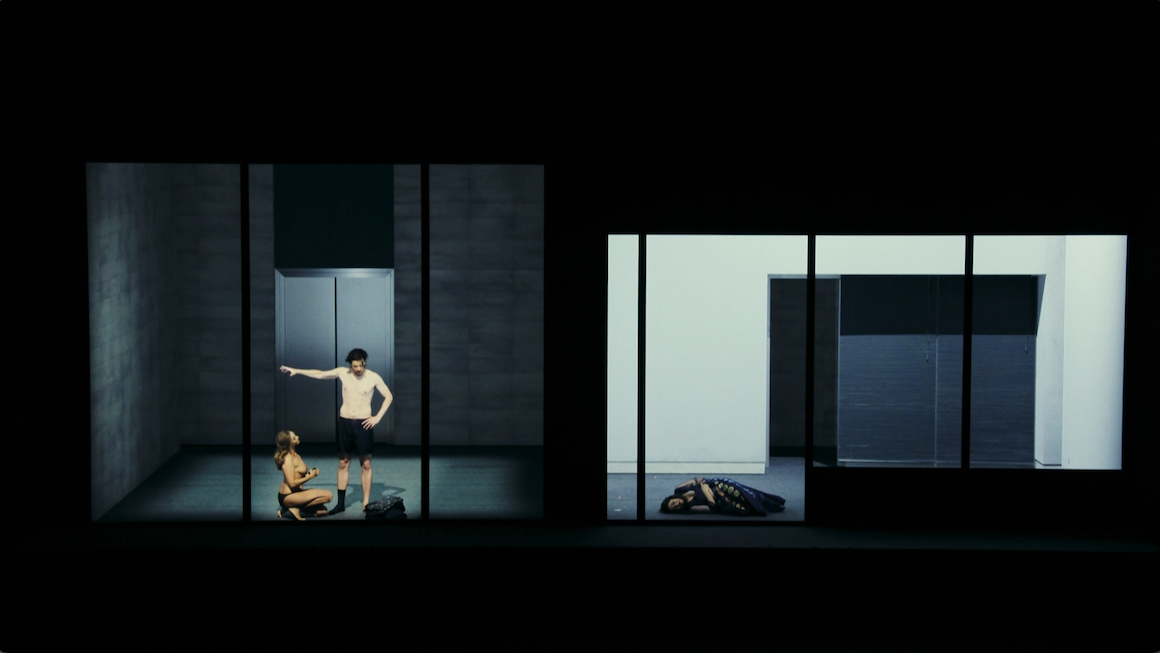
So, how about he music?: It’s really good. It’s a really well matched team of soloists and they work especially well for this production. Krzyzstov Baczyk, singing Figaro, is a true bass and he’s a big, teddy bear like guy. It’s great contrast with Andrè Schuen, who has a sinewy baritone and makes a very dangerous looking and sounding Almaviva. The ladies are nicely contrasted too. Sabine Devieilhe, as Susanna, sings consistently well in a bright but not too light soprano and acts really well, especially when she’s clowning. Her cameo as Rosina in the final scene is hilarious. Andriana González, as Rosina, has a lovely richer voice and her singing oozes pathos. Both of the big arias are sung with fine legato and some tasteful ornamentation (the only place in this review the word “tasteful” will appear).
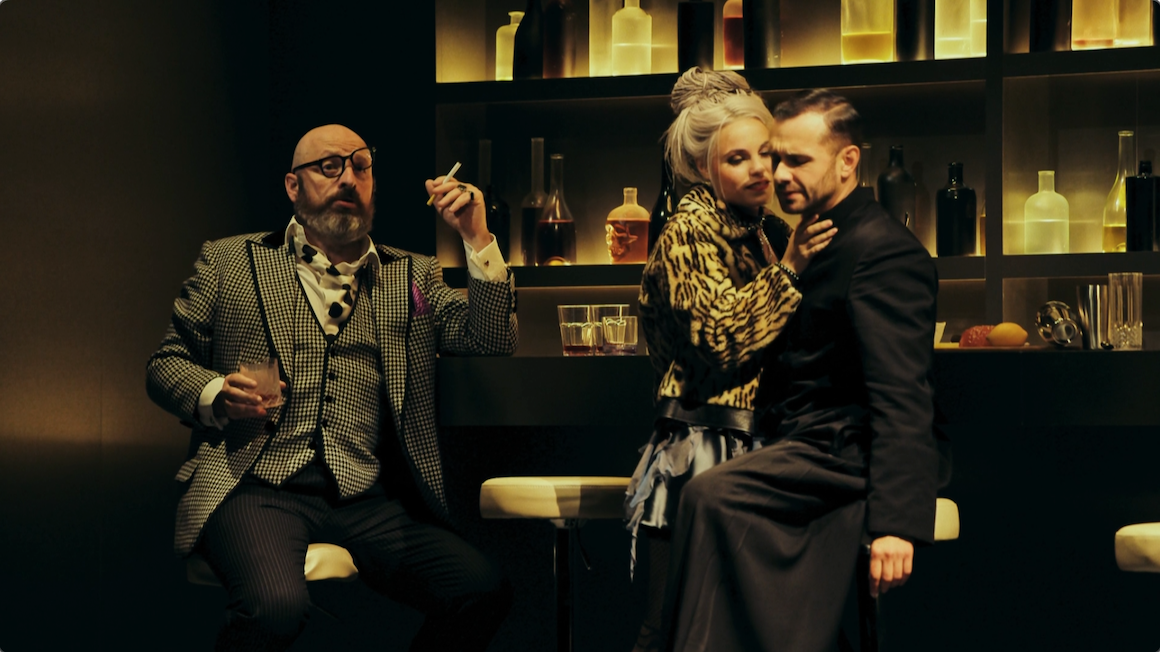
Cherubino and Barbarina seem to loom larger than normal in this production and they are played and sung really well by Lea Desandre and Serafina Starke. Peter Kálmán as Bartolo and Kristina Hammerström are also very fine as an unusually sleazy Bartolo and Marcellina. Rafael Pawnuk (Antonio), Andrew Morstein (Don Curzio) and Manuel Günther (Basilio) round out an extremely fine and well chosen cast.

The chorus is from the Staatsoper and the orchestra is the Vienna Philharmonic so the quality of sound there is predictably good. Raphaël Pichon’s conducting is generally fine and unobtrusive though there are places where he really slows things down for effect. I first noticed it in “Se a caso madama” but there are several instances later on too. It’s an interesting effect.
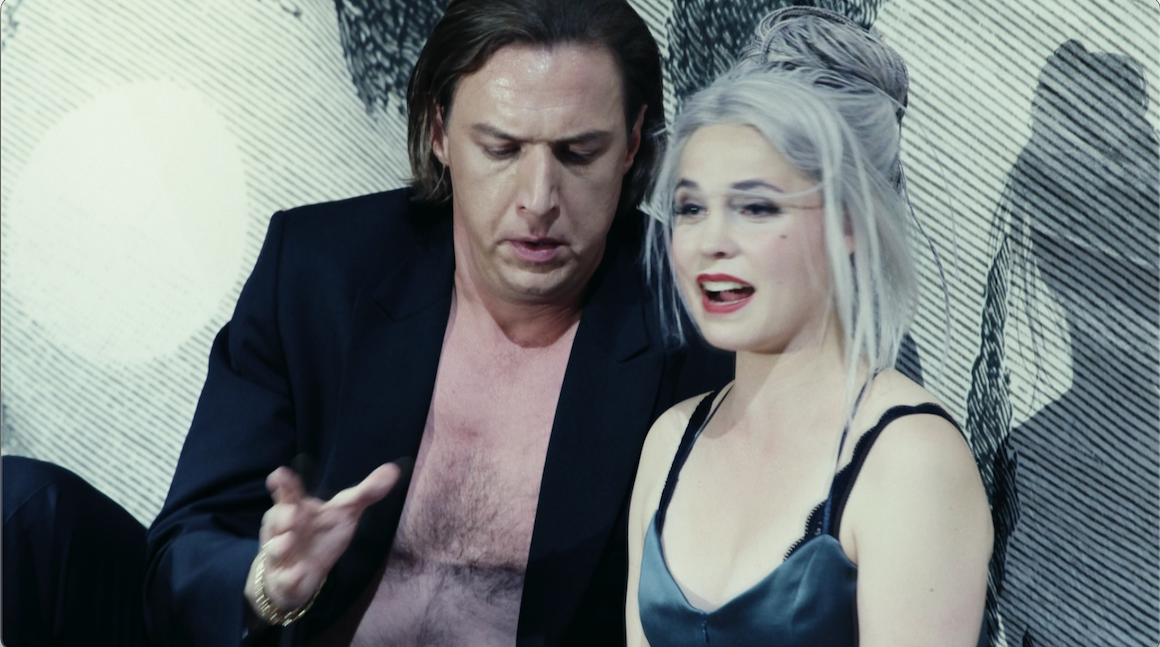
François-René Martin directed for video. This kind of split staging is not easy to film, though it’s easier here than in the Felsenreitschule. He does a decent job. I don’t think we miss anything vital on video. Video and audio on Blu-ray (the usual DTS-HD-MA and PCM stereo) are both fine. The booklet has a track listing and a pretty decent essay. Subtitle options are Italian, English, German, French, Spanish, Korean and Japanese.
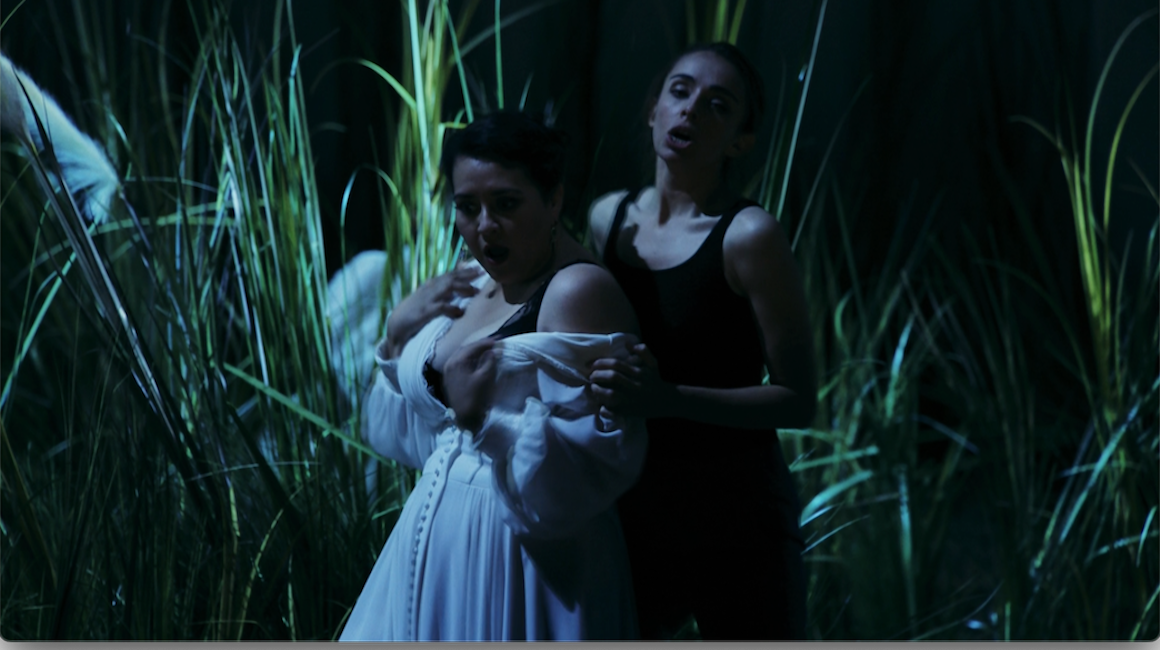
Overall, I think this is as thought provoking as Kušej’s earlier Mozart productions in Salzburg. And as likely to drive the traditionalists to apoplexy. He got a pretty mixed reception at curtain call.

Catalogue information: Unitel Blu-ray 810904
 operaramblings