
The Surrogate by Mohsin Zaidi, directed by Christopher Manousos opened in the intimate Studio Theatre at Crow’s last night in a production by Here For Now Theatre. It’s an impassioned piece about the ethics of surrogacy. So let’s look at surrogacy and what Zaidi is trying to say about it. It’s the practice of a couple, usually wealthy, usually male, usually gay contracting with a woman, usually poor, usually vulnerable, often immigrant, to carry a baby that is not biologically hers to term. Surrogacy is legal in forty plus US states but illegal in Canada and, crucial to the play, Louisiana.

According to Zaidi’s programme notes, “…surrogacy is uncritically framed as part of the long march of gay rights to freedom… I ask whether it should be, and invite the audience to join in the debate.”. The Surrogate challenges the “gay rights” narrative. So how does Zaidi reframe the debate? Mainly by throwing in a whole series of dialogues about what family is; intergenerational religious issues; parental expectations; prejudice about homosexuality; but surprisingly little about the ethics of the powerful and privileged using the vulnerable to meet their, essentially selfish ends. It makes for a very busy play in which incident after incident is piled relentlessly into 95 minutes.
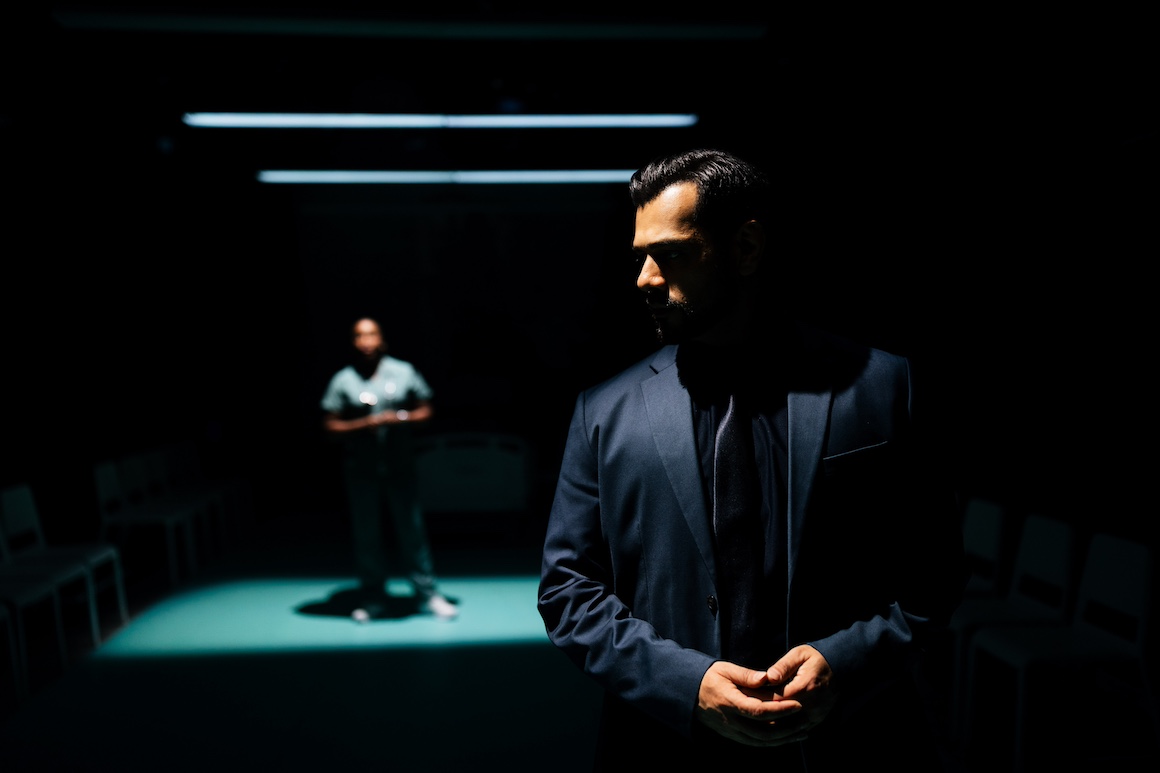
In the play the purchasers are a New York gay couple; Sameer, a wealthy lawyer of Muslim background, who is extremely aggressive, narcissistic and has a fraught relationship with his mother, and Jake, his younger, less obnoxious but a bit “let’s all hold hands and sing Kumbaya”, writer husband. The surrogate mother is Marya a Muslim immigrant from Houston who has just lost her husband to cancer and has massive medical debt. She is experiencing severe problems with the pregnancy and is hospitalised in Louisiana. Why she’s in Louisiana isn’t clear. Enter Nurse Christina Bedford who carries a whole lot of baggage; religiously based ideas of Family, failed IVF treatment and a deep mistrust of the whole surrogacy thing which she clearly sees as about rich men exploiting poor women. Packing all this narrative in is pretty impressive but a bit relentless.
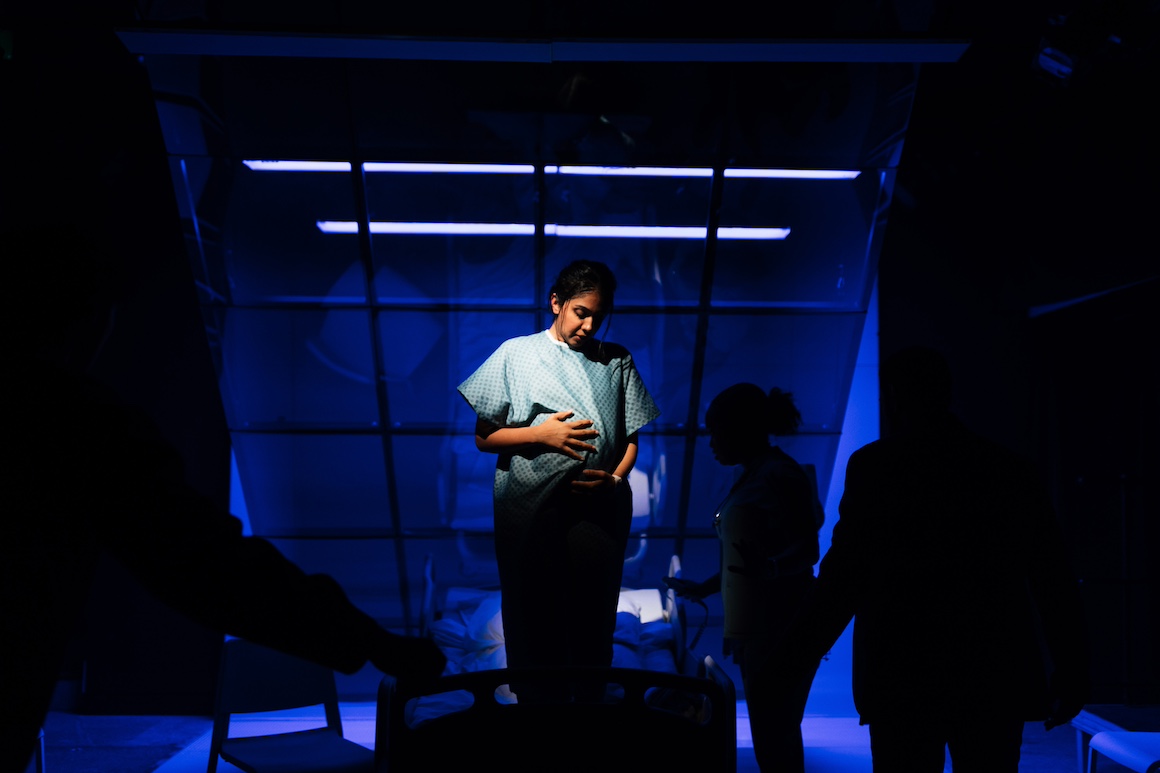
Marya has doubts about giving up the child. Sameer reacts aggressively and litigiously to this. He also constantly rows with, belittles and bullies Jake revealing himself to be an asshole and and pretty much a fake Muslim. That last is important because part of Marya’s rationalization of what she’s doing is that at least the child will be brought up Muslim. Nurse Bedford spars repeatedly with Sameer pointing out that he has no legal standing in Louisiana where surrogacy is illegal and his contract void.
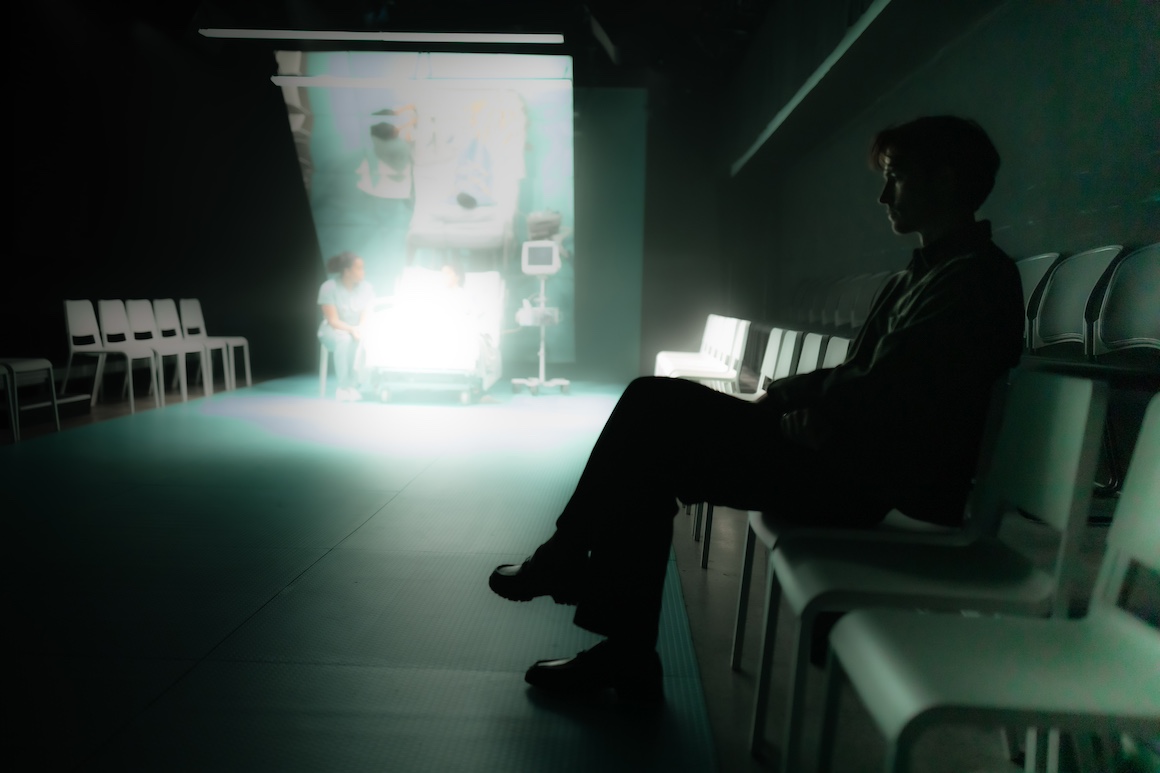
Matters come to a head when Marya’s health deteriorates. The baby must be delivered prematurely or Marya could suffer further seizures. Her son, Qasim, arrives. He wants the hospital to operate but Sameer’s lawyer threatens a law suit. The hospital’s legal team caves (of course they do). Then she has another seizure and the C-section can’t be postponed. The baby is born severely brain damaged. Does Sameer have a “Road to Damascus” moment in the last thirty seconds before the lights go out? I don’t think we know. And maybe by now we don’t really care. There’s so much plot! It really feels like a dressed up version of a law school moot debating the pros and cons of legalising surrogacy.
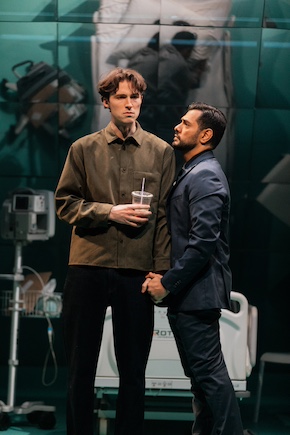 All that said the production is rather well done. It’s crisp and pacy and sometimes quite funny. Fuad Ahmed is entirely convincing as Sameer and Thom Nyhuus is quite sympathetic as Jake. Serena Parmar does a great job of getting across the ambivalence of Marya’s feelings; especially as they pertain to religion. Antonette Rudder gets a lot of mileage out of Nurse Bedford although I still got the sense that, as written, she is really several characters smushed together. Siddharth Sharma makes the most of the fairly brief role of Qasim. It’s staged with a hospital bed at one end and the audience around the other three sides of the theatre which works to bring us close to the action. Lighting and Sound Design effectively support the various transitions and the action is continuous. Technically it’s accomplished.
But ultimately the question must be whether Zaidi achieves his goal as stated in the programme note. I would say only partially as by making the representative of one side of the argument; Sameer, such an unsympathetic character, it feels that he is telling us what to think. Add to that the sheer volume of material thrown into one short play and it begins to feel more like a lecture than a drama.
The Surrogate continues at Crow’s Theatre until March 29th.
Photo credit: Kendra Epik Photography.
 operaramblings